
The signs roof needs replacing are not always dramatic. A ceiling stain, a few loose shingles, or a small attic drip can look like isolated maintenance problems when they are actually symptoms of an aging roof system. Older homes usually give warning signs before they give you a bill, so learning what matters first can help you avoid emergency water damage and rushed contractor decisions.
A roof does more than shed rain. Shingles, flashing, underlayment, ventilation, gutters, decking, and the roof structure all work together. If one part fails, water can reach insulation, rafters, wall cavities, and plaster. The right question is not simply whether a roof looks old. It is whether the remaining system can protect the house reliably and economically.
Start with the roof’s age and maintenance history
Most asphalt shingle roofs last roughly 15 to 30 years, depending on shingle quality, installation, ventilation, weather, and maintenance. A roof installed around 2005 is not automatically due for replacement, but it deserves a careful inspection if its history is unknown. Architectural shingles often last longer than basic three-tab shingles, while repeated storm exposure can shorten either type’s useful life.
Look for invoices, permit records, inspection reports, and paperwork from the previous owner. If nobody knows when the roof was installed, its visible condition becomes more important. Granules in gutters, brittle shingles, widespread discoloration, and exposed fasteners tell a more useful story than age alone.
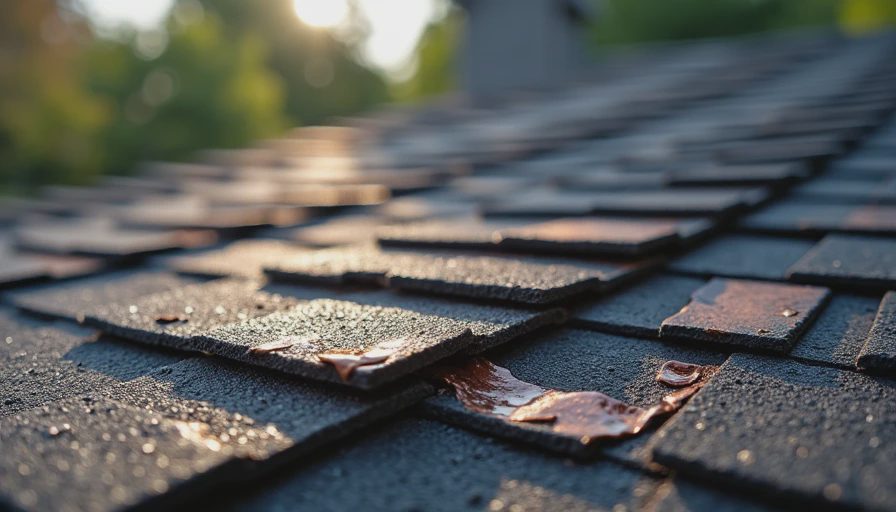
One of the most important signs roof needs replacing is a pattern of deterioration across several slopes rather than one damaged area. A single missing shingle after a windstorm may be a straightforward repair. Curling, cracking, and bald patches across the roof suggest the material is nearing the end of its service life.
The visible signs that deserve attention
Walk around the house from the ground with binoculars, but do not climb onto a steep or wet roof. Watch for shingles that curl at the edges, lift in the middle, crack across the surface, or appear darker because moisture is trapped underneath. Shingles that have lost much of their protective granules may look smooth or patchy. Granules commonly collect in downspouts, especially after heavy rain.
Check the roofline for sagging. A shallow dip can indicate damaged decking, trapped moisture, inadequate framing, or a structural problem. Sagging is more urgent than ordinary cosmetic wear because the roof may not be carrying loads correctly. A trustworthy local contractor should explain whether the issue is limited to sheathing or connected to rafters and other framing.
Flashing around chimneys, dormers, skylights, valleys, and vent pipes is another trouble spot. Rusted metal, cracked sealant, lifted edges, and loose counterflashing can allow water into an older house. Sometimes replacing flashing solves the leak. If the surrounding shingles are also failing, a patch may only delay a larger project.
Interior warning signs homeowners often miss
The attic can reveal problems before the living space does. On a dry day, inspect the underside of the roof deck with a flashlight. Look for dark stains, water tracks, rusty nails, damp insulation, peeling wood, or daylight visible through gaps. A musty smell can point to recurring moisture even when no active leak is present.
Inside the house, inspect ceilings and upper walls after heavy rain. Yellow or brown rings, bubbling paint, soft drywall, peeling wallpaper, and cracked plaster near the roofline deserve attention. Do not assume every stain comes from the roof; plumbing, chimney leaks, and condensation can create similar marks. Finding the source matters because covering the visible damage without fixing the cause invites mold and repeated repairs.
One subtle sign roof needs replacing is a leak that appears in several rooms or returns after every major storm. Water can travel along rafters and framing, so the stain may sit far from the entry point. Photograph the area, note when it appears, and show those details to the inspector.
Repair or replacement: how to make the call
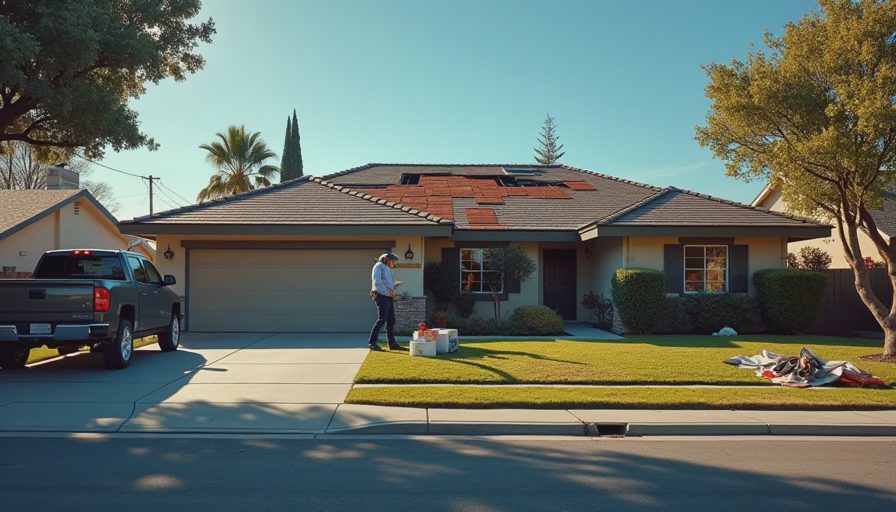
Replacement is not always the correct answer. A roof with one storm-damaged section, sound shingles, and intact flashing may need a targeted repair. Repair can also make sense when a newer roof has a localized vent, chimney, or gutter problem. Ask the contractor to identify the failure in writing and show photographs from the roof or attic.
Replacement becomes more practical when damage is widespread, the roof is near the end of its expected life, or repairs keep recurring. Multiple leak locations can indicate that the underlayment, flashing network, or decking is deteriorating. If a contractor proposes adding a second layer of shingles over a failing roof, ask how the existing problems will be inspected and addressed. Overlay work can reduce immediate cost, but it can also hide damaged decking and complicate future repairs.
A replacement estimate should separate shingles, underlayment, ice and water protection where appropriate, flashing, ventilation, decking allowances, drip edge, disposal, permits, and labor. For many U.S. homes, a roof replacement can range from several thousand dollars to well above $15,000, with size, pitch, access, materials, and regional labor driving the total. A surprisingly low quote may exclude essential components.
How to hire a roofing contractor without guesswork
Collect at least three detailed estimates, but compare scope rather than just the final price. Ask whether the company is licensed or registered where required, carries liability insurance and workers’ compensation coverage, and provides a written workmanship warranty. Manufacturer warranties cover specific materials and conditions; they are not the same as a contractor’s labor warranty.
Ask each roofer these practical questions:
- Where exactly is water entering, and what evidence supports that conclusion?
- How much decking is included, and what is the charge for replacement beyond the allowance?
- Will old flashing be reused, repaired, or replaced?
- How will attic ventilation be handled without creating new moisture problems?
- Who pulls permits, protects landscaping, and removes the old roofing?
- What payment schedule applies, and when is the final balance due?
Be cautious about anyone demanding the entire payment upfront, refusing to provide a written scope, or pressuring you to sign immediately after a storm. A legitimate contractor can explain the work in plain language and give you time to compare options.
A sensible next step for an aging roof
If you notice several signs roof needs replacing, begin with documentation rather than panic. Photograph exterior slopes, flashing, gutters, attic stains, and interior damage. Check whether the problem worsens after rain. Then arrange an inspection with a roofer who evaluates the whole system, not just the most obvious shingle.
Know what matters first: active water entry, sagging, unsafe electrical conditions near leaks, and damage to structural wood deserve prompt attention. Cosmetic discoloration can wait for a careful assessment. Fix the real problem, not just the visible one, and you will have a better chance of protecting the old house while spending money where it does the most good.