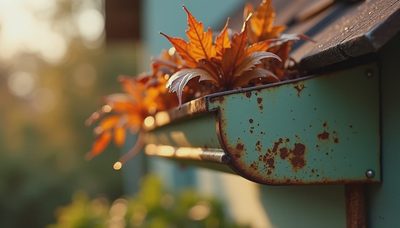
If you own an older house, you have probably wondered, how long do gutters last before they become a liability? The answer depends on the gutter material, installation quality, roof exposure, local weather, and how consistently the system is cleaned. Aluminum gutters often serve for 20 to 30 years, while copper can last 50 years or more. Vinyl typically has the shortest useful life, often around 10 to 20 years.
Age is only part of the story. A 15-year-old aluminum gutter that drains cleanly and stays firmly attached may be in better shape than a five-year-old system with loose fasteners, poor slope, and overflowing corners. Older homes usually give warning signs before they give you a bill, so the goal is to recognize those signs early and fix the real problem, not just the visible stain.
Gutter Lifespan by Material
When homeowners ask how long do gutters last, material is usually the first factor to examine. Vinyl gutters are inexpensive and resistant to rust, but they can become brittle from repeated freezing, strong sunlight, and temperature swings. Cracks at joints or along long runs are common as the system ages. Vinyl may be practical for a small repair or low-cost outbuilding, but it is rarely the best long-term choice for a historic or heavily exposed house.
Aluminum is the most common residential option because it is relatively affordable, lightweight, and available in many colors. Seamless aluminum gutters commonly last 20 to 30 years when installed correctly. Steel gutters can be stronger, but unprotected steel eventually rusts, especially where water sits or protective coatings have been damaged.
Copper gutters cost substantially more, sometimes several times the price of aluminum, but they can last 50 years or longer. They develop a natural patina and are often selected for older homes where appearance and long-term durability matter. The material is not automatically a solution, however. Copper still needs proper slope, secure hangers, and correctly designed downspouts.

Warning Signs Your Gutters Are Failing
The most obvious warning sign is water spilling over the edge during ordinary rain. Overflow can mean clogged gutters, but it can also point to undersized downspouts, an incorrect pitch, or water arriving too quickly from a steep roof section. Cleaning the gutter is a sensible first step, but do not assume it solved the whole issue if overflow returns.
Look closely at the fascia board behind the gutter. Dark staining, soft wood, peeling paint, or visible rot suggests that water has been getting where it should not. A gutter pulling away from the roofline can expose the fascia to repeated wetting and may eventually require carpentry, not just new brackets. Sagging runs, separated seams, rust holes, and cracked end caps are also signs that the system is nearing replacement.
Inside the home, basement dampness can be part of the same chain of failure. A short downspout extension may dump roof water beside the foundation, where it can collect against old masonry. Efflorescence, musty smells, or damp soil near the basement wall deserve attention even if the gutters look acceptable from the street.
Repair or Replace the Gutter System?
A repair makes sense when the problem is limited and the surrounding components remain sound. A contractor may be able to replace a damaged outlet, reseal a small joint, add a downspout extension, or install stronger hidden hangers for roughly $150 to $600, depending on access and the number of defects. Cleaning alone may cost less, but it will not correct a gutter that has lost its slope or is full of rust holes.
Replacement becomes more sensible when failures appear across several sections. If multiple seams leak, long runs sag, the fascia is deteriorated, and downspouts are too small, piecemeal repairs can become an expensive way to postpone the same decision. A typical single-story replacement may cost roughly $1,000 to $3,000, while larger or more complicated homes can run higher because of height, roof design, material, and trim repairs.
Do not choose a new color or material before confirming where the water will go. The best-looking gutter system still fails if downspouts discharge against the foundation or if the roof sends more water into a narrow section than it can carry.

How Gutters Protect an Older House
Gutters are not merely roof trim. They are part of the home's drainage system, and that system protects siding, window openings, porches, crawl spaces, and foundations. On an older house, masonry mortar and wood trim may already have decades of weather exposure behind them. Repeated runoff can accelerate deterioration even when a leak is too small to notice indoors.
A trustworthy local contractor should inspect the entire path from roof edge to final discharge. That includes drip edge, fascia, gutter slope, elbows, downspouts, splash blocks, underground drains, and the soil next to the foundation. Water should move away from the structure rather than collect in a low spot beside it. In some cases, adding a larger downspout or extending a discharge point 6 to 10 feet away can solve a problem without replacing every gutter.
What to Ask Before Hiring a Contractor
Ask for a written inspection that separates gutter work from related repairs. The estimate should identify the material, gutter size, number of downspouts, hanger spacing, disposal, fascia replacement, and any drainage extensions. This makes it easier to compare a $1,500 repair proposal with a $3,500 replacement proposal without guessing what each includes.
Ask whether the contractor recommends a 5-inch or 6-inch gutter and why. Many homes use 5-inch gutters, but larger roof areas, steep slopes, and intense rainfall can justify 6-inch gutters with larger downspouts. The answer should be based on the roof area and water flow, not simply on the product the crew normally installs.
Also ask how the crew will protect the roof edge and siding during installation. A contractor who cannot explain the fastening method, slope, and discharge plan clearly is not giving you enough information to make a sound decision. Know what matters first: stopping water damage is more important than adding decorative upgrades.
A Practical Maintenance Plan
Clean gutters at least twice a year, usually in late spring and after most leaves have fallen. Homes beneath pine trees or mature deciduous trees may need more frequent attention. During cleaning, check for loose hangers, standing water, separated seams, and blocked downspout outlets. Run a hose through each downspout and watch where the water exits.
After a major storm, inspect the roofline from the ground for sagging, new dents, or a downspout that has shifted. Do not climb an unstable ladder to reach a steep or tall roof; a professional inspection is cheaper than a fall. If you are still asking how long do gutters last, use condition rather than age as the deciding factor, while remembering that an aging system deserves closer inspection.
The smartest gutter decision protects the whole house. Repair a localized defect when the system is fundamentally sound, but replace an undersized or failing network before water damages fascia, siding, or foundation soil. A clear inspection and a detailed estimate will help you spend money on the real problem instead of repeatedly treating the symptoms.