When water appears on a ceiling, the first question is usually roof repair vs replacement. That decision is not always obvious, especially in an older house where a small stain can involve worn shingles, failed flashing, poor attic ventilation, or damage hidden beneath the roof covering. The right answer depends on the location, age, condition, and history of the roof—not simply on how bad one leak looks.
Start with the actual source of the problem
A ceiling stain does not identify the entry point. Water can travel along rafters, roof decking, insulation, or framing before it finally drips into a room. The visible spot might sit several feet away from the damaged shingle or flashing.
Begin inside the attic if it is safe to do so. Look for darkened wood, damp insulation, rusty nails, water tracks, or daylight around roof penetrations. Outside, inspect valleys, chimneys, skylights, plumbing vents, wall intersections, and areas where two roof slopes meet. These details often explain recurring leaks better than the field of shingles does.
A single damaged shingle, exposed nail, or small flashing gap is commonly repairable. A trustworthy local contractor should be able to show you the defect, explain how water enters, and describe the repair materials. Be cautious when someone recommends replacing the entire roof without examining the attic, roof edges, flashing, and decking.
Older homes usually give warning signs before they give you a bill. A repair can be the sensible choice when the damage is localized and the surrounding materials still have useful life.
When roof repair is usually the better choice
Roof repair often makes sense when the roof is relatively young, the shingles are generally flat, and the problem has a clear boundary. Common repairable issues include a missing shingle, a damaged boot around a plumbing vent, loose step flashing, a small area of wind damage, or a limited leak near a chimney.
Repair costs vary widely, but many small jobs fall roughly between $250 and $1,000. Replacing a few shingles may cost less, while chimney flashing, complicated access, steep slopes, or damaged decking can push the price higher. A contractor may need to remove shingles, replace rotten sheathing, install new flashing, and rebuild the affected area rather than simply covering the symptom.
Matching materials matters on an older roof. New architectural shingles can look noticeably different from weathered three-tab shingles, slate, wood shakes, or historic metal panels. A good repair should control water while respecting the existing roof system. Ask whether the replacement material will match, whether the repair includes underlayment and flashing, and what happens if additional damage is found after removal.
Do not confuse a cheap patch with a complete repair. Roofing cement smeared over a failing joint may last briefly but does not correct movement, rot, or poor drainage. Fix the real problem, not just the visible stain.
Signs replacement deserves serious consideration
Replacement becomes more likely when problems are widespread, the roof is near the end of its expected service life, or repairs keep returning. Asphalt shingles often last about 15 to 30 years depending on material, installation, climate, ventilation, and maintenance. A roof can fail sooner in areas with heavy sun, hail, ice, wind, or repeated freeze-thaw cycles.
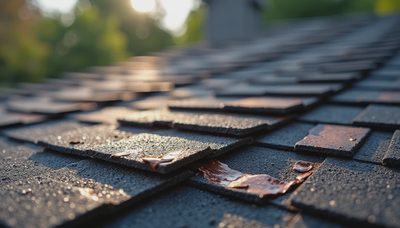
Look for curling or buckling shingles, widespread granule loss, brittle edges, bald patches, sagging roof lines, recurring leaks in multiple rooms, and extensive moss or algae that has lifted shingle edges. Dark streaks alone do not prove a roof has failed, but loose or deteriorated shingles require closer inspection. Soft decking underfoot is a more serious warning because it can indicate moisture damage beneath the covering.
Roof repair vs replacement becomes a cost question when the contractor is already opening several sections. If repairs are needed across multiple slopes and the roof has limited life remaining, spending $2,000 or $4,000 on scattered work may delay a replacement rather than prevent it. A full asphalt roof replacement often ranges from roughly $8,000 to $20,000 or more for an average U.S. home, with size, pitch, access, region, tear-off layers, and material selection driving the total.
A replacement should also address ventilation, drip edge, underlayment, flashing, and the condition of the decking. Installing new shingles over unresolved moisture problems is not a durable solution.

How to compare estimates without getting fooled
Get at least two or three written evaluations, especially when the recommendations differ. Each estimate should identify the roof area, material, number of layers to remove, underlayment, flashing work, ventilation changes, cleanup, permits, and warranty terms. “New roof” is not enough detail to compare prices.
Ask contractors these practical questions:
- Where exactly is the water entering, and what evidence supports that conclusion?
- How much decking replacement is included, and what is the price per additional sheet?
- Will existing flashing be reused, repaired, or replaced?
- How will gutters, siding, skylights, and chimney edges be protected?
- Who pulls permits and handles disposal of the old materials?
- What workmanship warranty applies, and who returns if a leak comes back?
Be wary of a contractor who pressures you to sign immediately, asks for a large cash deposit, or refuses to provide insurance and licensing information where required. Brand names such as GAF, CertainTeed, and Owens Corning can help you compare shingle systems, but the installer’s preparation and workmanship matter just as much as the label.
A practical decision process for an old house
Use the roof repair vs replacement decision in this order: first, control active water before interior damage spreads. Place a container under a drip and move valuables, but do not climb onto a wet roof. Second, document stains, attic damage, exterior defects, and previous repairs with dated photos. Third, determine whether the issue is isolated or distributed across the roof.
Next, compare the cost of the proposed repair with the roof’s remaining service life. A $700 flashing repair can be excellent value on a 10-year-old roof with healthy shingles. The same repair may be poor value on a 25-year-old roof with curling edges, exposed underlayment, and several other leaks.
Also consider timing. If replacement is unavoidable, completing it before winter storms or hurricane season can reduce emergency pricing and interior damage. If the roof is stable, a planned replacement gives you time to compare materials, arrange financing, repair fascia, and coordinate gutter work.
Know what matters first: water control, structural safety, and a clear scope of work come before color, brand, or decorative upgrades.
What to do after the decision
If you choose repair, schedule a follow-up inspection after the next heavy rain. Check the attic, ceiling, and nearby trim rather than assuming the job succeeded because the original stain dried. Keep invoices and photos for future contractors and insurance records.
If you choose replacement, confirm the start date, material delivery, ventilation plan, cleanup process, and payment schedule in writing. Protect attic belongings from dust and vibration, and ask how the crew will handle nails around driveways, gardens, and children’s play areas. After installation, walk the property with the foreman and review flashing, vents, valleys, roof edges, and debris removal.
The best roof repair vs replacement decision is based on evidence, not fear. A careful inspection can save thousands by avoiding an unnecessary tear-off, while an honest replacement recommendation can prevent repeated patching on a roof that has reached the end of its useful life. Choose the contractor who explains both paths clearly and helps you fix the real problem first.