
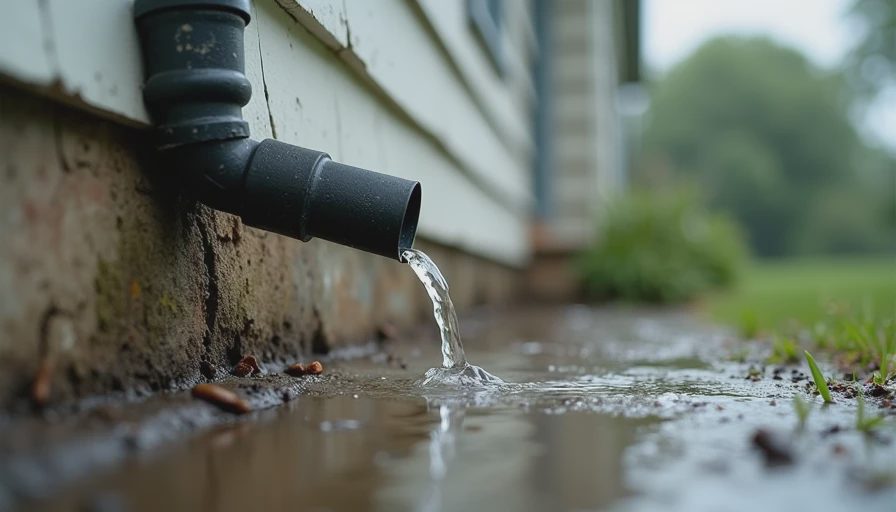
Clear gutters are only the first part of managing roof water. Once the water reaches the downspouts, it still has to travel far enough from the foundation that it does not saturate the soil against the walls. On older homes a series of common mistakes short-circuits that final step. Short leaders, missing or broken extensions, and grading that slopes toward the house all deposit water exactly where it causes basement moisture, foundation wetting, and soil erosion.
Understanding the downspout and drainage mistakes that push water back toward the house helps you correct the path rather than only treating the symptoms that appear inside. This article outlines the typical failures, the signs they produce, and the practical checks that show where the water is actually going.
How Roof Water Is Supposed to Leave the Perimeter
A complete drainage path collects water at the eaves, moves it through the downspouts, and releases it onto a surface that continues to slope away from the foundation for a meaningful distance. The goal is to keep the soil next to the walls as dry as practical during and after rain.
On older homes the original installations were often shorter and less carefully graded than current practice recommends. Later attempts to improve drainage—added extensions, splash blocks, or regrading—frequently become disconnected, buried, or reversed over time. The result is a system that looks complete but still concentrates water at the foundation.
Common Downspout Mistakes
Several failures occur at the point where water leaves the gutter system.
Discharge too close to the foundation
Downspouts that end within a foot or two of the wall dump large volumes of water directly into the soil against the foundation. Even a short period of heavy rain can saturate that soil and drive moisture toward basement walls or crawl-space framing.
Missing, disconnected, or buried extensions
Flexible or rigid extensions that were added to carry water farther out often become detached at the elbow, crushed by foot traffic or equipment, or gradually buried by mulch and soil. Once the extension fails, the water reverts to discharging at the foundation.
Downspouts that drain onto reverse slopes
Even a longer discharge path fails if the ground immediately beyond the outlet slopes back toward the house. Water leaves the pipe and then runs downhill to the foundation.
Shared or undersized leaders
Some older installations combine multiple roof areas into a single downspout that cannot handle peak flow. Overflow at the gutter or at the discharge point still ends up near the walls.
Any of these conditions places roof runoff against the foundation at the moments when the soil is least able to absorb more water.
Grading and Surface-Drainage Mistakes
The ground itself must continue the work the downspouts begin.
Settled backfill and low spots next to the foundation
Soil that was placed against the foundation after construction often settles over the years, creating a depression that holds water. Even if the downspouts discharge farther out, surface water from the roof edge or from the yard can collect in these low areas.
Planting beds and hardscape that trap water
Raised beds, edging, or sidewalks that sit higher than the adjacent soil can block the intended flow path and create pockets of standing water against the house.
Improper slope away from the walls
A positive grade that falls several inches over the first few feet from the foundation is the basic requirement. Flat or reverse grades keep water in contact with the walls longer.
Splash blocks that no longer direct water outward
Concrete or plastic splash blocks that have shifted, sunk, or been buried lose their ability to move water away from the discharge point.
These surface conditions amplify any shortcomings in the downspout layout.
Signs That Water Is Being Pushed Back Toward the House
Several exterior and interior observations confirm the problem.
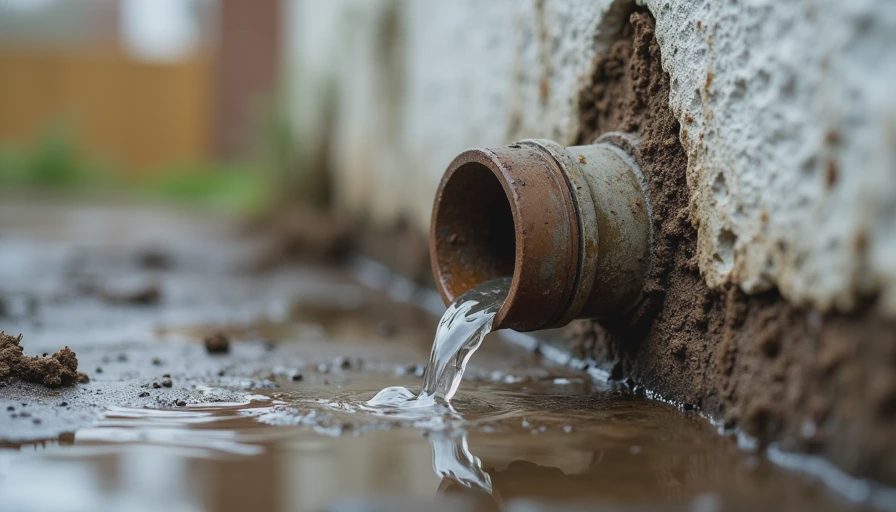
Wet or eroded soil under the downspout outlets
After rain, soft ground, small channels, or exposed foundation at the discharge points show that water is concentrating there rather than moving away.
Basement or crawl-space moisture that tracks rain events
Dampness, water entry, or musty conditions that appear along the perimeter walls within hours of rain are consistent with surface water from the roof rather than deep groundwater.
Overflow stains and algae on the lower walls
Vertical marks below the gutter line or around downspout locations indicate regular wetting of the exterior surface.
Standing water or soft ground that remains against the foundation
Puddles or persistently wet soil next to the walls after the rest of the yard has drained point to grading or discharge problems.
Ice buildup at the foundation in cold weather
In freezing climates, water that remains against the walls can freeze and expand, adding stress to the foundation and the lower wall materials.
When several of these signs appear together, the drainage path from the downspouts to the surrounding grade is the primary suspect.
A Practical Inspection Sequence
You can evaluate the entire path systematically.
Trace every downspout from the gutter to the discharge point
Confirm that each leader is open, securely connected, and long enough to release water well away from the foundation. Measure the actual distance and note any breaks or crushing in the extensions.
Observe the slope immediately beyond each outlet
Pour a bucket of water or run a hose at the discharge point and watch where the water flows. It should move away from the house; any flow that turns back toward the walls indicates a grading problem.
Walk the perimeter after rain
Note low spots, standing water, and erosion channels. Pay attention to areas where downspouts, roof edges without gutters, and surface runoff converge.
Check for buried or hidden drainage features
Sometimes older drain tile or underground leaders exist but have become clogged or disconnected. Evidence of past attempts at underground drainage is worth investigating if surface solutions are not sufficient.
Document the locations and conditions with photographs. The record helps when you discuss corrections with a contractor and also shows whether the problems are consistent across storms.
Why Interior Fixes Alone Do Not Solve the Source
Sumps, interior drains, and waterproofing coatings manage water that has already entered the basement or crawl space. They do not reduce the volume of roof water that is being delivered to the foundation. When downspouts and grading continue to concentrate water against the walls, the interior systems must handle a larger load than necessary.
Correcting the exterior path—lengthening discharge, restoring positive grade, and keeping extensions functional—reduces the amount of water that reaches the foundation. Interior measures can then be sized to any remaining conditions rather than to the full roof runoff.
Practical Corrections That Restore the Drainage Path
Most of the common mistakes can be addressed with straightforward work.
Extend downspout discharge
Rigid or flexible extensions that carry water at least several feet from the foundation, combined with a surface that continues to slope away, keep the soil next to the walls drier.
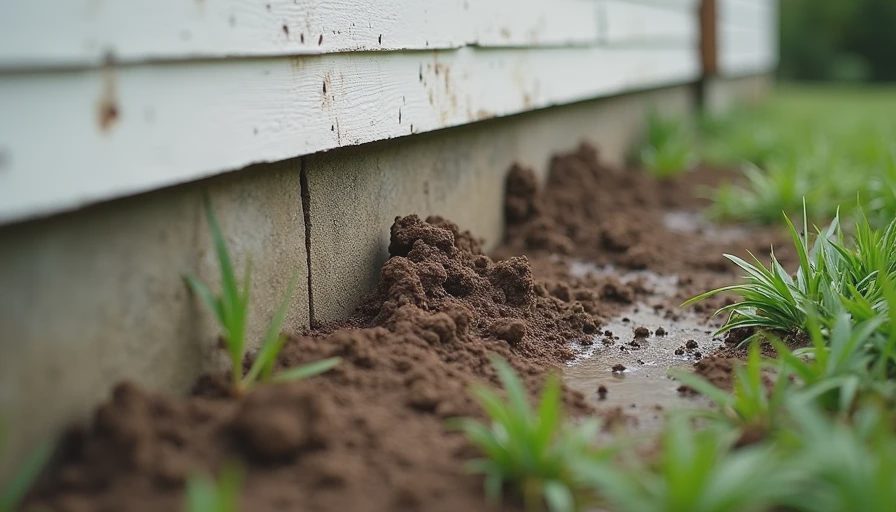
Regrade low spots
Adding soil to restore a positive slope away from the foundation, then compacting and protecting the surface, eliminates the depressions that hold water.
Maintain and secure extensions
Checking connections after storms, after landscaping work, and at the change of seasons prevents extensions from becoming disconnected or buried.
Add or correct splash blocks and surface channels
Where sheet flow needs guidance, simple surface features can keep water moving in the intended direction without underground construction.
A trustworthy local contractor who understands older homes should be able to walk the perimeter with you, identify the specific points where water is turning back toward the house, and propose corrections that match the site conditions.
Questions Worth Asking
Consider asking:
How far from the foundation should each downspout discharge on this site, given the soil and existing grade?
Which discharge points and low spots are currently directing water back toward the walls?
What combination of extension, regrading, and surface drainage will keep water moving away after it leaves the downspouts?
After the exterior path is corrected, what basement or crawl-space moisture conditions are likely to remain?
Clear answers that reference the actual layout of your downspouts and grade are more useful than generic recommendations.
Putting the Path Back Together
Roof water that leaves the gutters still has to travel away from the foundation. Short downspouts, failed extensions, and grading that slopes toward the house reverse that travel and deposit the water against the walls. The result is wet soil, foundation moisture, and basement dampness that tracks the rain.
Start by tracing every downspout to its discharge point, testing the slope beyond the outlet, and walking the perimeter after rain. The observations usually reveal whether simple extensions and regrading will restore proper drainage or whether more extensive surface work is needed. Correcting those exterior conditions reduces the volume of water that reaches the foundation and gives the house a better chance of staying dry at the base.
Older homes often show the failure of the drainage path through wet soil, overflow marks, and interior moisture that appears with the rain. Following the water from the downspout to the surrounding grade helps you stop it before it becomes a recurring problem at the foundation.