
Older homes usually give warning signs before they give you a bill. Learning the signs your gutter needs repair can help you catch a small drainage problem before it damages the roof edge, siding, foundation, or basement. A gutter does more than collect leaves. It directs thousands of gallons of rainwater away from the house each year, and a loose joint or blocked downspout can send that water into places it does not belong.
Start with sagging, pulling, and visible damage
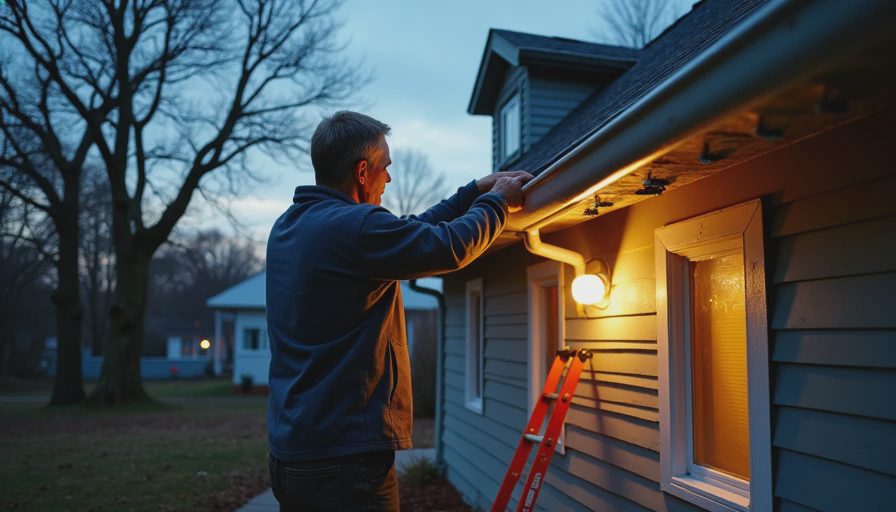
The easiest signs your gutter needs repair are visible from the ground. Look along the roofline after a rainstorm and check whether the gutter runs in a straight, consistent line. A section that sags in the middle is probably holding water because its slope has changed, its fasteners have loosened, or debris is weighing it down. Water sitting in the channel adds even more weight and can pull the gutter away from the fascia board.
You might also see a gutter separating at a corner, an end cap that has slipped, or a long section leaning away from the house. Small cracks and pinholes often appear around seams, especially in older aluminum gutters. Rust spots on steel gutters deserve attention before they become open holes. A few replacement hangers might cost less than $100 in materials, while repairing rotted fascia behind a failed gutter can cost several hundred dollars or more.
Do not assume a new bracket solves the whole problem. If the fascia is soft, dark, or crumbly when lightly tested, the real problem is likely water damage behind the gutter. Fix the real problem, not just the visible one. A contractor should explain whether the board, roof edge, flashing, and gutter all remain sound.
Watch what happens during a hard rain
Rain reveals problems that dry-weather inspections can miss. Stand safely on the ground and watch the roofline during a moderate storm. Water spilling over the front of the gutter usually points to a clog, inadequate slope, a crushed section, or a channel that cannot handle the roof area draining into it. If water pours from one seam, the seal has probably failed or the joint has shifted.
One of the clearest signs your gutter needs repair is a steady waterfall at a corner or along a straight section. Overflow can soak siding, stain brick, and splash against window trim. On an older house with porous masonry or delicate wood siding, repeated wetting can lead to peeling paint and rot. A gutter that overflows only in heavy storms still deserves investigation; those storms are when drainage systems handle their greatest load.
Check the bottom of each downspout too. Water should exit several feet away from the foundation through an extension, splash block, or connected drain system. If the outlet discharges directly beside the house, the gutter might be working while the drainage plan is failing. Downspout extensions commonly cost under $50, but correcting an underground drain or buried outlet is a larger project.
Look for water damage on the house
The signs your gutter needs repair may appear on the house rather than on the gutter itself. Inspect the fascia and soffit for peeling paint, dark streaks, swollen wood, or small holes. On siding, look for water marks below the roofline, loose panels, mildew, and paint that bubbles or flakes in a narrow vertical pattern. These symptoms do not prove the gutter is the only cause, but they are strong reasons to trace the water path.
Inside the home, examine ceilings and upper wall corners beneath roof valleys or gutter transitions. A gutter leak does not always create an obvious ceiling stain. Water can travel behind trim and insulation before appearing indoors. Musty smells in an attic, damp insulation near the eaves, or recurring discoloration after rain deserve a broader roof and drainage inspection.
A trustworthy local contractor should be able to show you where water is entering, not simply point to a damaged section and recommend a full replacement. Ask for photos taken from the ladder or roof edge, a description of the repair, and an explanation of why the proposed fix should stop the water.

Do not ignore foundation and basement clues
Some of the most expensive signs your gutter needs repair show up below ground. Damp basement walls, puddles near the foundation, efflorescence, and peeling paint can result from poor grading, a failed downspout extension, clogged footing drains, or gutter overflow. Gutters are not a substitute for waterproofing, but they are often the first part of the water-management system to inspect.
Walk around the house after rainfall. Look for muddy soil, mulch washed away from the foundation, small channels cut into the ground, or water collecting under a downspout. In a crawl space, check for damp insulation and a musty odor. A single wet spot may come from a plumbing leak or high groundwater, so follow the water instead of assuming the gutter is responsible.
Repairing a loose downspout connection might cost $75 to $200, while repeated basement cleanup, foundation work, or interior mold treatment can run into the thousands. That difference makes a careful inspection worthwhile. Water management is usually cheaper when addressed at the roofline.
How to prioritize the repair
Start with active leaks and sections that are pulling away from the house. Next, clear blocked downspouts and make sure discharge points carry water away from the foundation. Then address fascia rot, damaged flashing, and sections with multiple cracks. Cosmetic staining can wait if water is not entering the structure, but any soft wood or interior moisture moves the issue higher on the list.
For a small repair, a contractor may replace hangers, reseal a seam, install a new end cap, or reconnect a downspout. If gutters are badly rusted, repeatedly separating, or improperly sized across the entire house, replacement could be more practical. Common residential options include aluminum, galvanized steel, and copper. Aluminum is usually the budget-friendly choice; steel is stronger but can rust; copper lasts a long time and costs substantially more.
Get at least two written estimates when the work involves fascia replacement, underground drainage, or full gutter replacement. The estimate should separate labor, materials, disposal, and any wood repair. Ask whether the contractor will correct the slope and inspect the downspout route, rather than simply hanging a new channel in the same failing position.
A simple homeowner inspection checklist
Use this checklist twice a year, ideally in spring and fall and again after a major storm. From the ground, look for sagging, gaps, rust, cracks, and loose fasteners. Confirm that water exits every downspout and travels away from the foundation. Check the fascia, soffit, siding, and foundation for stains or dampness. In the basement or crawl space, note musty odors, wet insulation, and new moisture marks.
Avoid climbing an unstable ladder beside a wet roofline. A gutter cleaning service can inspect high sections while removing leaves, but ask for clear photos and a written description of any defect. This is especially useful on older houses where hidden fascia rot or altered roof additions complicate the drainage path.
Knowing the signs your gutter needs repair helps you spend money in the right order. Do not wait for a dramatic interior leak when a loose bracket or short downspout extension is already telling you what is wrong. Find the source, protect the structure, and choose a local contractor who explains the work plainly. Know what matters first, and the repair decision becomes much less of a guess.