
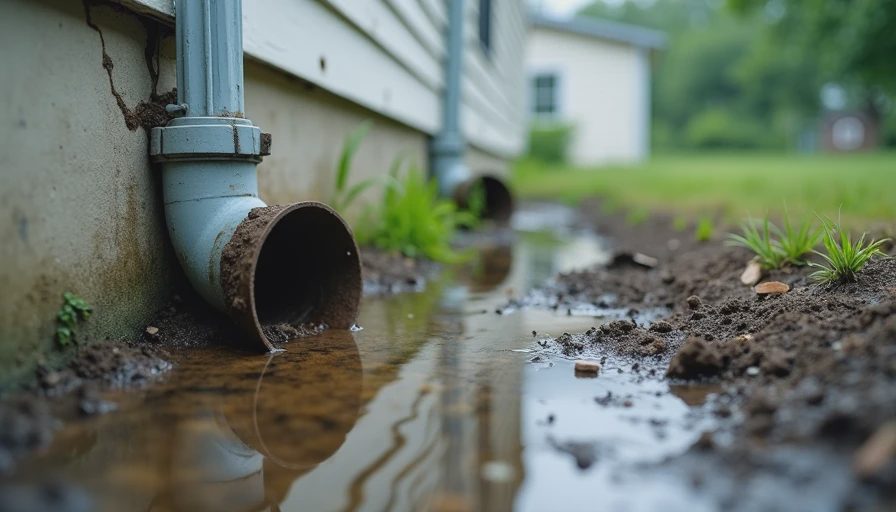
Basement moisture that appears after rain is one of the most common complaints in older homes. Many owners focus on the foundation walls, the floor slab, or interior drainage systems. A frequent and more accessible source sits at the opposite end of the water path: the gutters and downspouts that are supposed to collect roof runoff and carry it away from the house.
When those components fail, large volumes of water are deposited next to the foundation exactly when the soil is already saturated. Over time the repeated wetting increases the chance of seepage, damp walls, and musty conditions in the basement. Understanding the gutter problems that often lead to basement moisture helps you correct the source rather than only managing the symptoms inside.
How Roof Water Reaches the Foundation
A functioning gutter system intercepts water at the eaves and moves it through downspouts to a discharge point well clear of the foundation. On older homes several typical failures interrupt that path.
Clogged or overflowing gutters
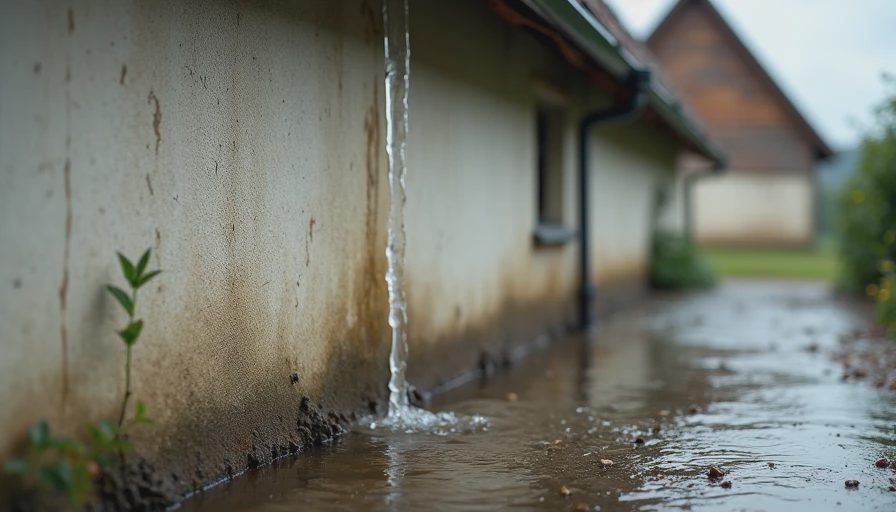
Leaves, shingle granules, and debris accumulate in the troughs. Once water cannot flow freely to the outlets, it spills over the front or back edge. The overflow runs down the fascia and exterior wall or falls directly next to the foundation.
Downspouts that discharge too close to the house
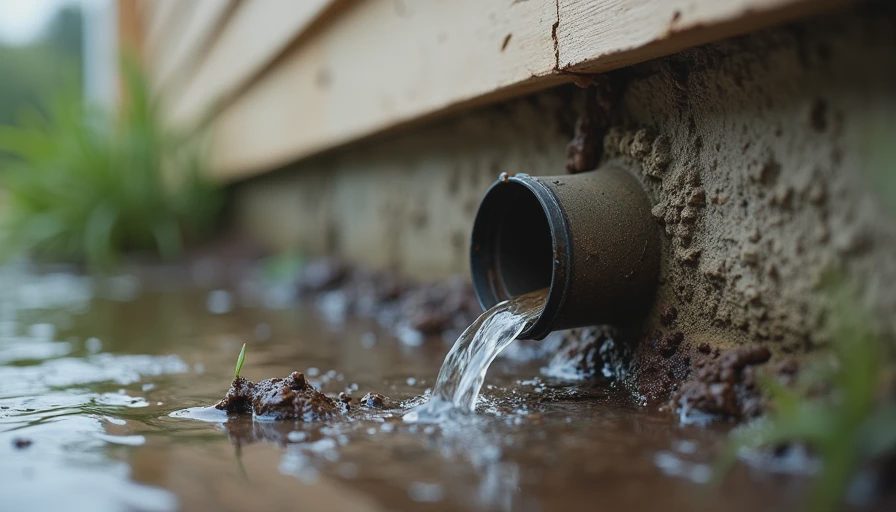
Even when the gutters themselves are clear, downspouts that end within a foot or two of the foundation dump concentrated roof water into the soil against the walls. On older homes the original leaders were often short, and extensions that were added later become disconnected, buried, or removed.
Poor pitch and settled gutter runs
Sections that have lost their slight downward slope toward the downspouts hold water. Standing water eventually overflows at the lowest points, again concentrating moisture near the building perimeter.
Missing or damaged splash blocks and extensions
Where downspouts do discharge farther out, the water still needs a clear path away from the house. Missing splash blocks, broken extensions, or reverse grading can allow the flow to turn back toward the foundation.
Any of these conditions places roof water against the foundation at the moments when the soil has the least capacity to absorb more moisture.
Signs That Link Gutters to Basement Dampness
Several exterior and interior observations help confirm the connection.
Basement moisture that follows rain events
Damp spots, water entry, or a musty rise that appears within hours of heavy rain and is concentrated along the perimeter walls is more consistent with surface water from the roof than with a deep groundwater issue.
Wet soil or erosion next to the foundation
After a storm, walk the perimeter. Soft, saturated soil or visible washouts under the downspout outlets show that water is not being carried away.
Overflow marks and staining on the exterior
Vertical streaks on the siding or foundation below the gutter line, especially after rain, indicate regular overflow. Algae or mineral deposits in the same locations reinforce the pattern.
Soft or stained fascia behind the gutters
Repeated overflow softens the fascia board and can allow water to reach the lower edges of the roof decking and the top of the exterior wall.
Gutters that pull away or sag
Once the fascia softens or hangers loosen, the gutter line sags, creating additional low spots that overflow more readily.
When several of these signs appear together, the gutter and downspout system is a primary suspect for the basement moisture.
A Practical Inspection Sequence
You can evaluate the drainage path systematically without specialized tools.
Clear and test the gutters
Remove debris from the troughs and outlets. Run a hose into the high end of each section and watch the flow. Note any sections that pond or overflow even when clear.
Trace every downspout to its discharge point
Confirm that each leader is open and that water exits at least several feet from the foundation. Measure the actual distance; many older installations fall short. Check whether extensions are intact and slope away from the house.
Observe the grade next to the foundation
The soil should slope away from the walls for a distance of several feet. Low spots, settled backfill, or planting beds that hold water against the foundation will keep moisture in place even after the gutters are corrected.
Watch the system during a rain
If possible, observe the house during a moderate to heavy rain. Note where water overflows, where downspouts discharge, and whether water pools against the foundation.
Photograph the conditions and note the locations. The record helps when you discuss the work with a contractor and also shows whether the problems are consistent.
Why Interior Basement Fixes Alone Often Fall Short
Sumps, interior drain tile, and waterproofing coatings can manage water that has already entered. They do not stop the volume of roof water that is being delivered to the foundation in the first place. When the gutter system continues to concentrate water against the walls, the interior measures must handle a larger and more frequent load than necessary.
Correcting the exterior drainage reduces the amount of water that reaches the foundation. In many older homes this step alone lessens or eliminates the basement moisture that appears after rain. Interior work can then be sized to any remaining conditions rather than to the full roof runoff.
Related Conditions That Amplify the Problem
A few additional factors common on older houses make gutter failures more consequential.
Limited or missing foundation drainage
Many older foundations were built without modern perimeter drains. Surface water that saturates the soil has fewer engineered paths away from the walls.
Porous foundation materials
Stone, brick, and early concrete can allow seepage once the soil against them stays wet. Keeping that soil drier reduces the driving force for moisture movement.
Window wells and stairwells
These low points collect water that overflows from gutters or runs off the roof edge. If they drain poorly, they become direct routes into the basement.
Addressing the gutters and downspouts still remains the highest-leverage first step because it reduces the volume of water arriving at all of these vulnerable areas.
What to Ask When You Bring in Help
A contractor who understands older homes should be able to connect the roofline drainage to the basement conditions. Consider asking:
Which specific gutter or downspout failures are delivering water to the foundation?
How far from the walls should the downspouts discharge on this site, given the soil and grading?
Is the current pitch of the gutters adequate, or do sections need to be adjusted or replaced?
What grading or surface drainage changes would keep water moving away once it leaves the downspouts?
After the exterior drainage is corrected, what basement moisture conditions are likely to remain?
Clear answers that reference the actual layout of your gutters, downspouts, and foundation are more useful than generic recommendations.
Putting the Pieces Together
Basement moisture that arrives with rain is frequently the end of a water path that begins at the gutters. Clogged troughs, short or disconnected downspouts, poor pitch, and grading that turns water back toward the house all place roof runoff against the foundation at the worst times.
Start by clearing and testing the gutters, tracing every downspout to its discharge point, and checking the grade next to the walls. The observations usually reveal whether simple maintenance will restore proper drainage or whether repairs to the gutter system and extensions are needed. Correcting those exterior conditions reduces the volume of water that reaches the foundation and gives any interior basement measures a better chance of success.
Older homes often show the connection through wet soil, overflow stains, and basement dampness that tracks the rain. Following the water from the roofline down to the foundation helps you stop it before it becomes a recurring interior problem.