
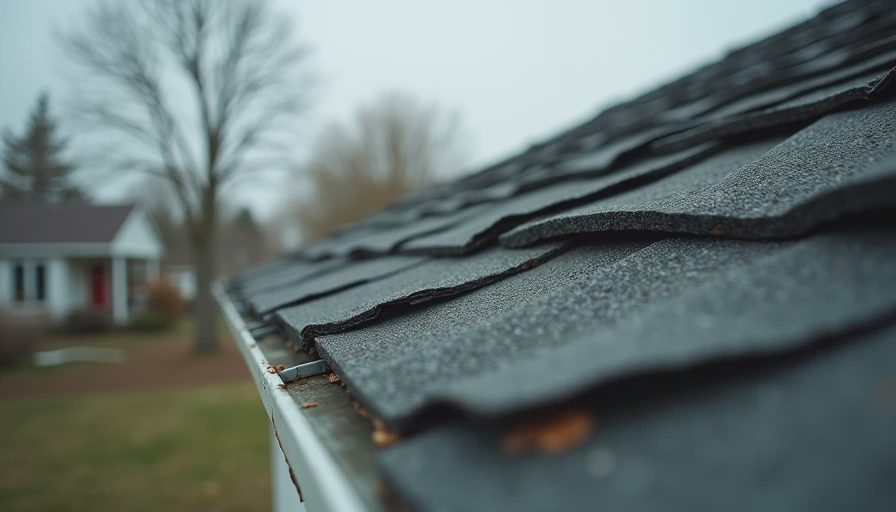
A single water stain on the ceiling or a few missing shingles after a storm can look straightforward. On an older home, though, those surface clues often connect to conditions that have been developing for years. The challenge is knowing when a roof problem in an older home is still limited and when it has already moved into the decking, underlayment, or surrounding structure.
This article outlines seven signs that commonly indicate the issue is larger than the first impression. None of them automatically means full replacement is required, but each one is worth investigating more carefully before you accept a quick patch.
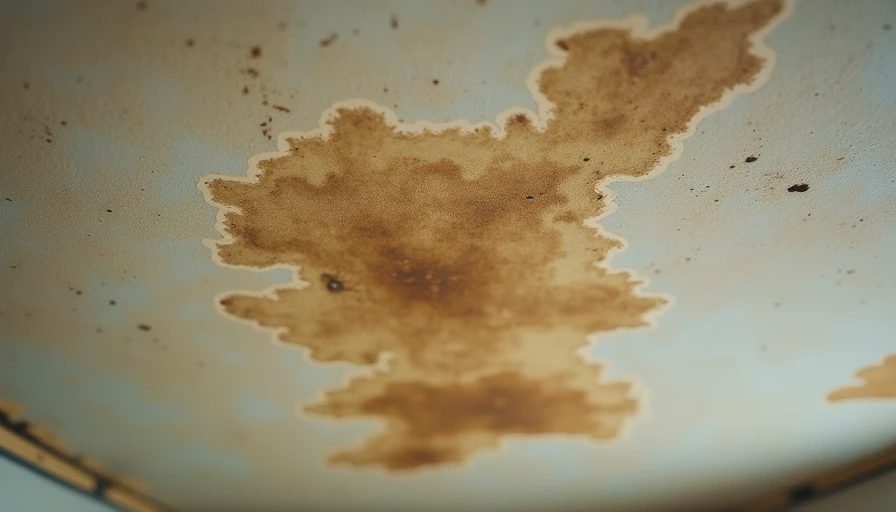
1. Ceiling Stains That Keep Returning or Expanding
An old, dried stain that has not changed in years may simply be a past event that was already addressed. A stain that reappears after rain, grows larger, or darkens further is different.
On older homes the roof deck and underlayment can allow water to travel sideways before it shows up inside. What looks like one small ceiling mark can therefore be the lowest point of a longer moisture path. Check the attic above the stain on a dry day and again after the next rain. Look for active dampness, compressed insulation, or additional staining that has not yet reached the finished ceiling.
If the stain is near a chimney, skylight, or exterior wall, the source is often the flashing or the transition detail rather than the field of the roof itself.
2. Soft or Spongy Decking Felt from the Attic
When you press on the underside of the roof boards in the attic and feel give, or when the wood feels cooler and damper than surrounding areas, the decking has likely absorbed moisture for some time.
Isolated soft spots directly under a known leak path can sometimes be cut out and replaced as part of a repair. Softness that extends across several rafter bays, or that appears in multiple separate locations, usually means the problem has been ongoing and the structural surface itself needs attention. In those cases a surface patch alone leaves the weakened deck in place.
Take dated photos and note the locations. This record helps a contractor understand the scope without relying only on a ground-level view.
3. Multiple Leak Locations or a History of Recurring Leaks
One leak after a severe storm can be an isolated failure. Two or more active leak paths, or a pattern of leaks that have been repaired and then reappeared nearby, points to a broader weakness in the weather barrier.
On older roofs the underlayment and original flashing details often age at different rates. Once water finds one entry point, it can migrate and create secondary paths. Each new repair that only addresses the interior stain without correcting the entry point above tends to be temporary.
Ask previous contractors or look at any records you have of past roof work. A sequence of small repairs over several years is itself a useful signal that the system is no longer holding as a whole.
4. Widespread Granule Loss Combined with Curling or Cupping
Individual shingles can lose granules from normal weathering. When large sections of the roof show bare asphalt, and the edges of those shingles are curling upward or cupping, the material has lost much of its ability to shed water.
Water can then work under the edges, wet the underlayment, and accelerate further breakdown. At that stage, replacing a few shingles leaves the surrounding deteriorated surface in place. The repair may look neat for a season, yet the same conditions continue around it.
View the roof from the ground with binoculars or a zoom lens on a clear day. Note whether the granule loss and edge deformation are concentrated in one slope or appear across multiple sides of the house.
5. Daylight Visible Through the Roof Deck
On a bright day, stand in the attic and look upward. Any pinholes or larger openings that let daylight through mean there is a direct path for weather.
Small gaps can sometimes be sealed from above during a repair. Multiple openings, or openings that align with stained or soft decking, indicate the roof surface and underlayment are no longer continuous. In older homes these gaps often develop near the ridge, at hips, or around penetrations where movement and temperature cycling are greatest.
Document the locations. They give a contractor a clear map of where the weather barrier has already failed.
6. Persistent Musty Odor or Visible Mold in the Attic
A damp, musty smell that does not clear after dry weather, or visible mold growth on the underside of the deck or on nearby framing, shows that moisture has been present long enough to support biological growth.
This condition is more significant than a single past leak that dried out completely. It suggests ongoing or repeated wetting, elevated humidity, or both. Inadequate attic ventilation often contributes by allowing moisture to linger. Addressing only the interior ceiling stain leaves the moisture source and the ventilation imbalance in place.
When you find these conditions, note whether the insulation is also damp or compressed. Wet insulation loses effectiveness and can hold moisture against the deck.
7. Flashing and Penetration Details in Poor Condition Across Multiple Areas
Flashing around chimneys, vents, skylights, and wall transitions is a frequent weak point on older roofs. When most of these metal details show rust, separation, cracked sealant, or repeated layers of caulk, the problem is no longer limited to one location.
A single failed flashing section can often be replaced as a targeted repair. When the majority of the penetrations and transitions are in similar condition, the labor and material required to correct them all begins to approach the cost and disruption of a more complete roof system. At that point, evaluating the entire roof surface and underlayment together becomes the more practical approach.

What to Do Once You Notice These Signs
None of the seven signs is a diagnosis by itself. Together they form a pattern that tells you the issue deserves a closer look than a simple surface patch.
Start by documenting what you see with dated photographs from the ground, the attic, and any interior stains. Then contact a local roofing contractor who regularly works on older homes and is willing to inspect both the exterior and the attic. Ask them to explain the condition of the decking, underlayment, and flashing in plain language, and to discuss whether a limited repair still addresses the underlying paths or whether a broader scope is the more durable option.
A trustworthy local roofing contractor should be able to walk you through the evidence rather than move straight to a package price. The clearer your own observations, the more useful that conversation becomes.
Older homes usually give warning signs before they present a sudden large failure. Reading those signs carefully—especially the ones that point beyond the first visible stain or missing shingle—helps you decide how deep the current roof problem actually runs and what level of work will actually resolve it.