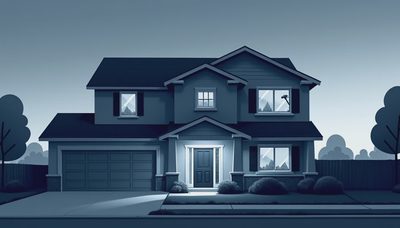
Older homes rarely give you a single clear answer when the roof starts acting up. A stain on the ceiling, a few missing shingles after a wind event, or a soft spot near the chimney can leave you wondering whether a targeted repair will hold or whether the whole system has reached the point where replacement makes more sense. The decision matters because the wrong choice can waste money and leave the rest of the house exposed longer than necessary. This article focuses on the practical differences between old house roof repair or replacement so you can walk through the decision with clearer eyes and fewer surprises.
The goal is not to push you toward one outcome. It is to help you read the actual condition of the roof in front of you, separate temporary problems from systemic ones, and ask better questions when a contractor arrives.
What “Repairable” Usually Looks Like on an Older Roof
A roof that still has useful life left often shows localized problems rather than widespread failure. The surface may look tired in places, yet the underlying structure and most of the weather barrier remain functional. Look for these patterns when you evaluate whether a repair is still realistic.
Limited, isolated damage
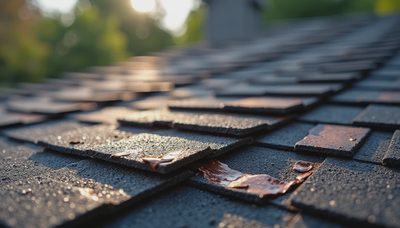
A handful of missing, cracked, or lifted shingles in one area—especially after a documented storm—can often be repaired without touching the rest of the surface. The same applies to a single section of flashing that has lifted around a vent pipe, skylight, or chimney. When the surrounding shingles still lie flat, retain most of their granules, and show no widespread curling, a skilled repair can restore weather protection without a full tear-off.
Underlayment and decking still sound
If you can safely access the attic, the underside of the roof deck tells an important part of the story. Dry wood, no widespread staining, and solid-feeling boards usually mean the structure can support a repair. Soft or dark spots concentrated directly under one leak path are more manageable than soft spots that appear across multiple rafters or bays. Take note of whether the insulation below the stained area is still dry or has been repeatedly wetted.
Age still within a reasonable range relative to the material
Asphalt shingles common on many older American homes were typically installed with expected service lives in the 20- to 30-year range, depending on climate, slope, and ventilation. If the roof is still inside or near that window and the majority of the surface looks intact, a well-executed repair can buy useful additional time. The key is whether the remaining material can continue to shed water effectively once the damaged section is addressed.
Flashing and penetrations in otherwise good condition
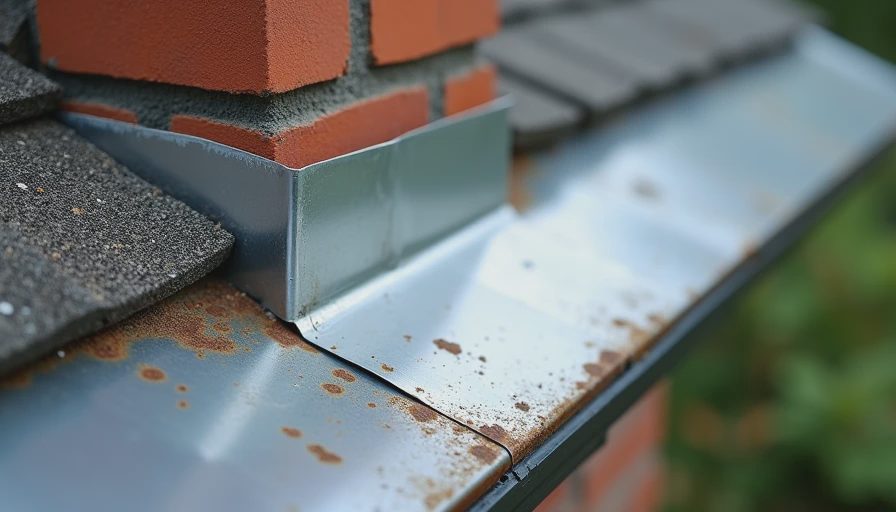
When most of the metal flashing around chimneys, valleys, and vents remains tightly sealed and free of major rust or separation, the labor required for a localized repair stays proportionate. Extensive flashing replacement across the entire roof often shifts the economics toward a full reroof.
Signs That Point Toward Full Replacement
Some conditions make repeated repairs a short-term measure at best. These patterns usually shift the balance because the underlying materials are no longer performing as a system.
Widespread granule loss and curling or cupping
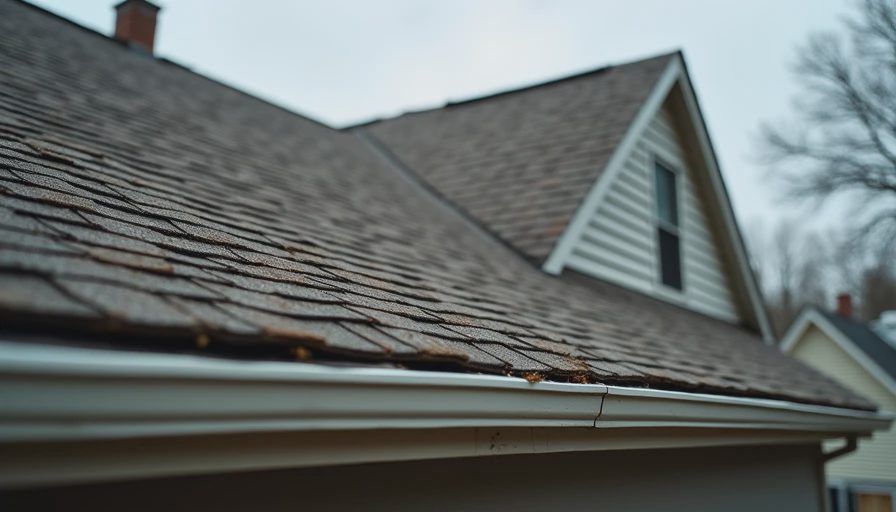
When large areas of shingles have lost their protective granules and the edges are curling upward or cupping, the material is no longer shedding water the way it was designed to. Water can work under the edges, accelerate further degradation, and find new entry points. Patching individual spots in this situation often becomes a recurring cycle rather than a lasting solution.
Multiple active or past leak paths
Two or more separate leak locations, or a history of leaks that keep returning in new places after previous repairs, often mean the underlayment and decking have been compromised in more than one area. Each new entry point increases the chance that moisture is moving laterally under the surface.
Soft or sagging sections of the roof plane
Soft spots you can feel when walking carefully on the roof (only if it is safe and low-slope enough), or visible sagging between rafters when viewed from the ground or attic, point to decking that has lost strength. Repairing the surface covering without addressing the deck leaves the structural weakness in place.
Flashing and penetrations in poor condition across much of the roof
If most of the metal flashing is rusted, cracked, pulled away, or heavily caulked over previous failures, the labor and material cost to replace all of it often approaches the cost of a full reroof. At that point, installing new flashing as part of a complete system usually provides better long-term value.
Evidence of repeated moisture in the attic
Widespread staining on the underside of the deck, damp or compressed insulation in multiple locations, or a persistent musty odor that does not resolve after dry weather all suggest that water has been entering for some time. These conditions raise the likelihood that decking or even rafter ends have been affected.
A Practical Inspection Sequence You Can Perform Yourself
You do not need to climb onto a steep roof to gather useful information. A careful sequence that starts on the ground and moves into the attic can give you a solid baseline before any contractor arrives.
From the ground and a safe ladder position
Walk the perimeter of the house on a dry day. Note any missing, cracked, or curling shingles, paying attention to whether the damage is clustered or scattered. Look at the condition of the gutters, downspouts, and fascia boards—overflow or staining here can indicate that water is not being managed at the eaves. Use binoculars or a phone camera with zoom if the roof is steep or high. Photograph what you see and note the date.
Inside the attic on a bright day
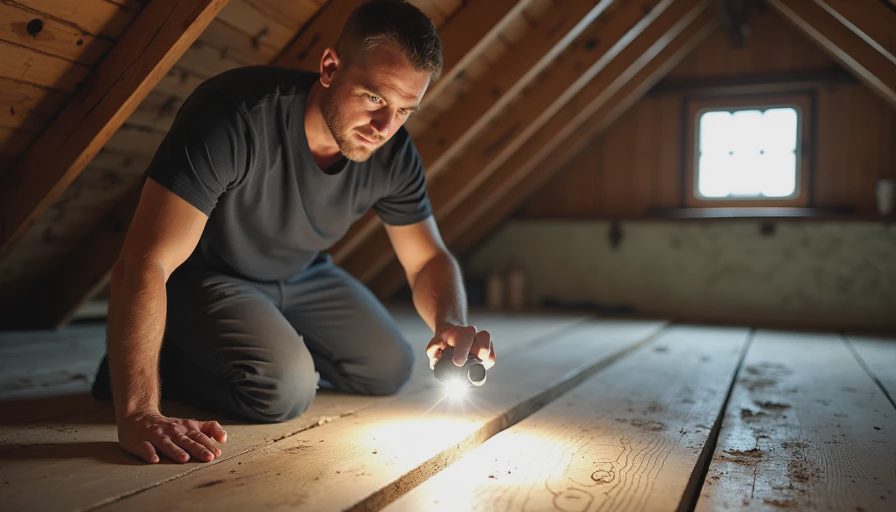
Bring a strong flashlight. Look for daylight coming through the roof deck—any pinholes or larger openings indicate gaps in the weather barrier. Check for dark water stains on the underside of the boards or on the insulation below. Press gently on the wood in stained areas to test for softness. Take note of any musty smell, visible mold growth near the ridge or eaves, or insulation that appears compressed and discolored. Also observe whether the attic feels excessively hot or poorly ventilated; inadequate airflow shortens the life of many roofing materials.
Ceiling and upper-floor walls
Stains that reappear after rain, or that grow larger over successive storms, are more significant than an old, dried mark that has remained unchanged for years. Check closets, near chimneys, and along exterior walls on the top floor.
Document everything with dated photographs and short written notes. This record helps when you speak with a contractor and also shows whether a problem is stable or advancing over time.
Questions Worth Asking a Local Roofing Contractor
A trustworthy local roofing contractor who regularly works on older homes should be able to explain the trade-offs in plain language rather than relying on a generic sales script. Consider asking the following:
How much of the existing decking appears sound, and how much may need replacement if we proceed with either a repair or a full reroof?
Is the current underlayment still functional in the areas that would remain, or will it need to be replaced as part of any substantial work?
If a repair is recommended, what is the expected remaining service life of the rest of the roof under normal weather conditions for this area?
What specific signs would tell you that replacement becomes the better value within the next few years?
How will the proposed work affect existing attic ventilation, ridge vents, or soffit intake?
Are there related issues—such as improper previous flashing details or inadequate ice-and-water shield in valleys—that should be corrected at the same time?
Listen for answers that reference the actual condition of your roof, attic, and flashing rather than a one-size-fits-all package. A contractor who is willing to walk the attic with you, point out what they see, and discuss options in sequence is usually more useful than one who stays on the ground and quotes only a complete replacement price.
Additional Practical Considerations Before You Decide
Cost is only one factor in the decision. Several others often matter as much for owners of older homes.
How long you plan to stay in the house
A solid, well-executed repair can be a reasonable choice if you expect to move within a few years and the rest of the roof still has remaining life. If you plan to stay longer, investing in a more complete system may reduce the chance of another major disruption later.
The condition of the rest of the building envelope
A roof replacement is a natural moment to address related issues such as inadequate attic ventilation, outdated or missing ice-and-water shield in critical areas, or transitions to walls and dormers that have been sources of past leaks. Coordinating these details can improve the overall performance of the house.
Local climate and exposure
Homes in regions with heavy rainfall, high winds, frequent freeze-thaw cycles, or intense sun often see faster wear on aging roofing materials. The same roof condition may justify different decisions depending on how severe the local weather stresses are.
Timing and weather windows
Roofing work is weather-dependent. Understanding typical seasonal windows in your area helps you avoid rushing into a decision during a period when quality work is harder to schedule or complete.
Getting a second perspective when the recommendation is major
If the first contractor strongly recommends full replacement and the cost is significant, obtaining a second assessment from another contractor who also works on older homes can provide useful comparison. Look for consistency in the description of decking and underlayment condition rather than simply the lowest price.
Avoid the pressure of limited-time offers that urge you to “act today.” A careful decision based on clear evidence of the roof’s actual condition serves an older home better than a rushed one.
Putting the Decision Together
Start with the visible evidence from the ground and the attic. Separate isolated problems that a skilled repair can address from patterns of widespread wear, multiple leak paths, or structural softening of the deck. Then bring in a contractor who is willing to explain the condition of the decking, underlayment, and flashing in language you can follow, and who can discuss both repair and replacement paths with their realistic trade-offs.
Older homes usually give warning signs before they present you with a large, urgent bill. Reading those signs carefully—documenting what you find, asking specific questions, and weighing how long you plan to stay—helps you choose the path that actually fits the roof and the house in front of you. The clearer your understanding of the current condition, the more confidently you can move forward with either a targeted repair or a full replacement when the time is right.