A dark stain on the ceiling or damp insulation in the attic immediately raises the fear of a roof leak. On an older home the source is not always water coming through the shingles or flashing. Condensation, air leakage from the living space, and inadequate attic ventilation can produce moisture that looks very similar to a leak yet has an entirely different cause and solution.
Telling the difference between a roof leak and attic moisture matters because the repairs are not the same. Treating condensation as a roofing problem leaves the real issue untouched. Assuming every stain is only a ventilation problem can allow an actual leak to continue damaging the decking. This article walks through the practical observations that help separate the two.
How Moisture Appears in the Attic of an Older Home
Two main mechanisms put water into the attic space.
Liquid water from outside
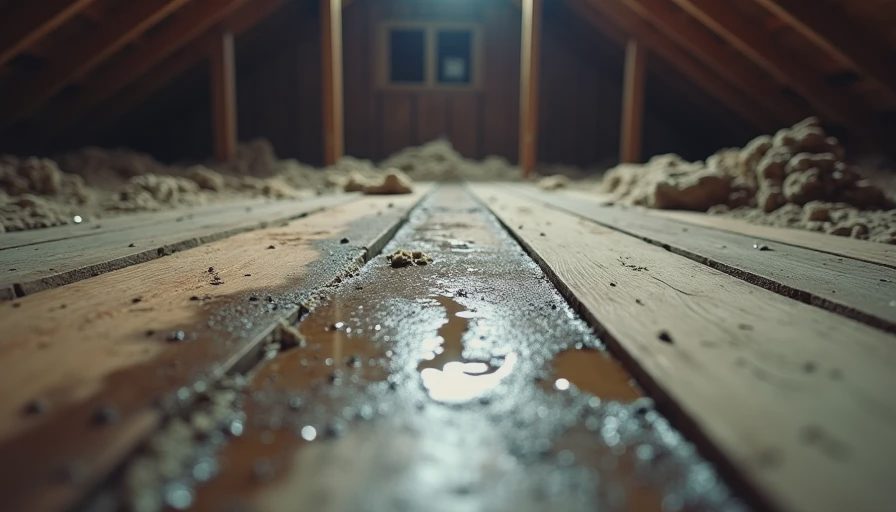
Rain or melting snow that penetrates the roof surface, underlayment, or flashing enters as liquid. It follows gravity and often shows up as drips, concentrated stains, or wet paths that can be traced back to a specific entry point such as a chimney, vent pipe, valley, or damaged shingle area.
Water vapor from inside the house
Warm, moist air from the living space rises into the attic through gaps around light fixtures, attic hatches, plumbing penetrations, and ceiling joints. When that air contacts cold roof sheathing or metal surfaces, the vapor can condense into liquid water. The resulting moisture is often more diffuse—damp insulation, widespread light staining, or beads of water on cold surfaces—rather than a single drip path.
Older homes frequently have both pathways available because original air sealing was limited and attic ventilation may no longer match the current insulation levels or climate.
Clues That Point Toward a True Roof Leak
Certain patterns are more consistent with liquid water entering from outside.
Stains or drips that appear only during or right after rain or snowmelt
If the moisture shows up in clear response to weather and remains dry during extended dry periods, a roof penetration is the more likely source. Note the timing carefully; condensation can also increase in cold weather, but it is less tightly linked to individual rain events.
Concentrated wet paths that can be traced
Follow the dampness upward. A roof leak often leaves a visible trail on the underside of the decking or along a rafter that leads toward a specific detail—flashing, a pipe jack, a skylight, or a damaged section of shingles.
Daylight or visible gaps at the roof surface
From inside the attic on a bright day, any openings that let light through indicate a break in the weather barrier. These gaps are direct routes for rain.
Localized damage to the roof covering
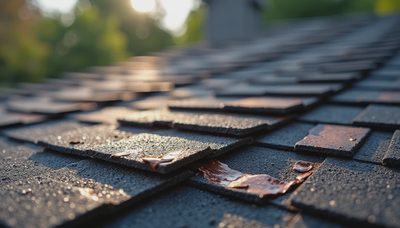
Missing, cracked, or curled shingles, failed flashing, or exposed underlayment above the wet area support the leak diagnosis.
When several of these clues appear together, the evidence favors a roof leak that needs to be addressed at the exterior surface and flashing.
Clues That Point Toward Condensation and Attic Moisture
Other patterns are more typical of moisture that originated inside the house.
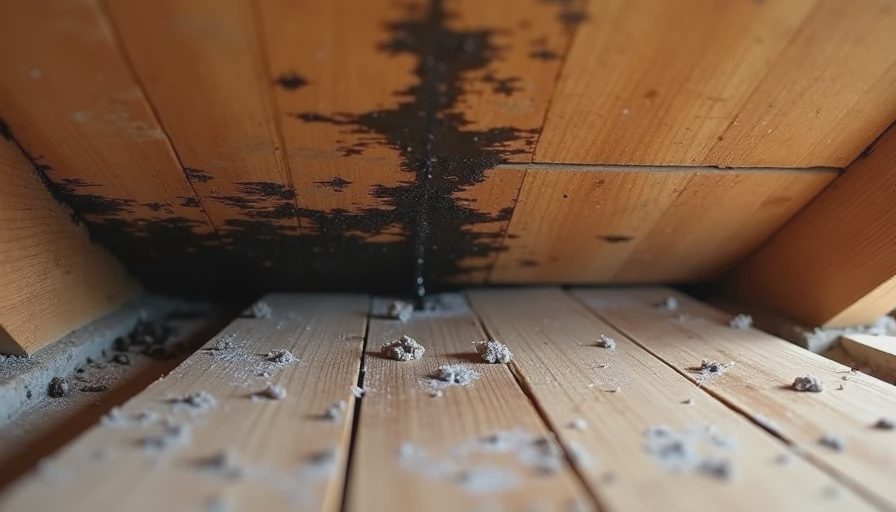
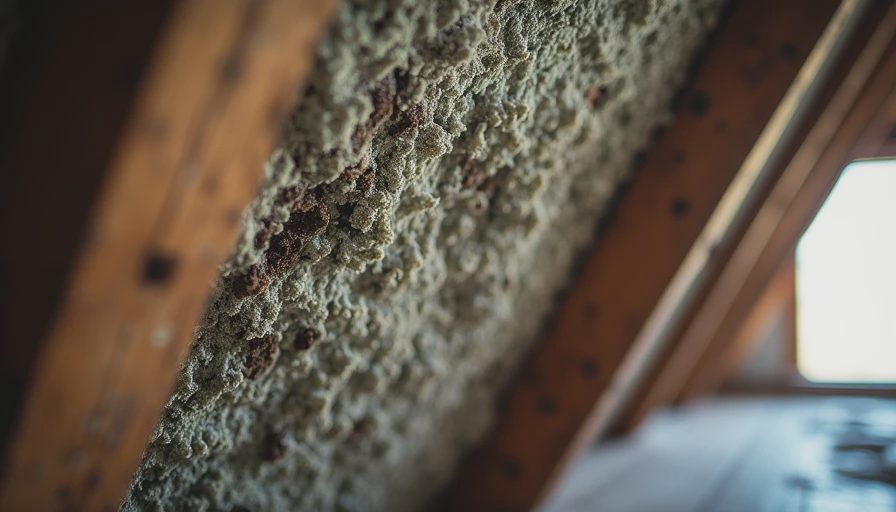
Widespread dampness or frost on the underside of the roof deck
Condensation often appears across broader areas of the coldest surfaces, especially on the north side or near the eaves, rather than in a single vertical path. In cold climates you may see frost that later melts and drips.
Moisture that is worse in cold weather even without rain
When indoor humidity is high and the roof deck is cold, condensation can occur on clear, dry days. The problem tends to track outdoor temperature and indoor moisture levels more than precipitation.
Dirty insulation or staining around air leaks
Air leaking from the living space carries both moisture and fine dust. Over time the insulation around recessed lights, attic access openings, and framing gaps can show dark soiling. This is a common sign that indoor air is moving into the attic.
High indoor humidity sources
Long showers, unvented dryers, cooking without exhaust, or a damp basement can raise the amount of moisture available to rise into the attic. If these conditions exist, they support the condensation explanation.
Limited or blocked attic ventilation
Sofit vents covered by insulation, a missing or undersized ridge vent, or gable vents that are obstructed reduce the ability of the attic to flush out moisture-laden air. Poor ventilation allows humidity to build and condense.
A Practical Sequence for Sorting the Cause
You can gather useful information without specialized equipment.
Step 1: Record the timing
Note when the moisture appears relative to rain, snowmelt, and cold outdoor temperatures. Keep a simple log for a few weather cycles.
Step 2: Inspect the attic on both a dry day and after rain
Look for active drips, the pattern of staining, and whether the underside of the deck shows concentrated paths or broad dampness. Check for daylight through the roof.
Step 3: Examine air-leak locations
With the attic dark and a light on in the rooms below, look for light coming upward around fixtures, the attic hatch, and chimneys. These gaps are routes for moist indoor air.
Step 4: Evaluate ventilation and insulation
Confirm that soffit vents are open, that insulation is not blocking them, and that there is an exhaust path at the ridge or gables. Note the insulation depth and coverage.
Step 5: Check indoor humidity
A simple hygrometer can show whether indoor relative humidity is consistently high. Values that stay elevated increase the likelihood of condensation in a cold attic.
Document findings with dated photographs. The record helps when you speak with a contractor and also shows whether the condition is stable or changing.
Why the Distinction Matters for Repairs
If the moisture is coming from a roof leak, the work belongs on the exterior—repairing or replacing damaged shingles, correcting flashing, and ensuring the underlayment is intact. Interior stains can then be addressed once the entry point is stopped.
If the moisture is primarily condensation, the priority shifts to air sealing the ceiling plane, improving attic ventilation, and managing indoor humidity. Adding more insulation without first sealing air leaks can sometimes make condensation worse by creating colder surfaces. Roofing work alone will not solve a condensation problem.
In some older homes both issues exist at once. A small roof leak can be magnified by poor ventilation that prevents the attic from drying. In those cases the lasting solution usually involves both the exterior weather barrier and the interior air and ventilation details.
Questions to Ask When You Bring in Help
A contractor experienced with older homes should be able to discuss both possibilities. Consider asking:
Does the pattern of moisture follow rain events or outdoor temperature and indoor humidity?
Are there visible exterior entry points that line up with the interior staining?
How much air leakage from the living space is evident around the attic floor?
Is the current attic ventilation adequate for the insulation levels and climate?
What sequence of work would address the most likely source first?
A trustworthy local roofing contractor or a building-performance specialist should be willing to look at both the roof surface and the attic conditions before recommending a scope of work.
Putting the Observations Together
Ceiling stains and damp attic insulation on an older home can come from liquid water entering through the roof or from water vapor that condenses inside the attic. The timing relative to weather, the pattern of staining, the presence of daylight or exterior damage, and the condition of air seals and ventilation together point toward one source or the other.
Start with careful observation of when the moisture appears and what it looks like in the attic. Then check for air leaks from below and for adequate ventilation. Those steps usually clarify whether the next work belongs on the roof surface, on the air barrier and ventilation system, or on both.
Older homes often show moisture in the attic for more than one reason. Separating a true roof leak from condensation prevents fixing the wrong problem and helps you direct effort toward the conditions that are actually wetting the space.