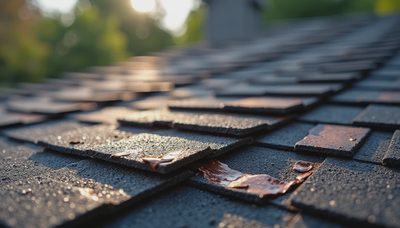
A roofing proposal on an older home can look complete while still leaving important conditions unexamined. The price, the shingle brand, and the warranty language are easy to compare. What is harder to see is whether the contractor has actually evaluated the decking, the underlayment, the flashing details, and the ventilation that will determine how long the new roof performs.
Asking focused questions before signing anything helps you understand the real scope of the work and the assumptions behind the price. This article outlines the practical questions that separate a thorough assessment from a surface-level quote.
Why the Questions Matter More on Older Homes
Newer roofs often sit on relatively consistent substrates. Older roofs frequently hide variations in decking thickness, previous repair patches, outdated underlayment, and flashing details that no longer match current practice. A contractor who prices only the removal of the existing covering and the installation of new shingles may discover soft decking, inadequate ventilation, or failed flashing only after the work has started. Those discoveries change both the cost and the schedule.
Clear questions asked while the roof is still intact give the contractor a chance to inspect and explain those conditions in advance. The answers also show how carefully the contractor approaches older houses.
Questions About the Existing Roof Condition
Start with what the contractor has already observed.
How much of the decking have you been able to evaluate, and what did you find?
A thorough assessment includes looking at the underside of the deck from the attic where access allows, as well as probing suspect areas from above if safe. Ask for specifics: Are there soft spots? Staining? Previous patches? How extensive do they appear?
What is the condition of the underlayment in the areas you could see?
Original felt underlayment on older roofs is often brittle or damaged. Understanding whether it will be fully replaced or left in place in sound sections affects both the weather resistance of the new roof and the price.
Are there signs of active or past leaks that line up with interior stains or attic moisture?
A contractor who has correlated exterior conditions with attic and interior evidence is more likely to address the actual entry points rather than simply covering the surface.
How is the current attic ventilation performing, and will the new roof maintain or improve it?
Ventilation affects both the life of the new covering and the moisture balance in the attic. Ask whether existing soffit and ridge (or gable) vents are adequate and unobstructed, and how the new installation will work with them.
These questions establish whether the proposal is based on a real inspection or on assumptions.
Questions About the Scope of Work
Once the condition is clear, turn to what the work will actually include.
Exactly what layers will be removed, and what will remain?
Some projects strip everything to the deck; others leave sound underlayment or specific details in place. Knowing the plan prevents later debates about what was included.
How will soft or damaged decking be handled?
Ask for the criteria the crew will use to decide what gets replaced, how the replacement boards will be integrated, and whether the cost of decking replacement is included, estimated as an allowance, or treated as an extra.
What flashing details will be replaced or reworked?
Chimneys, sidewalls, valleys, skylights, and pipe penetrations are common failure points on older roofs. A complete scope usually includes new flashing at these locations rather than relying on sealant over existing metal.
How will transitions to walls, dormers, and lower roofs be managed?
Older homes often have complex intersections. Ask how water will be directed at these points and whether step flashing, kick-out flashing, or other details will be updated.
What underlayment and ice-and-water protection will be installed, and where?
Especially in colder climates, the placement of self-adhering membranes at eaves, valleys, and penetrations matters. Confirm what products and locations are included.
Clear answers to these questions turn a general “complete tear-off and reroof” into a defined set of tasks.
Questions About Process, Protection, and Cleanup
How the work is carried out affects the rest of the house and the site.
How will the house and landscaping be protected during tear-off and installation?
Tarps, boards, and careful debris handling limit damage to siding, gutters, plants, and outdoor surfaces. Ask what specific measures will be used.
What is the plan for weather interruptions?
Roofing is weather-dependent. Understanding how open areas will be protected if rain arrives mid-job reduces the risk of interior water entry during construction.
How will the site be left at the end of each day and at final completion?
Daily magnetic sweeps for nails, containment of debris, and final cleanup should be part of the discussion. Older homes with more complex sites benefit from clear expectations.
Who will be on site, and who is the point of contact for questions or problems?
Knowing whether the salesperson, a project manager, or the crew lead is the daily contact helps communication once work begins.
Questions About Price, Allowances, and Changes
The written proposal should match the verbal explanations.
Is the price based on a fixed scope, or are there allowances for decking, flashing, or other items?
Allowances are common for unknown decking conditions. Confirm the amount, the unit cost for additional work, and how overruns will be handled.
What conditions would trigger a change order, and how will those be communicated and priced?
Soft decking beyond the allowance, hidden structural issues, or code-required upgrades can appear after tear-off. A clear process for documenting and approving changes prevents disputes.
What warranties apply to workmanship and to the materials, and what is required to keep them valid?
Manufacturer warranties often depend on proper installation and ventilation. Workmanship warranties vary in length and coverage. Ask for the written terms and any maintenance obligations.
Does the proposal include all permits, disposal fees, and taxes?
Hidden or assumed costs can alter the final amount. Confirm what is included and what is not.

Questions That Reveal Approach and Experience with Older Homes
A few broader questions help gauge whether the contractor is prepared for the realities of an aging house.
How often do you work on houses of this age and roof complexity?
Experience with similar construction makes unexpected conditions less surprising.
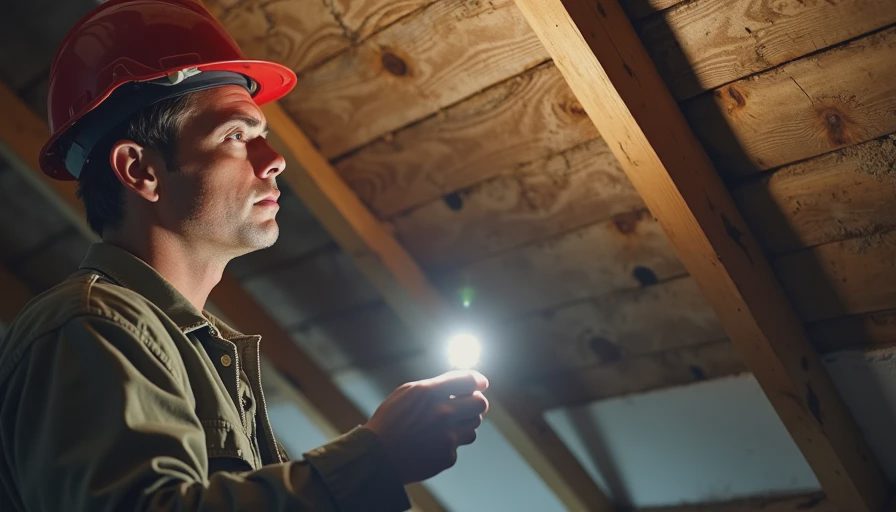
Can you walk me through the attic and point out what you see?
A contractor willing to look at the underside of the roof and explain the findings in plain language is usually more thorough than one who stays on the ground.
What problems do you commonly find on roofs like this that owners do not expect?
The answer reveals whether the contractor anticipates the typical issues of older roofs—layered coverings, uneven decking, outdated flashing—or treats every job as a standard tear-off.
Putting the Answers to Work
Take notes during the conversation and compare them with the written proposal. The proposal should reflect the conditions discussed, the scope described, and the allowances explained. If the written document is silent on decking, flashing, or ventilation while the conversation was detailed, ask for the missing items to be added.
A trustworthy local roofing contractor will welcome specific questions and will be able to answer them with reference to your actual roof rather than with generic assurances. The goal is not to interrogate but to confirm that the work has been thought through before the contract is signed.
Older roofs reward this kind of preparation. When the decking, underlayment, flashing, and ventilation have been considered in advance, the project is less likely to produce large mid-job surprises and more likely to leave the house with a roof that performs as expected.
Asking the right questions before signing anything is one of the most effective ways to protect both the house and the investment in the new roof.