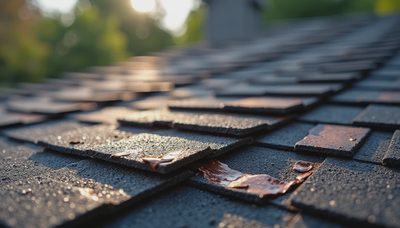
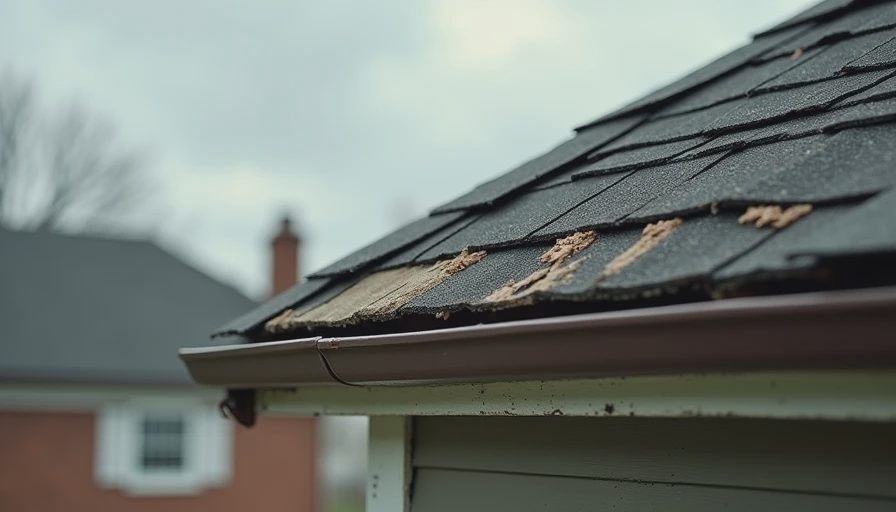
A few missing shingles, a small area of curled edges, or a single stain on the ceiling often feel manageable. Many owners plan to address them when time and budget allow. On an older home, however, water that enters through even a limited opening can travel along the decking, soak insulation, and eventually soften the wood that supports the roof. What began as a surface problem becomes structural damage that is more expensive and more disruptive to correct.
Recognizing when a “small” roofing problem has already reached the structure helps you intervene before the damage spreads further. This article outlines the pathways water takes, the signs that framing or decking has been affected, and the practical steps to confirm the extent of the issue.
How Limited Roof Openings Lead to Wider Damage
Water does not always fall straight down from the point of entry. On a sloping roof it can run along the underlayment, follow the seams between boards, or move sideways until it finds a low point or a joint. In older homes several conditions make this movement more likely.
Underlayment that has aged or been damaged
Original felt underlayment becomes brittle with time. Once it tears or loses its water-shedding ability, water that gets under a shingle can travel farther before it appears inside.
Decking with gaps or older solid-board construction
Many older roofs use solid wood boards rather than plywood or OSB. Gaps between boards allow water to drip through in multiple places once it reaches the deck. Even when the boards are tight, prolonged wetting softens the wood fibers.
Insulation that holds moisture
Attic insulation that becomes wet loses its thermal value and stays damp against the underside of the deck. The prolonged contact keeps the wood moist long after the original rain has stopped.
Limited attic ventilation
When the attic cannot dry out readily, moisture that enters through a small roof opening remains in the space longer, increasing the chance of wood decay and mold growth on the framing.
A problem that looks small from the exterior can therefore wet a larger area of the structural surface than the visible damage suggests.
Signs That the Structure Has Already Been Affected
Certain observations indicate that water has moved beyond the roof covering and into the decking or framing.
Soft or spongy decking when probed from the attic
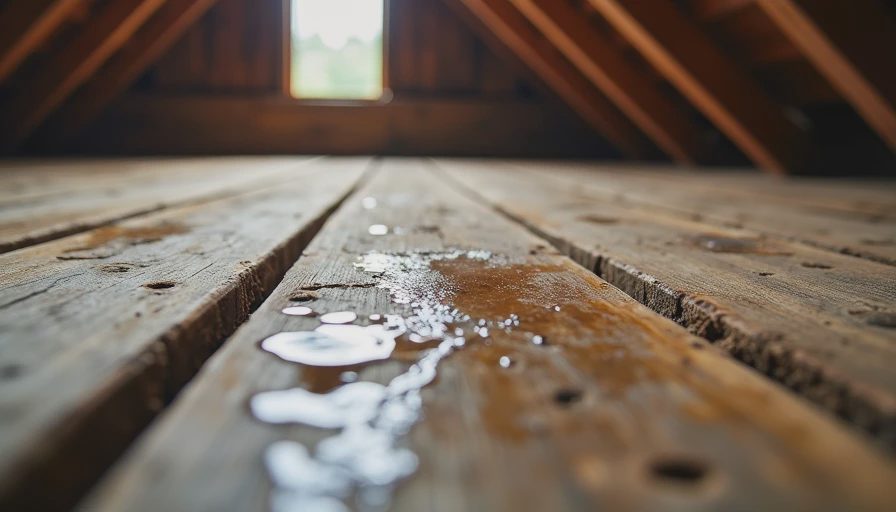
Pressing on the underside of the roof boards reveals whether the wood has lost strength. Soft spots that give under moderate pressure, especially when they extend beyond a single board, show that decay or prolonged wetting has compromised the material.
Visible staining or darkening of the roof boards
Dark streaks, water outlines, or widespread discoloration on the underside of the decking mark the paths water has taken. When these marks are accompanied by softness, the structural surface has been affected.
Sagging or uneven roof planes
From the ground or from a higher vantage point, a dip between rafters or a noticeable wave in the roof surface can indicate that the decking or the rafters themselves have weakened. Small surface problems do not produce this kind of movement; structural softening does.
Recurring interior stains that expand over time
A ceiling stain that returns after successive rains and grows larger suggests that water is still entering and that the materials above are remaining wet enough to continue releasing moisture downward.
Musty odor or visible mold on framing
Organic growth on the rafters, trusses, or the underside of the deck shows that moisture levels have been high for an extended period. The presence of mold does not always mean advanced structural failure, yet it confirms that the wood has been wet long enough to support biological activity.
When several of these signs appear together, the original “small” roofing problem has already produced structural consequences.
Why Early Intervention Matters
Wood that has been wet and then dried may retain much of its strength. Wood that remains damp or that has begun to decay loses load-carrying capacity. Once sections of decking or rafter ends are compromised, the repair is no longer limited to the roof covering. Damaged boards must be cut out and replaced, and in some cases sistering or reinforcing of framing members becomes necessary.
The longer the wetting continues, the larger the area that may need structural attention. Correcting the entry point and drying the assembly while the damage is still localized keeps the scope closer to a roofing repair rather than a structural reconstruction.
A Practical Sequence for Assessing the Extent
You can gather useful information before major work begins.
Inspect the exterior roof surface
Note missing, cracked, or curling shingles, damaged flashing, and any low spots that hold water. Photograph the areas that align with interior stains or attic dampness.
Examine the attic thoroughly
On a dry day and again after rain if possible, look for active drips, staining patterns, soft decking, and any daylight coming through the roof. Probe suspect areas carefully. Document locations with measurements or sketches relative to chimneys, vents, or walls.
Check for related moisture sources
Confirm that the stains or soft areas are consistent with roof entry rather than condensation from indoor humidity or plumbing leaks. Timing relative to rain and the presence of exterior damage help make the distinction.
Evaluate the surrounding structure
Look at the rafters or trusses near the damaged decking for dark staining, soft spots, or visible cracking. Softness at the ends of rafters where they meet the exterior wall is especially important because those connections carry significant load.
These observations give a contractor a clearer picture of whether the work can stay limited to the roof surface or must include structural repair.
What a Structural Repair Typically Involves
When decking or framing has been damaged, the sequence usually includes:
Removing the roof covering over the affected area
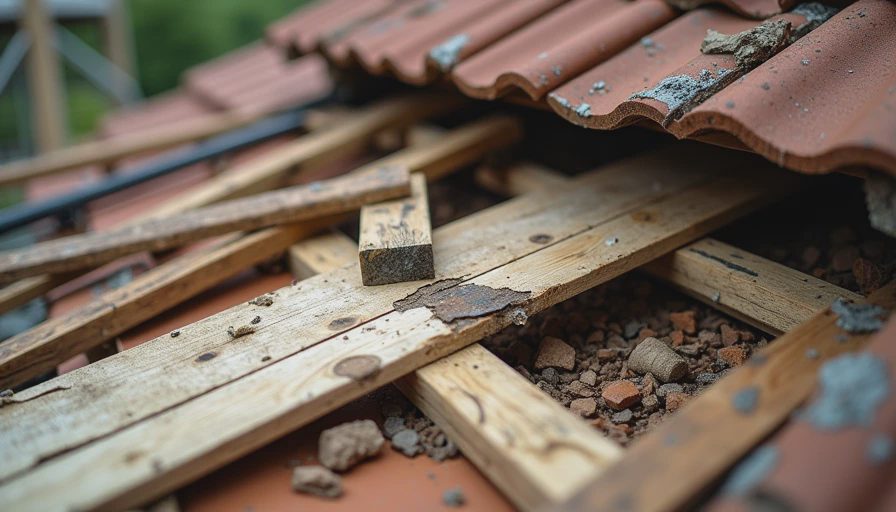
Cutting out and replacing soft or decayed decking
Reinforcing or replacing compromised rafters or trusses if needed
Installing new underlayment and flashing details
Reinstalling or replacing the roof covering so that the repaired section integrates with the remaining roof
The exact scope depends on how far the damage has spread. Early detection often keeps the structural work to a limited area; delayed action can require opening larger sections of the roof.
Questions to Ask a Roofing Contractor
A contractor experienced with older homes should be able to discuss both the surface problem and any structural implications. Consider asking:
How much of the decking appears soft or stained, and how far does the damage extend beyond the obvious entry point?
Are any rafters or trusses affected, and what reinforcement or replacement is recommended?
Can the damaged sections be repaired while leaving the surrounding sound material in place?
What steps will be taken to ensure the repaired area sheds water correctly and does not create new entry points at the transitions?
How will the attic be dried and ventilation checked so that remaining moisture does not continue to affect the wood?
Clear answers that reference the actual conditions in your attic and on the roof surface are more useful than general assurances.
Putting the Observations Together
A small roofing problem on an older home can remain small only as long as water is kept out of the structural layers. Once the decking softens, the staining spreads, or the roof plane begins to sag, the issue has moved into the structure itself.
Begin with a careful exterior and attic inspection that looks for soft wood, expanding stains, and signs of prolonged wetting. Document what you find and bring that information to a contractor who is willing to assess both the covering and the framing. Addressing the entry point and any damaged structure while the affected area is still limited prevents a minor surface issue from becoming a much larger repair.
Older roofs often give early warnings through isolated missing shingles or single ceiling stains. Checking beneath those symptoms for structural consequences helps you stop the damage before it spreads farther into the framing that holds the roof up.