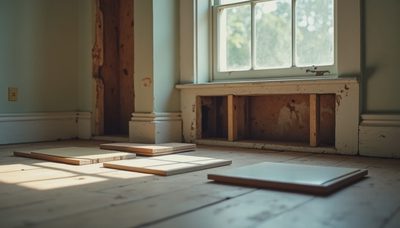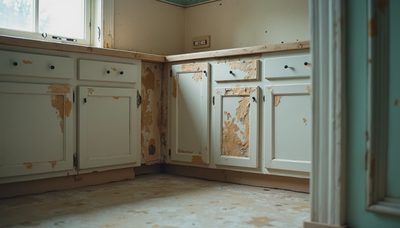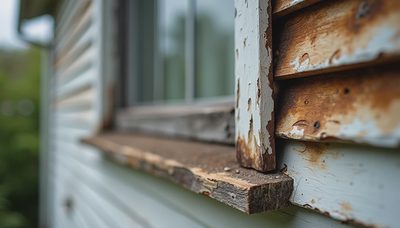
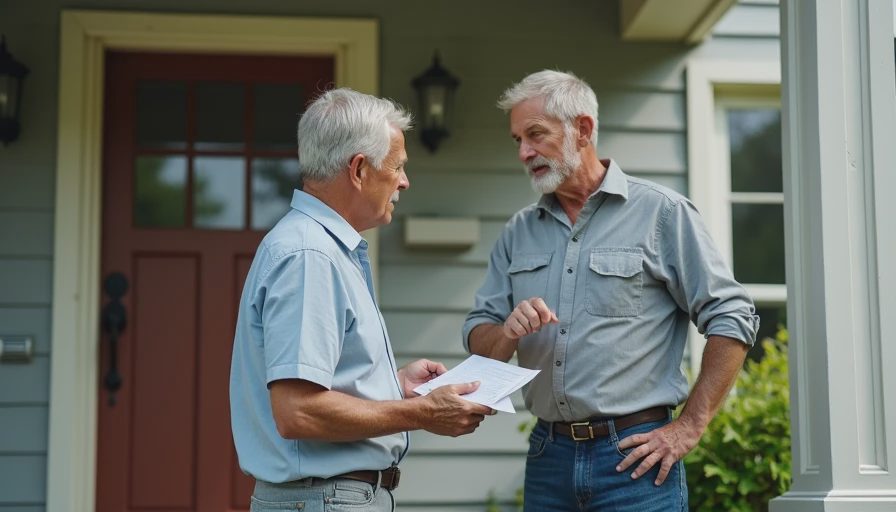
Work on an older home is rarely identical to work on a newer one. Materials have aged, previous repairs may be hidden, and the sequences that protect the house are often different. A contractor who treats every project as a standard modern renovation can miss conditions that later become expensive problems. Finding a trustworthy local contractor for an older home therefore requires looking past the lowest price and the polished brochure to evidence of relevant experience, clear communication, and a willingness to examine the actual house.
This article outlines practical steps for identifying candidates, the questions that reveal how they approach older houses, and the signs that a contractor is likely to protect both the project and the home.
What “Trustworthy” Looks Like on an Older House
Trustworthiness in this context is less about personality and more about demonstrated habits.
Experience with similar construction
A contractor who regularly works on houses of the same era and construction type is more likely to anticipate common issues—soft framing, outdated flashing, layered roofing, mixed electrical systems—than one who primarily builds new or renovates newer stock.
Willingness to inspect before quoting
A thorough assessment of the actual conditions, including attics, basements, and accessible framing, produces a more realistic scope and price. Contractors who quote from a brief walk-through or from photographs alone leave more room for mid-project discoveries.
Clear explanation of findings and options
The ability to describe what was observed, what it means for the work, and what alternatives exist helps you make informed decisions. Vague assurances or pressure to decide quickly are less useful than specific observations tied to your house.
Transparent handling of unknowns
Older homes often reveal additional conditions once surfaces are opened. A trustworthy contractor explains how those situations will be documented, priced, and approved rather than treating them as automatic extras.
These habits show up in the way the contractor talks about the house and the written proposal that follows.
Practical Steps for Finding Candidates
A short, deliberate process produces better options than relying solely on the first advertisement or online lead service.
Ask for recommendations with context
Neighbors, local real-estate agents, and owners of similar older homes can often name contractors who have completed comparable work. Ask what the project involved and how the contractor handled unexpected conditions.
Check recent local work on older houses
Look for projects of similar age and scope. A contractor whose recent portfolio includes houses like yours is more likely to bring relevant experience than one whose visible work is primarily new construction.
Verify licensing, insurance, and basic credentials
Confirm that the contractor carries appropriate liability insurance and any required licenses for your area. These are baseline requirements, not guarantees of quality, yet their absence is a clear warning.
Review a small number of detailed proposals rather than many rough estimates
Three carefully prepared proposals that address the actual conditions on your house are more useful than a larger number of generic numbers.
Taking time at this stage reduces the chance of choosing primarily on price and then discovering gaps in experience later.
Questions That Reveal Approach and Experience
The conversation before any contract is signed is the best opportunity to evaluate fit. Consider asking questions in several areas.
About the house and the observed conditions
What specific conditions did you notice that will affect the scope or sequence of work?
Which issues appear most urgent, and which can reasonably wait?
How do the conditions on this house compare with other older homes you have worked on recently?
About process and sequencing
What work should be completed before cosmetic finishes are installed?
How will you protect the rest of the house during the project?
What is the plan if weather or hidden conditions interrupt the schedule?
About unknowns and changes
How do you document and price conditions that become visible only after demolition or opening of surfaces?
What is the process for reviewing and approving any additional work?
About communication and responsibility
Who will be the daily point of contact on site?
How often can I expect updates, and in what form?
Who is responsible for permits, inspections, and final sign-off?
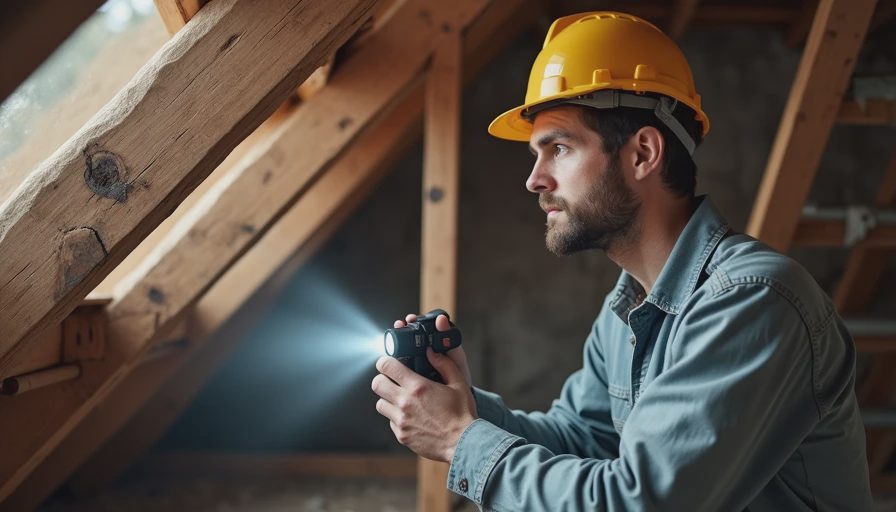
Listen for answers that refer to your actual house rather than to general practice. A contractor who can walk you through the attic, point to specific details, and explain the implications in plain language is usually better prepared than one who stays at the level of package pricing.
What the Written Proposal Should Contain
The proposal is the place where verbal explanations become commitments.
Clear scope tied to observed conditions
The document should reflect the findings discussed on site—decking, framing, moisture paths, systems limitations—rather than a generic list of tasks.
Allowances or unit prices for likely unknowns
Where soft decking, additional framing repair, or similar items are possible, the proposal should state how they will be measured and priced.
Exclusions stated explicitly
Knowing what is not included prevents later assumptions.
Timeline, payment schedule, and change-order process
These administrative details reduce friction once work begins.
Warranty terms for workmanship
Clarify what is covered, for how long, and what is required to maintain the warranty.
Compare the written proposal with the notes from your conversation. Gaps between the two are worth resolving before signing.
Red Flags Worth Noticing
Certain patterns suggest higher risk on an older home.
Reluctance to inspect attics, basements, or accessible framing
Surface-level quotes leave more conditions undiscovered.
Pressure to sign quickly or “price good only today”
Careful work on older houses rarely benefits from rushed decisions.
Inability or unwillingness to explain details in plain language
If the contractor cannot describe what was seen and how it will be handled, later communication is likely to be difficult.
Proposals that ignore sequencing of moisture, structure, and systems work
Cosmetic work planned before underlying issues are addressed often leads to rework.
References that cannot speak to similar older-home projects
Recent clients with comparable houses provide the most relevant feedback.
Any one of these is worth exploring further; several together suggest looking at other candidates.

Using References Effectively
When you contact past clients, focus on questions that reveal how the contractor handled the realities of an older house.
Did the final scope match what was originally discussed, or were there significant additions?
How were unexpected conditions communicated and resolved?
Was the site left in acceptable condition at the end of each day and at completion?
Would you hire the same contractor again for similar work on an older home?
Answers that speak to communication and problem-solving are often more useful than general statements about quality.
Putting the Selection Together
Finding a trustworthy local contractor for an older home is less about finding the single “best” name and more about matching the project to someone who already understands the construction type, who inspects before pricing, and who is willing to explain conditions and options clearly.
Start with recommendations and evidence of recent similar work. Meet on site and ask questions that require specific answers about your house. Compare the written proposals against those answers and against one another. Check references with a focus on how unknowns and communication were handled.
Older homes reward this deliberate approach. When the contractor has already demonstrated the habits of careful inspection, clear explanation, and transparent handling of change, the project is more likely to stay aligned with the actual conditions of the house and less likely to produce large mid-work surprises. Taking the time to find that fit is one of the most effective ways to protect both the renovation and the older home itself.