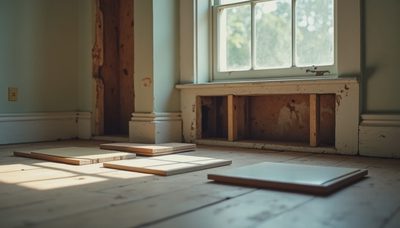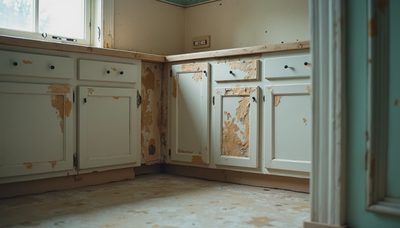
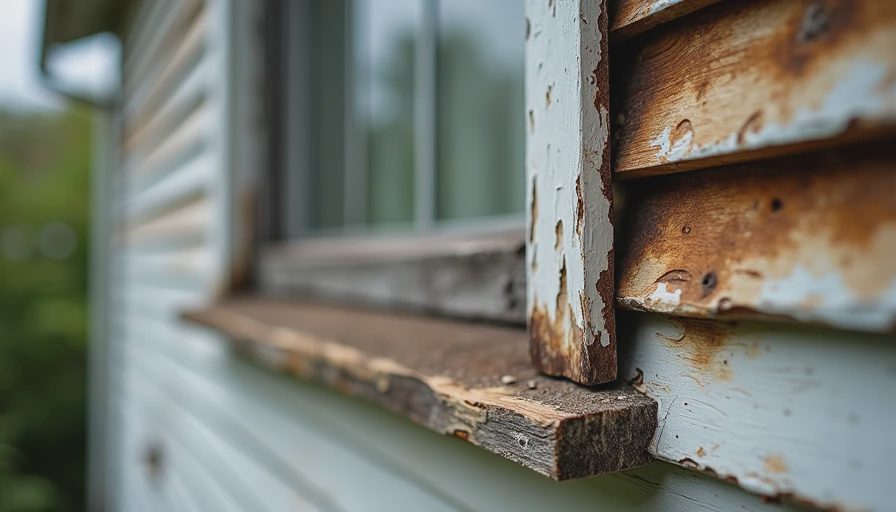
Siding is the first surface most people notice on an older home. Peeling paint, buckled boards, or dark staining often prompt plans for a cosmetic refresh or a full reclad. Yet those same symptoms frequently indicate that water has been moving behind the exterior finish. When moisture reaches the sheathing, the framing, or the insulation, the repair is no longer limited to the siding itself.
Recognizing the siding problems that may signal bigger moisture trouble helps you investigate before new material covers the existing conditions. This article outlines the visible clues, the pathways water takes, and the practical steps that show whether the issue stays near the surface or has already moved deeper.
Why Siding Symptoms Often Reflect Conditions Behind Them
Siding is intended to shed water and protect the layers underneath. On older homes the original details—flashing at windows and doors, building paper or early weather-resistive barriers, and the joints between boards or panels—have often aged or been altered by previous work. When those details fail, water that should stay outside reaches the sheathing and the wall cavity.
The siding then shows the effects: swelling, buckling, staining, or soft spots. Painting or replacing the siding without addressing the water path leaves the underlying materials wet. New siding installed over damp sheathing or framing can fail prematurely or trap moisture that continues to damage the structure.
Visible Siding Problems That Deserve a Closer Look
Several patterns are worth investigating rather than treating as purely cosmetic.
Buckling, warping, or cupping of boards or panels
Wood and some manufactured sidings change shape when they absorb moisture. Localized buckling near windows, at the base of walls, or below roof intersections often lines up with water entry points. Widespread movement can indicate more extensive wetting of the substrate.
Soft or spongy areas when pressed
Probe gently at stained or discolored sections, especially near the bottom courses, around openings, and at outside corners. Softness means the siding itself or the material behind it has been wet long enough to lose strength.
Staining, streaking, or organic growth
Dark streaks that run downward from joints, windows, or roof edges show where water has been traveling across or behind the surface. Algae or mildew that returns quickly after cleaning often thrives on repeated moisture.
Peeling or blistering finishes that reappear
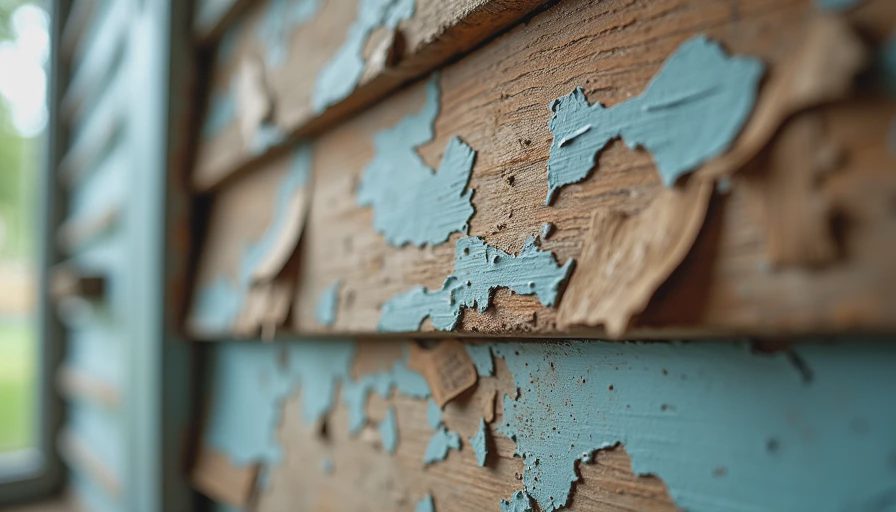
Paint or stain that fails repeatedly in the same locations, even after proper surface preparation, frequently points to moisture coming from behind the siding rather than only from exterior exposure.
Gaps, open joints, or failed sealant at penetrations
Windows, doors, vents, and utility penetrations are common entry points. Open joints or hardened, cracked sealant allow water to reach the rough openings and the wall cavity.
When several of these signs appear together, especially in patterns that align with roof edges, gutters, or openings, the likelihood of deeper moisture involvement rises.
Common Water Paths That Lead to Siding and Wall Damage
Understanding how water reaches the wall helps focus the inspection.
Roof and gutter overflows
Water that spills from clogged gutters or that runs off a roof edge without proper drip protection frequently wets the upper courses of siding and the wall below. Over time the repeated wetting softens both the siding and the sheathing.
Failed or missing flashing at windows, doors, and transitions
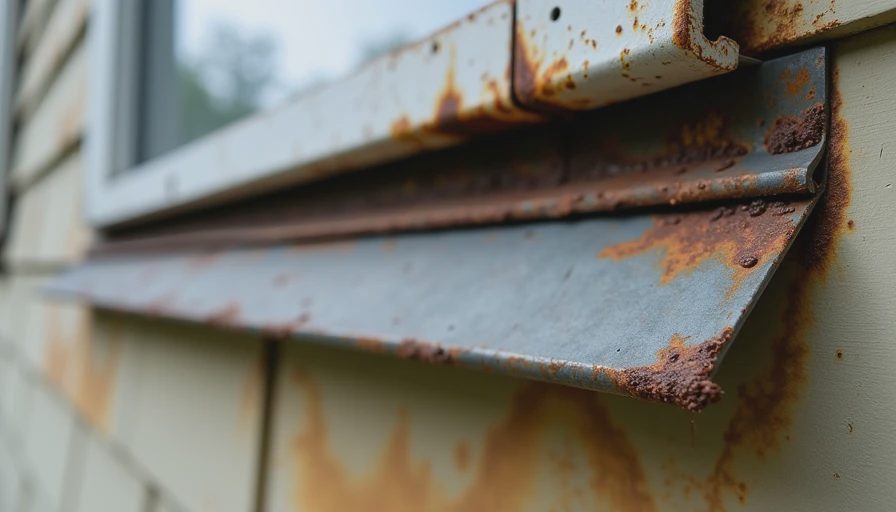
Head flashing, sill pans, and step flashing at roof-to-wall intersections direct water out of the wall assembly. When these details are absent, damaged, or improperly integrated with the siding, water enters at the openings and moves downward behind the exterior finish.
Ground splash and grade problems
Soil or hard surfaces that sit too close to the bottom of the siding, or that slope toward the house, keep the lower courses wet. Splash-back from rain or irrigation adds to the moisture load.
Condensation and interior moisture sources
In some cases moisture moves from the interior of the wall outward, especially if the wall lacks a clear drying path. High indoor humidity, cold exterior surfaces, and limited ventilation can contribute to dampness that appears at the siding.
Tracing the staining or softness back to one or more of these sources clarifies whether the problem is primarily exterior water management or a combination of factors.
A Practical Inspection Sequence
You can gather useful information before deciding on siding repair or replacement.
Map the locations of the worst symptoms
Note where buckling, softness, and staining are concentrated. Patterns that follow roof edges, window heads, or the base of the wall give strong clues about the water path.
Check the condition of gutters, downspouts, and roof edges
Overflow marks, debris-filled troughs, and missing drip edges often align with the most damaged sections of siding.
Examine flashing and sealant at all openings
Look at the head and sides of windows and doors, the intersections of roofs and walls, and any penetrations. Gaps, rusted metal, or failed sealant are common entry points.
Probe suspect areas carefully
Gentle pressure on stained or buckled siding reveals whether the material is still sound or has softened. If the siding feels soft, the sheathing behind it may also be affected.
Look at the base of the wall and the grade
Confirm that the lowest courses of siding are clear of soil and that the ground slopes away from the foundation. Persistent dampness at the base supports a ground-related moisture source.
Document findings with photographs and simple notes about location and severity. The record helps when you speak with a contractor and also shows whether conditions are stable or advancing.
What Lies Behind the Siding When Moisture Has Been Present
Once the exterior symptoms are clear, the next question is how far the moisture has moved.
Sheathing that is stained, soft, or delaminated
Water that reaches the sheathing can leave dark stains, soften the material, or cause plywood or OSB to delaminate. Soft sheathing reduces the solid base for new siding and may need replacement in the affected areas.
Framing members that have begun to decay
Prolonged wetting can reach the studs or the bottom plates. Softness at these structural elements expands the repair beyond the exterior finish.
Insulation that has stayed damp
Wet insulation loses thermal value and can hold moisture against the sheathing and framing, slowing drying even after the exterior water path is corrected.
Opening a small section of siding in the most affected area—done carefully and preferably with guidance from a contractor experienced with older homes—often provides the clearest evidence of what lies behind.
How to Approach Repair or Replacement Decisions
The appropriate response depends on the extent of the moisture involvement.
Limited surface repair when the substrate is sound
If the siding is damaged but the sheathing and framing remain dry and solid, localized replacement of boards or panels, combined with correction of the water path, may be sufficient.
Targeted opening and repair when moisture has reached the sheathing
When probing or a small exploratory opening shows stained or soft sheathing, the damaged material should be replaced and the wall allowed to dry before new siding is installed. Flashing and drainage details at the entry points must be corrected at the same time.
Broader recladding when damage is widespread
If soft or stained sheathing appears in multiple locations, or if the existing siding is at the end of its service life, a fuller reclad may be the more practical path. In that case the work becomes an opportunity to update the weather-resistive barrier, flashing, and drainage plane behind the new exterior.
A trustworthy local contractor who works on older homes should be able to explain which of these levels fits the observed conditions and why.
Questions to Ask Before Proceeding
Consider asking:
How far has moisture moved behind the siding in the areas that show the most damage?
What specific water paths appear to be feeding the problem, and how will they be corrected?
Will any sheathing or framing need replacement, and how will that work be sequenced with the new siding?
What flashing and drainage details will be used so that water is directed out of the wall rather than trapped behind the new exterior?
Clear answers that reference the actual conditions on your walls are more useful than general product recommendations.
Putting the Signs in Context
Siding problems on an older home—buckling, softness, staining, and repeated finish failure—often signal that water has been reaching the materials behind the exterior. Treating only the visible surface leaves the moisture path intact and risks trapping dampness under new finishes.
Start by mapping the locations of the worst symptoms, checking the gutters, flashing, and grade, and carefully probing the affected areas. When the evidence points to moisture behind the siding, investigate far enough to understand the condition of the sheathing and framing before new material goes up. Correcting the water path and any damaged substrate first gives the exterior repair a better chance of lasting.
Older houses frequently show these exterior clues long before the interior finishes are affected. Reading the siding carefully helps you address the moisture trouble while it is still accessible and before it becomes a larger structural or renovation problem.