When your ac turns on then shuts off, the house often feels warm even though the thermostat appears to be calling for cooling. You may hear the indoor blower start, feel a short burst of cool air, and then watch the system stop after only a few minutes. In an older home, this symptom can come from a simple airflow restriction, a thermostat problem, a dirty outdoor coil, or a failing electrical component.
The important point is that repeated short cycles are not normal. The compressor uses more electricity when starting than when running steadily, and frequent starts put extra stress on motors, capacitors, wiring, and control boards. You do not need to dismantle the system to begin narrowing it down. Start with safe observations, then call a qualified HVAC contractor before a small repair becomes a failed compressor.
What short cycling tells you
A normal cooling cycle usually runs long enough to remove heat and humidity from the rooms. The exact timing depends on outdoor temperature, insulation, equipment size, and thermostat settings, but a system that shuts off after one to five minutes and repeats that pattern deserves attention. If the air conditioner runs for 15 or 20 minutes, reaches the set temperature, and stays off for a while, that is a different situation.
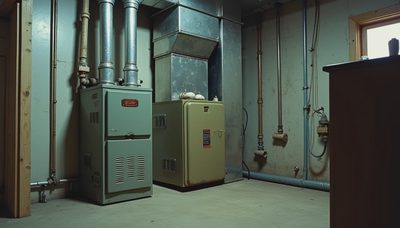
When an ac turns on then shuts off, listen to what stops first. If the indoor blower keeps running while the outdoor unit quits, the problem may be outside at the condenser, such as a capacitor, contactor, high-pressure switch, or overheating compressor. If both indoor and outdoor equipment stop together, the thermostat, low-voltage wiring, condensate safety switch, or control board becomes more likely.
Check whether the air from the vents is genuinely cold or merely room temperature. Notice whether the outdoor fan is spinning, whether the unit hums without starting, and whether the circuit breaker trips. These details give a technician useful information and can prevent random part replacement.
Safe checks you can make first
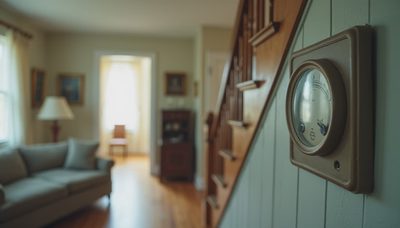
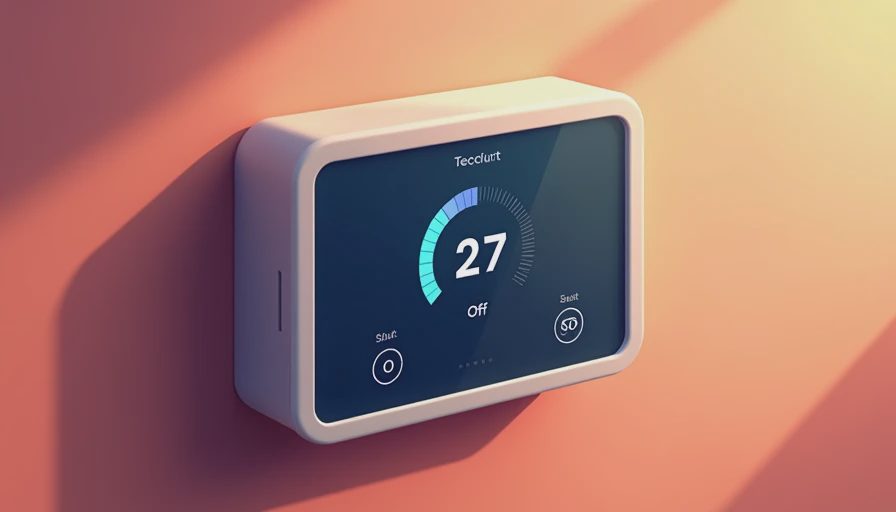
Set the thermostat to cooling, place the fan setting on Auto, and lower the temperature several degrees below the room temperature. If the thermostat has batteries, replace them. A loose battery connection, a dirty sensor, or a thermostat mounted near a lamp can create confusing cycling behavior. Do not keep lowering the setting if the equipment does not respond; that will not force a defective system to cool properly.
Next, inspect the return-air filter. A packed filter restricts airflow, causes the evaporator coil to get too cold, and can trigger an internal safety shutdown. Replace a disposable filter with the correct size rather than forcing a thicker filter into a narrow slot. Also confirm that supply registers and return grilles are open and not blocked by furniture, curtains, or storage boxes.
Look at the outdoor condenser from a safe distance. Remove leaves and grass around the cabinet, but do not spray electrical controls or reach through the grille while power is connected. If you see ice on the refrigerant line or indoor coil area, turn cooling off and set the fan to Auto. Ice usually indicates an airflow or refrigerant problem, and continuing to run the compressor can cause additional damage.
Common causes in an older house
One frequent cause is a weak run capacitor. This component helps the condenser motor and compressor start and run at the proper electrical level. A failing capacitor can produce a hum, a brief startup, or an outdoor fan that stops quickly. Capacitors store electrical energy even after the system is switched off, so replacement is a technician job rather than a weekend test.
A dirty condenser coil can also make the system shut down on a high-pressure safety control. Older homes often have condensers near shrubs, porches, or dusty driveways where debris accumulates. Low refrigerant from a leak may cause the evaporator coil to freeze, while an oversized replacement air conditioner can cool the thermostat location too quickly without removing enough humidity from the rest of the house.
A clogged condensate drain is another possibility. When water backs up in the drain pan, a float switch may cut power to the cooling circuit to protect the ceiling, wall, or floor below. Look for water near the indoor air handler, but do not bypass the safety switch. In an old house, a hidden drain line may run through a crawl space or attic, so the visible puddle may not be near the actual blockage.
When ac turns on then shuts off needs a professional
Call an HVAC contractor promptly if the system repeatedly starts and stops, the breaker trips, there is a burning smell, the outdoor unit only hums, or ice returns after the filter is changed. Turn the system off at the thermostat if you hear grinding, loud buzzing, or repeated clicking from the condenser. These signs can point to electrical failure or compressor strain.
A trustworthy local contractor should measure voltage and amperage, test the capacitor, inspect the contactor, verify airflow, check the condensate safety circuit, and measure refrigerant pressures when appropriate. They should explain what failed and show you the evidence instead of immediately recommending a complete replacement. Ask whether the proposed repair addresses the cause or only restores operation temporarily.
Typical service-call pricing often falls around $100 to $200, while a capacitor or contactor repair may land between $200 and $500 depending on access and local labor rates. Refrigerant leak diagnosis, coil work, blower repairs, and control boards can cost more. A compressor replacement can reach several thousand dollars, which is why early diagnosis matters.

Repair or replace the air conditioner?
If the equipment is under about 10 years old, properly sized, and the repair is a modest electrical or drainage fix, repair is often sensible. Keep records of the part installed and ask about the warranty on labor and components. A system that has been maintained and has a sound heat exchanger, blower, duct system, and refrigerant circuit may have useful life remaining.
Replacement deserves serious consideration when the unit is 12 to 15 years old, uses obsolete refrigerant, has repeated leaks, or needs a compressor and coil at the same time. In an old home, do not accept a replacement quote based only on the size of the existing equipment. Contractors should review insulation, window exposure, duct leakage, attic temperature, and room-by-room comfort before selecting a new system.
A smaller, correctly sized system can sometimes improve humidity control even if its capacity is lower than the old unit. However, sizing and duct design must be calculated rather than guessed. Fix the real problem, not just the visible one: installing new equipment will not solve crushed ducts, a missing return grille, or severe attic heat.
How to prevent another short cycle
After the repair, replace filters on a schedule suited to the home, keep vegetation several feet from the outdoor condenser, and have the drain inspected before the cooling season. Ask the technician to check temperature split, airflow, electrical connections, and the condition of the insulation on accessible refrigerant lines. These simple checks can reveal trouble before the first hot week of summer.
If the ac turns on then shuts off again after service, write down the cycle length, outdoor temperature, thermostat setting, and which component stops first. A short phone video of the thermostat and outdoor unit can help, as long as you stay away from exposed wiring. Also note whether the problem occurs only during the hottest afternoon hours or at every startup.
Older homes usually give warning signs before they give you a bill. Treat repeated cycling as useful information, not a reason to panic. Start with the filter, thermostat, airflow, and visible drainage symptoms, then hire a contractor who can test the system in sequence. That approach gives you a better chance of paying for the failed part, protecting the compressor, and making a sound repair-or-replace decision.