Many older homes were built with limited or no intentional attic ventilation. Over the decades, insulation was added, exhaust fans were installed, and the original air pathways changed. When the attic and the living space can no longer move air effectively, the results appear as discomfort, moisture problems, and faster wear on the roof deck.
Understanding what bad ventilation does to comfort, moisture, and roof life helps you recognize the patterns that point back to airflow rather than to the heating equipment or the roof covering alone. This article outlines the common effects and the observations that confirm whether ventilation is contributing to the issues you see.
How Ventilation Is Supposed to Work in an Older House
Airflow through the attic serves two main purposes. It removes moisture that rises from the living space, and it helps moderate the temperature of the roof deck. In summer, moving air carries heat out of the attic so less of it transfers into the rooms below. In winter, it reduces the chance that moist indoor air will condense on cold roof sheathing.
Whole-house ventilation—through exhaust fans, openable windows, and controlled fresh-air paths—manages humidity and indoor air quality in the occupied spaces. When either the attic or the living-space airflow is restricted, moisture and heat accumulate where they cause problems.
On older homes the original design often relied on passive openings that have since been blocked by insulation, paint, or later construction. The result is an attic or a set of rooms that can no longer dry or cool as intended.
Effects on Comfort
Uneven temperatures are one of the most noticeable results of poor ventilation.
Hot upstairs rooms in summer
When the attic cannot exhaust heat, the roof deck and the air beneath it become significantly warmer than the outdoor air. That heat radiates downward into the upper floor. Even with the air conditioner running, the rooms directly under a hot attic feel warmer and the system works longer to maintain the thermostat setting.
Stuffy or stagnant air
Limited air movement in the living space allows humidity and odors to linger. Rooms that feel close even when the temperature is moderate often lack adequate exhaust or fresh-air supply. Closed-up older houses with few operable windows and no mechanical ventilation are especially prone to this condition.
Cold spots and drafts in winter
Poorly ventilated attics can contribute to ice dams and to cold surfaces at the ceiling. At the same time, air leakage from the living space into the attic creates pressure differences that pull cold outdoor air in through other openings, producing drafts that the heating system must overcome.
Comfort complaints that persist after the heating and cooling equipment has been serviced frequently trace back to these airflow limitations.
Effects on Moisture
Moisture problems are often the more serious long-term consequence.
Condensation on the roof deck
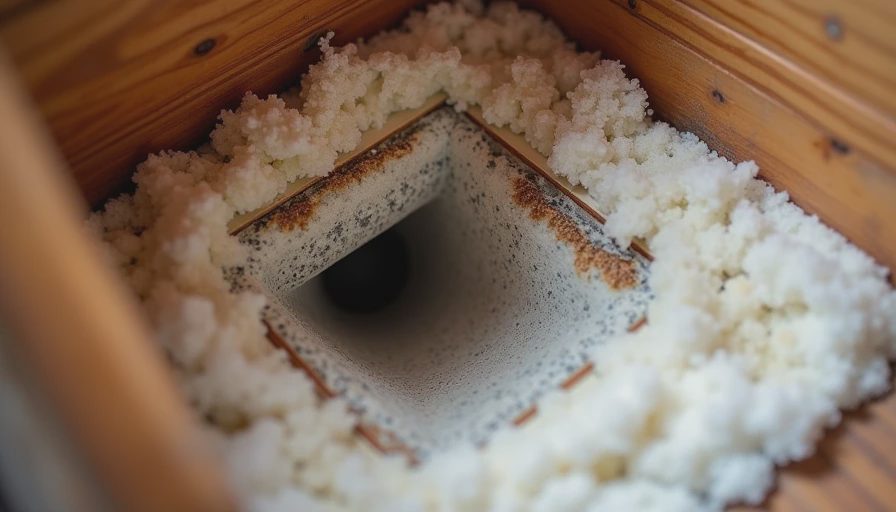
Warm, moist air from the house rises into a cold attic through gaps around light fixtures, attic hatches, and framing penetrations. When the attic lacks enough ventilation to flush that air out, the moisture condenses on the underside of the cold roof sheathing. Over time the repeated wetting can stain the wood, support mold growth, and soften the decking.
Elevated indoor humidity
Without adequate exhaust of moisture from kitchens, baths, and laundry, humidity levels remain higher than the outdoor air and the building materials can handle. Condensation on windows, musty odors, and dampness in closets or exterior corners are common signs.
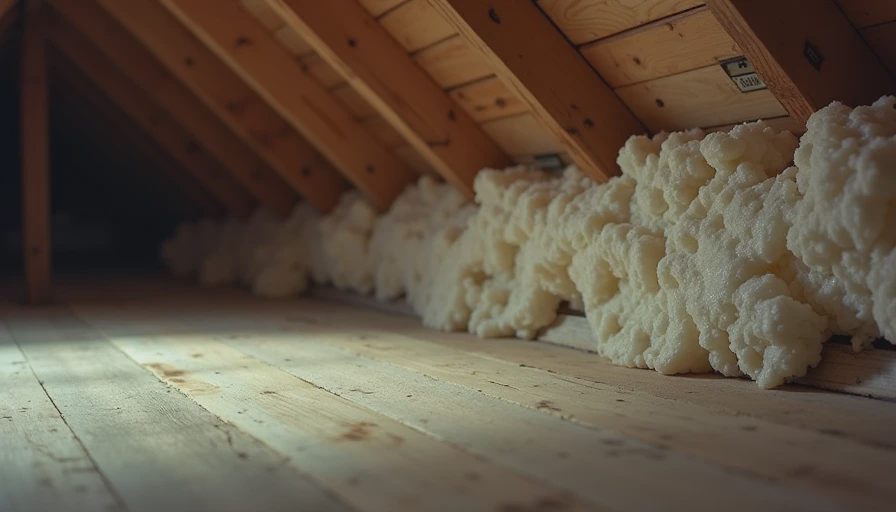
Persistent dampness in the attic insulation
Insulation that stays damp loses its thermal value and keeps the roof deck wetter longer. The combination of moisture and reduced R-value increases both energy use and the risk of wood decay.
Moisture that originates from poor ventilation is often mistaken for a roof leak. Timing relative to outdoor temperature and indoor humidity, rather than to rain events, helps separate the two.
Effects on Roof Life
The roof covering and the deck beneath it are affected by the temperature and moisture conditions in the attic.
Accelerated aging of shingles
A hot attic raises the temperature of the roof surface. Higher temperatures shorten the life of asphalt shingles by accelerating the loss of oils and the breakdown of the mat. Roofs over poorly ventilated attics often show earlier granule loss, curling, and cracking than similar roofs over cooler, well-ventilated spaces.
Moisture-related deck deterioration
Repeated condensation keeps the roof sheathing damp. Soft or stained decking reduces the solid nailing surface for the roof covering and can require replacement when the roof is eventually renewed.
Ice-dam risk in cold climates
Warm air leaking into a poorly ventilated attic melts snow on the roof from below. The water runs down to the colder eaves and refreezes, forming ice dams that force water under the shingles. Proper attic ventilation and air sealing reduce the temperature difference that drives this cycle.
Addressing ventilation therefore protects both the comfort of the house and the service life of the roof.
Practical Signs That Ventilation Needs Attention
Several observations point toward airflow problems.
Attic temperatures far above outdoor temperatures in summer
If the attic feels dramatically hotter than the outside air on a warm day, heat is building up rather than being exhausted.
Frost or condensation on the underside of the roof deck in winter
Visible moisture or frost on the sheathing, especially on the colder sides of the roof, indicates that moist air is reaching cold surfaces faster than ventilation can remove it.
Blocked soffit or ridge vents
Insulation that covers the soffit vents, or ridge vents that are painted shut or obstructed, prevent the intended intake and exhaust paths from working.
Ice dams or extensive ice at the eaves
Recurring ice dams along the lower roof edge often signal that warm air is entering the attic and melting snow from below.
Persistent humidity or musty odors indoors
High indoor humidity that does not track outdoor conditions, or musty smells that linger despite dry weather, suggest that moisture is not being exhausted effectively.
Documenting these conditions with photographs and notes about timing helps when you discuss the house with a contractor.
A Simple Evaluation Sequence
You can check the main pathways without specialized equipment.
Inspect the attic on a warm day and on a cold day
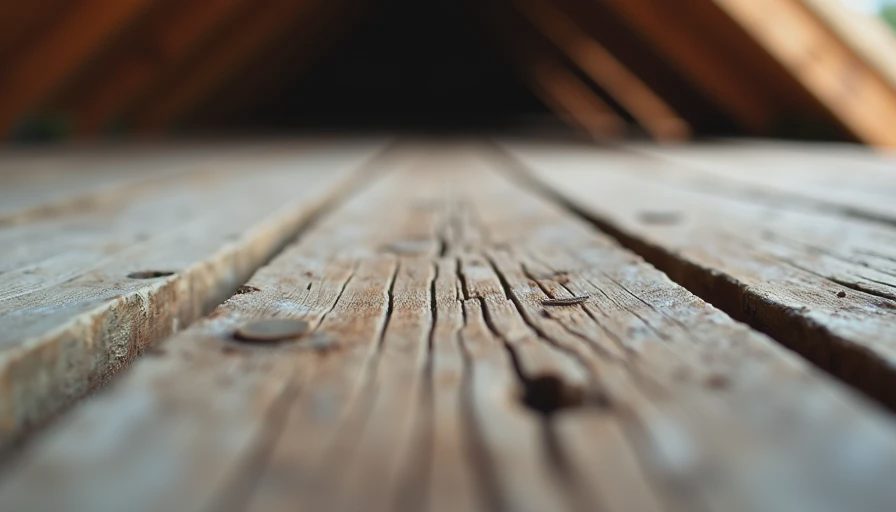
Note the temperature difference relative to outdoors, the presence of moisture or staining on the deck, and whether insulation is blocking the eaves.
Confirm that intake and exhaust vents are open
Look at the soffits from outside and from the attic. Check the ridge or gable vents for obstruction.
Observe ice-dam locations and interior moisture patterns
Map where ice forms and where indoor condensation or mustiness appears. Patterns that align with attic conditions support a ventilation diagnosis.
Review exhaust fan terminations
Confirm that bath and kitchen fans duct to the exterior rather than into the attic. Fans that discharge into the attic add moisture exactly where it causes the most problems.
Questions to Ask When Seeking Help
A contractor familiar with older homes should be able to discuss ventilation alongside insulation and air sealing. Consider asking:
Are the existing soffit and ridge (or gable) vents adequate and unobstructed for this roof and climate?
How much air leakage from the living space into the attic is contributing to moisture and heat problems?
What combination of air sealing, insulation adjustment, and ventilation improvement is likely to address the observed conditions?
How will the proposed changes affect roof-deck temperature and moisture in both summer and winter?
Clear answers that refer to the specific attic and roof conditions are more useful than generic product recommendations.
Putting the Effects in Context
Bad ventilation in an older home raises attic temperatures, allows moisture to accumulate on the roof deck and in the insulation, and shortens the life of the roof covering. At the same time it contributes to uneven indoor temperatures and persistent humidity.
Start by checking whether the attic can move air freely, whether insulation is blocking the intended pathways, and whether moisture or heat patterns match a ventilation problem rather than a simple equipment or roof-covering issue. Correcting the airflow—often in combination with air sealing and insulation adjustments—improves comfort, reduces moisture risk, and helps the roof last longer.
Older houses frequently show these effects gradually. Paying attention to attic temperature, deck moisture, and indoor humidity patterns helps you address the ventilation limitations before they produce larger comfort or durability problems.