When an older furnace or air conditioner struggles, replacement feels like the direct solution. A new, higher-efficiency unit promises better comfort and lower energy use. In many older homes, however, the new equipment is installed into the same leaky, poorly insulated, and unevenly ducted house that defeated the old system. The result is a large expense that delivers only modest improvement.
Replacing HVAC without looking at the house envelope can waste money because the equipment is only one part of how heat and air move through the building. Air leakage, insulation levels, duct losses, and ventilation all influence how much conditioned air is needed and how evenly it reaches the rooms. This article explains the practical reasons the envelope and distribution system deserve attention at the same time as the equipment.
What the House Envelope Controls
The envelope is the boundary between the conditioned interior and the outdoors—walls, roof, floors, windows, and all the joints and penetrations that connect them. Its condition determines how much heat the house gains or loses and how much outdoor air enters through leaks.
Air leakage
Gaps around windows, doors, attic hatches, recessed lights, plumbing penetrations, and framing joints allow outdoor air to enter and indoor air to leave. In winter the incoming air must be heated; in summer it often brings heat and humidity that the cooling system must remove. A new furnace or air conditioner sized for a tighter house will be oversized for a leaky one, or it will run longer and still leave rooms uncomfortable.
Insulation levels and continuity
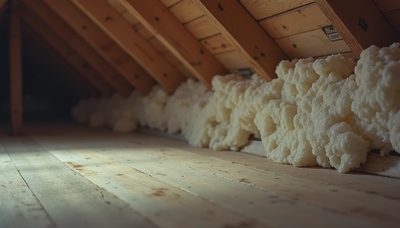
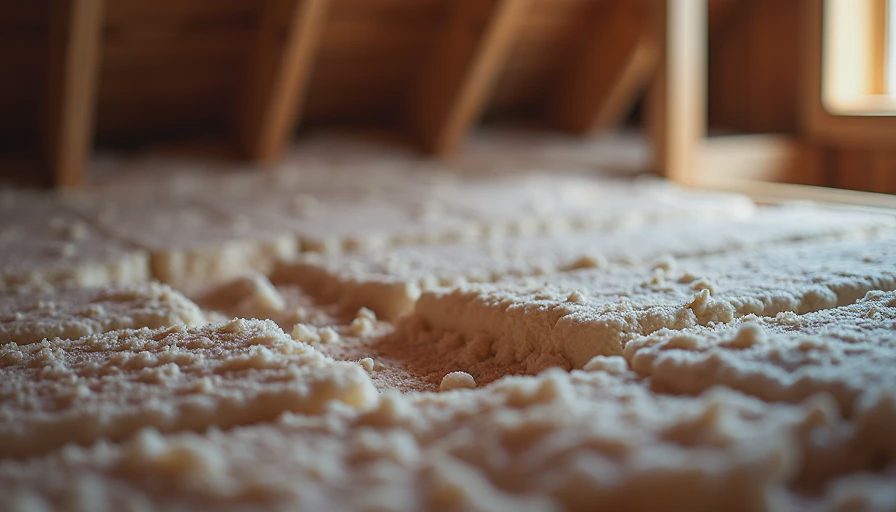
Thin or incomplete insulation in the attic, walls, and floors allows heat to move more freely. An upper floor under a poorly insulated attic will stay warmer in summer and cooler in winter regardless of the capacity of the new equipment. Gaps in the insulation create cold or hot spots that no amount of system upsizing fully erases.
Thermal bridging and older assemblies
Older framing, single-pane windows, and uninsulated rim joists conduct heat more readily than modern assemblies. These paths remain after the equipment is replaced and continue to drive load and discomfort.
When the envelope is left unchanged, the new system must overcome the same losses and gains the old system faced.
How Ductwork Compounds the Problem
Even well-sealed and insulated equipment cannot deliver comfort if the ducts lose capacity or distribute air poorly.
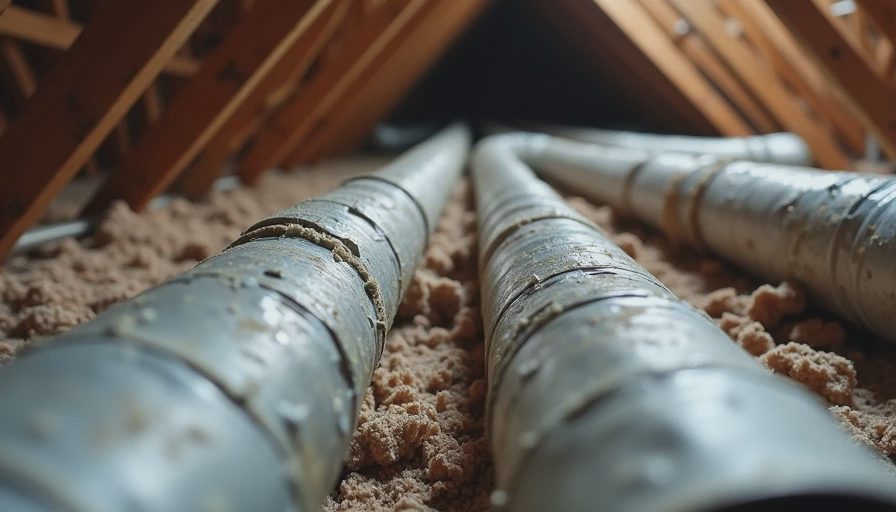
Leaky ducts in unconditioned spaces
Ducts that run through attics, crawl spaces, or garages and that have loose joints or missing insulation lose heating and cooling before the air reaches the rooms. A new high-efficiency unit feeding leaky ducts still delivers far less than its rated capacity to the living space.
Undersized or poorly laid-out runs
Original duct systems were sometimes designed for different equipment or lower comfort expectations. Weak airflow at distant registers and rooms that never catch up persist after equipment replacement if the distribution layout is not addressed.
Inadequate return paths
Closed doors, missing transfer grilles, or returns located only on one floor restrict circulation. The new equipment may produce enough conditioned air, yet the air cannot move freely through the house.
Ignoring the ducts while replacing the furnace or air conditioner leaves a major source of inefficiency and uneven temperatures in place.
Comfort Problems That Survive Equipment Replacement
Owners often expect a new system to eliminate long-standing complaints. When the envelope and ducts are left as they are, several problems commonly remain.
Uneven temperatures between floors or rooms
A hot upstairs and cool downstairs, or rooms that lag behind the thermostat, usually reflect air leakage, insulation gaps, and distribution imbalances. New equipment sized to the old load does not automatically correct these patterns.
Short cycling or long run times
An oversized system short-cycles; an undersized one runs continuously. Both behaviors can continue after replacement if the load calculation did not account for the actual air leakage and insulation levels of the house.
Persistent drafts and cold surfaces
Drafts at windows and outlets, and cold exterior walls or ceilings, are envelope issues. The new system may heat or cool the air, yet the surfaces and the incoming outdoor air still create discomfort.
High humidity or dryness
Moisture control depends on both equipment capability and the rate at which outdoor air and indoor moisture sources enter the space. Envelope leakage and inadequate ventilation can keep humidity problems alive after the equipment is changed.
These outcomes are expensive when they appear after a major investment in new machinery.
A Practical Sequence That Protects the Investment
Evaluating the envelope and ducts before or alongside equipment decisions reduces the chance of wasted spending.
Measure or estimate air leakage and insulation
A blower-door test provides a clear number for air leakage. Even without a formal test, a careful visual inspection of the attic, rim joists, windows, and penetrations reveals major pathways. Attic insulation depth and coverage are easy to check.
Inspect accessible ducts
Look for disconnected sections, obvious gaps at joints, and missing insulation on runs in unconditioned spaces. Note rooms with weak supply airflow.
Observe existing comfort patterns
Map which rooms are chronically too hot or too cold and under what outdoor conditions. These patterns point to the loads and distribution issues the new system will still face.
Size the new equipment to the improved house
If air sealing, insulation upgrades, or duct sealing are realistic, the heating and cooling load drops. Equipment sized to the reduced load will operate more efficiently and with better comfort than equipment sized to the original leaky house.
Performing these steps before locking in equipment size and cost keeps the investment matched to the actual house.
What a Thorough HVAC Proposal Should Address
A contractor experienced with older homes should be able to discuss the envelope and ducts as part of the system decision.
Load calculation that reflects current conditions
Ask whether the sizing is based on a calculation that includes measured or estimated air leakage and insulation levels, or whether it simply matches the old equipment capacity.
Duct performance
The proposal should note the condition of the ducts and any sealing, insulation, or balancing work included or recommended.
Envelope improvements that change the load
If air sealing or insulation work is practical, the contractor should explain how it affects equipment size and expected performance.
Realistic comfort expectations
Clear statements about which existing comfort problems the new system is likely to improve, and which ones depend on envelope or duct work, prevent later disappointment.
Questions Worth Asking Before You Commit
Consider asking:
How much of the current comfort problem appears to come from the equipment versus air leakage, insulation, or ducts?
Has the proposed equipment been sized to the house as it stands, or to the house after recommended envelope and duct improvements?
What duct sealing or insulation work is included, and what remains for later?
Which rooms are likely to remain uneven if only the equipment is replaced?
What simple envelope steps would give the new system the best chance of delivering the expected comfort?
Answers that refer to the specific conditions in your attic, ducts, and rooms are more useful than generic efficiency claims.
Putting the Envelope First
New HVAC equipment can improve comfort and efficiency in an older home, but only if the air it conditions stays inside and reaches the rooms that need it. Air leakage, inadequate insulation, and duct losses force the system to work harder and still leave temperature and humidity problems unsolved.
Start by looking at the attic insulation and ventilation, the obvious air-leakage paths, and the condition of the ducts. Use that information to decide whether modest envelope and duct improvements should precede or accompany the equipment change. Sizing the new system to the improved house rather than to the original leaky one protects the investment and gives the equipment a realistic chance to deliver the comfort it is capable of providing.
Older homes often punish the approach of replacing machinery while leaving the building envelope unchanged. Checking the house itself first is one of the most effective ways to avoid spending money on a system that cannot overcome the conditions around it.