When a house stays warm for 30 minutes or more after the air conditioner starts, it is reasonable to ask, “why does my ac take so long to get cold?” In an older home, slow cooling can come from the equipment, ductwork, insulation, windows, or a combination of problems. The thermostat may say 72 degrees while the upstairs bedroom still feels close and stale. Before buying a new system, know what matters first: identify whether the AC is producing cold air, moving enough air, and keeping that cooled air inside the house.
Start with the easiest AC checks
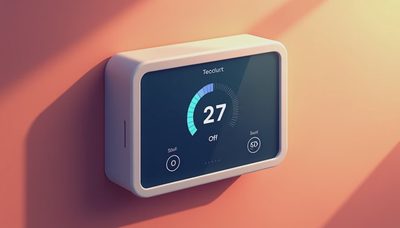
Set the thermostat to cooling mode and lower the temperature at least three degrees below the current room temperature. Confirm the fan is set to Auto rather than On, and check whether the outdoor condenser is running. A working system usually produces a noticeable temperature difference between the return-air temperature and the supply-air temperature, although a technician should make the precise measurement with proper instruments.
Next, inspect the filter. A dirty filter restricts airflow, makes the evaporator coil colder, and can eventually cause the coil to freeze. In many homes, a basic one-inch filter needs replacement every one to three months, depending on dust, pets, smoke, and renovation work. Do not automatically choose the most restrictive filter available; an oversized filtration rating can reduce airflow in an older system that already has weak ductwork.
Look at the outdoor unit as well. Remove leaves, grass, and cottonwood fluff from around the cabinet, but turn off power before attempting any cleaning. The condenser needs open space to release heat. If it starts and stops rapidly, hums without running, or forms ice on the refrigerant line, shut the system down and schedule service rather than repeatedly resetting it.
Why does my ac take so long to get cold when airflow is weak?
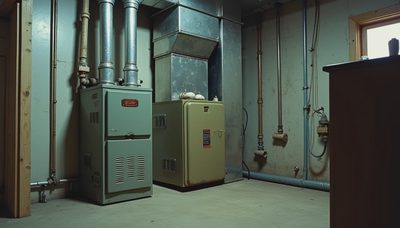
Poor airflow is one of the most common explanations. You may hear the indoor blower running, yet only a small amount of air comes from the registers. Closed supply vents, crushed flexible ducts, disconnected basement ducts, blocked returns, or an undersized return grille can all reduce circulation. Older houses often have ductwork added in stages, so a remodeled room may receive a long, poorly insulated branch that loses much of its cooling before it reaches the register.
Walk through the house with the system running. Compare the airflow at several registers and look for rooms that never receive much air. Make sure furniture, rugs, and curtains are not covering vents. Keep interior doors slightly open if a closed room has no return grille. A contractor should inspect the accessible ductwork, measure airflow, and look for leakage rather than simply recommending a larger air conditioner.
A larger unit is not automatically better. An oversized AC can cool the thermostat area quickly but shut off before removing enough humidity. That leaves the home clammy and creates uneven temperatures. Correct sizing depends on the house, insulation, windows, climate, and duct design, not just the square footage printed in a sales brochure.
Refrigerant, coil, and condenser problems
If airflow seems normal but the air is not truly cold, the refrigeration side deserves attention. Low refrigerant can result from a leak, not normal consumption. Common clues include ice on the indoor coil or copper line, hissing sounds, weak cooling, and an outdoor unit that runs for unusually long periods. Adding refrigerant without finding the leak is a temporary fix and can leave you paying for the same repair again.
A dirty evaporator coil can also restrict heat transfer. Dust, construction debris, and pet hair collect where the filter did not catch them. The outdoor condenser coil may be packed with dirt, causing high pressure and poor performance. Capacitors, contactors, blower motors, and aging compressors can fail intermittently, especially during a hot afternoon. Repair prices vary by part and access, but a basic service visit often costs roughly $100 to $250, while refrigerant leak repairs or major electrical components can run several hundred dollars or more.
When homeowners ask why does my ac take so long to get cold, many are describing a system that runs continuously without reaching the set temperature. That is more concerning than a normal short delay after startup. Continuous operation can indicate a mechanical problem, excessive heat gain, or a system that is simply too old for the demand placed on it.
The old-house problems outside the AC unit
Your air conditioner may be working correctly while the house defeats it. Uninsulated attic floors, hot rooms under a roof, leaky windows, and sun-exposed walls add heat faster than the system can remove it. In an older house, air leaks around window trim, attic hatches, recessed lights, plumbing penetrations, and chimney gaps can create a steady stream of hot air.
Check the attic on a hot day if it is safely accessible. Compressed or missing insulation is a warning sign, especially above the warmest rooms. Weatherstripping and caulk can improve comfort around windows, but do not seal over active moisture problems. If a room has water stains, musty insulation, or damaged framing, fix the moisture source before covering the symptom with insulation.
A practical improvement might cost $150 to $600 for targeted air sealing, while attic insulation can range from about $1,500 to $5,000 depending on access and house size. Those projects do not replace a failing AC, but they can reduce runtime and make upstairs rooms more comfortable.

Why does my ac take so long to get cold at night?
Nighttime behavior can reveal a different problem. If the house cools only after the sun goes down, solar heat gain or inadequate attic insulation may be overwhelming the system during the afternoon. If the upstairs remains warm all night, weak duct airflow, a poor return-air path, or a thermostat located downstairs is more likely. A thermostat measures one spot, not every bedroom.
Try recording the indoor temperature in three locations for several hours: near the thermostat, in the warmest room, and near a supply register. Note the outdoor temperature, system runtime, and whether the indoor unit cycles off. This simple log gives a technician better information than saying the AC “seems weak.” It also helps separate a comfort-balancing issue from a system that cannot meet the load.
Do not close numerous downstairs registers to force air upstairs. That can raise duct pressure and reduce total airflow. A contractor may recommend a return grille, duct balancing, zoning controls, or insulation improvements, depending on the diagnosis.
When repair makes sense and when replacement does not
A relatively young, well-maintained system with a failed capacitor, clogged coil, or damaged contactor often deserves repair. A 15-year-old unit with a leaking coil, failing compressor, obsolete refrigerant, and poor ductwork requires a broader comparison. Replacement costs commonly range from several thousand dollars to well above $10,000 for a whole-home system with difficult access, new ductwork, or electrical upgrades.
Get a written diagnosis before approving replacement. It should identify measured temperatures, airflow concerns, refrigerant findings, equipment age, and the reason the proposed size is appropriate. If a salesperson immediately recommends a larger unit without inspecting the attic, ducts, and house layout, get another opinion. A trustworthy local contractor should be able to explain this clearly.
A sensible next step for homeowners
If you are still asking why does my ac take so long to get cold, begin with the filter, thermostat setting, open vents, and outdoor-unit clearance. Then track runtime and temperatures instead of guessing. Stop operating the system if you see heavy ice, smell burning, hear grinding, or notice water leaking near the indoor unit.
The best repair fixes the real problem, not just the visible one. Sometimes that is a $20 filter; sometimes it is a leaking duct, failing capacitor, attic heat problem, or end-of-life system. Document what you observe, request an itemized inspection, and compare at least two qualified local contractors before committing to expensive work. Older homes usually give warning signs before they give you a bill, and a slow-cooling AC is one of those signs.