An emergency roof leak can turn a quiet night into a scramble involving buckets, towels, ceiling stains, and expensive uncertainty. In an older house, water may travel along rafters, insulation, wiring, or plaster before it appears indoors. The visible drip is not always the original entry point. Know what matters first: stop the immediate damage, protect people and belongings, then find the real roof problem instead of covering up the symptom.
What to do during an emergency roof leak
Start inside, and do not climb onto the roof during rain, high winds, lightning, or icy conditions. Place a container under active drips and move furniture, electronics, rugs, and boxes away from the wet area. If water is near a light fixture, outlet, or electrical panel, turn off power to that area only if you can do so safely. Never touch a wet electrical device.
A bulging ceiling deserves special attention. Water trapped above plaster or drywall can add significant weight and eventually collapse. Keep people out from underneath it, and do not poke a hole unless a qualified professional directs you and you understand where wiring may be located. Photograph the ceiling, exterior roofline, damaged belongings, and any temporary measures. These records can help with a homeowners insurance conversation, though coverage depends on the policy, cause, and maintenance history.
An emergency roof leak is not always solved by placing a tarp over the shingles. A tarp can reduce incoming water as a temporary measure, but it must be secured without creating new punctures or sending water behind siding and trim. A roofer who offers emergency service can often make a safe temporary repair before completing a permanent fix.

Find where the water is really entering
Water commonly enters around deteriorated flashing, chimney intersections, plumbing vent boots, roof valleys, skylights, ridge caps, and missing or cracked shingles. In older homes, the roof may have several layers, patched areas, additions, or changes in slope that make diagnosis harder. The stain on a second-floor ceiling could be several feet away from the actual breach.
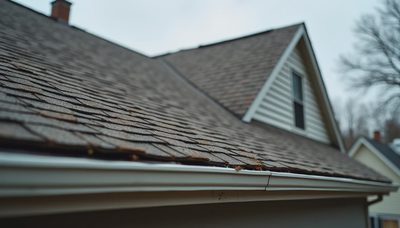
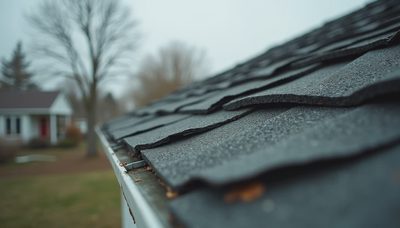
From the ground, look for slipped shingles, dark or lifted areas, exposed underlayment, sagging gutters, damaged fascia, and loose metal around a chimney. Do not rely on binoculars alone to declare the roof safe. If the attic is accessible, inspect only from a stable floor surface or walkway. Look for damp insulation, water trails on rafters, rusty nails, mold-like discoloration, and daylight showing through the roof deck. Avoid stepping between joists.
During an emergency roof leak, the timing of the drip can offer a clue. Water appearing only during wind-driven rain often points to flashing, a sidewall, or a poorly sealed penetration. Water that continues after the storm may be trapped in insulation or roof framing. A contractor should trace the path rather than simply replace the shingle nearest the stain.
Temporary repairs versus permanent repairs
A temporary repair buys time; it does not restore the roof assembly. Roofing cement smeared over a broad area can hide the source and make later repairs more difficult. Likewise, stuffing insulation against a wet roof deck traps moisture and slows drying. Use a tarp only as a short-term protective measure, and ask the roofer how it will be attached without damaging sound materials.
Permanent work depends on the cause. A few missing shingles may require replacement shingles, new fasteners, and properly installed underlayment. Failed chimney flashing may require carefully removing old mortar, rebuilding flashing details, and sealing the joint correctly. A deteriorated valley or widespread brittle shingles may justify a larger repair. The cheapest invoice is not useful if the same stain returns after the next storm.
If an emergency roof leak has wet insulation, plaster, drywall, framing, or flooring, drying is part of the repair. Fans and dehumidifiers can help after electrical safety is confirmed. Porous materials that stay wet can develop odor, staining, or microbial growth. Ask who is responsible for moisture removal and whether the roofer coordinates with a water-mitigation company.

How to choose a trustworthy local roofer
When calling for an emergency roof leak, describe the roof type, approximate age, location of the interior damage, whether water is still entering, and whether a chimney or skylight is nearby. Send clear photos if requested, but do not let a remote estimate replace an on-site inspection. Emergency service commonly costs more than scheduled work, often adding a service charge or after-hours labor. A straightforward temporary visit might run roughly $250 to $700, while permanent repairs can range from several hundred dollars to several thousand depending on access and damage.
A trustworthy local contractor should be able to explain this clearly: where water appears to enter, what can be stabilized today, what requires permanent work, and how the price was calculated. Ask for proof of licensing where required, liability insurance, workers' compensation coverage, references, and a written scope. Be cautious with anyone demanding full payment before inspection, pressuring you to sign immediately, or claiming that every old roof needs replacement without showing evidence.
Get at least two opinions when conditions are safe, even if one contractor has already installed a tarp. Compare materials, flashing work, deck repairs, cleanup, warranty terms, and exclusions rather than comparing only the bottom-line price. National companies such as Owens Corning or GAF may provide specified roofing systems through local contractors, but the installation details and contractor reputation still matter more than the logo on a shingle package.
Repair or replace the roof?
Age alone does not answer the question. A well-maintained roof with one failed vent boot may be repairable, while a newer roof with widespread installation defects may need substantial correction. Look at the pattern: isolated damage, repeated leaks in several locations, widespread granule loss, curling shingles, soft decking, and failing flashing all point to different decisions.
Replacement becomes more reasonable when repairs are frequent, materials are brittle, multiple roof planes are failing, or the deck and ventilation need correction. In many regions, a complete asphalt shingle replacement may cost approximately $8,000 to $20,000 or more for a typical house, with steep slopes, complex additions, slate, tile, and structural repairs increasing the total. Those figures are planning ranges, not a substitute for a detailed local estimate.
Fix the real problem, not just the visible one. If the roof is sound but gutters overflow against the fascia, correcting drainage may prevent another interior leak. If attic condensation resembles a roof leak, the solution may involve ventilation, insulation, or an unsealed bathroom exhaust fan.
A practical next-day checklist
Once the immediate water is controlled, save photos, receipts, contractor messages, and estimates in one folder. Mark the interior stain with the date so you can tell whether it expands. Check the attic after the next rain, but do not enter unsafe areas. Ask the roofer to identify the entry point, explain whether the roof deck is sound, and separate emergency stabilization from permanent repair.
Then inspect connected systems. Clean leaves from gutters, confirm that downspouts discharge away from the foundation, and look for rot at fascia and soffits. Review your insurance policy and contact the carrier if the damage may be covered, especially before discarding damaged materials. Coverage often treats sudden storm damage differently from long-term wear or deferred maintenance.
An emergency roof leak feels urgent because it is urgent, but panic makes poor repairs more likely. Protect the house tonight, document what happened, and hire someone who can explain the next step in plain language. Older homes usually give warning signs before they give you a bill; careful diagnosis is how you catch the warning before the next storm does more damage.