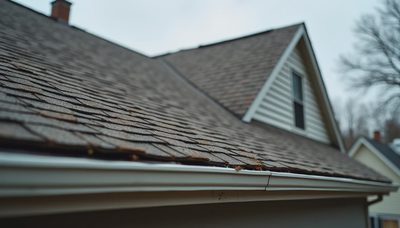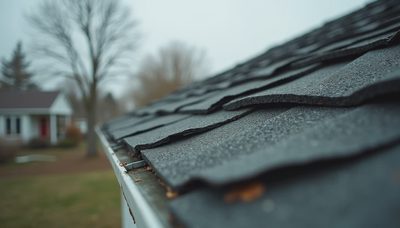
Roofing maintenance for aging roofs is less about making an old roof look new and more about stopping small failures before they spread into the attic, walls, insulation, and ceilings. An aging roof can still protect a house for years, but only when a homeowner understands which warning signs matter first. A missing shingle is visible; loose flashing around a chimney can be less obvious and far more responsible for repeated leaks.
Older homes usually give warning signs before they give you a bill. The key is to inspect the roof regularly, document changes, and fix the real problem rather than covering the visible stain indoors. Roofing maintenance for aging roofs works best as a planned process, not a frantic response after water starts dripping during a storm.
Start with a realistic roof assessment
Begin with the roof's age, material, slope, and repair history. Asphalt shingles commonly last about 15 to 30 years, while well-maintained metal, slate, tile, or wood roofs can have very different service lives. Age alone does not prove that replacement is necessary, but it changes how closely you should watch the system. A 22-year-old asphalt roof with brittle shingles deserves a different plan from a 12-year-old roof with one damaged area.
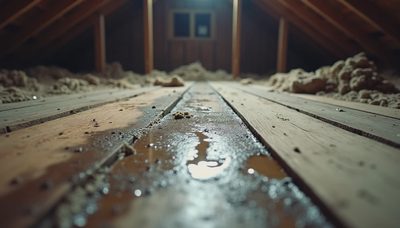
Do not climb onto a steep, wet, or fragile roof. From the ground, look for curling or lifted shingle edges, bald patches where granules have worn away, sagging lines, exposed underlayment, and dark areas that stay wet after nearby surfaces dry. Inside the attic, inspect after rain for damp insulation, water trails, rusty nails, stained decking, or a musty smell. Water can travel along rafters before appearing in a ceiling, so the interior stain is not always directly below the entry point.
A roof inspection should include valleys, ridge areas, plumbing vent boots, skylights, chimneys, and the edges where roofing meets siding. These transitions fail frequently because they depend on flashing and sealants, not just shingles.

Put repairs in the right order
The first priority is active water entry. A small leak around a chimney or valley can damage sheathing and framing each time it rains. Temporary measures such as a properly placed tarp can limit damage while you arrange a permanent repair, but roofing cement smeared over a large area is rarely a durable solution.
Next, address conditions that can create a leak soon: missing shingles, loose flashing, cracked vent boots, open nail heads, damaged ridge caps, and clogged valleys. A qualified roofer should explain whether the repair involves replacing materials, resealing a joint, or rebuilding a section of flashing. Those are different tasks with different levels of durability.
Then look at drainage. Gutters packed with leaves can send water behind the fascia, while short downspouts can leave the foundation wet. Trim branches that rub against the roof, but do not let a tree-trimming job become a substitute for roof repair. Roofing maintenance for aging roofs includes the roof drainage system because water damage often begins at the edge and moves into soffits, fascia, walls, and basements.
Understand repair versus replacement
Repair usually makes sense when the main roof field remains sound and the trouble is concentrated in one or two locations. For example, replacing a few blown-off shingles and rebuilding chimney flashing can be reasonable if the surrounding shingles are flexible, the decking is dry, and previous repairs have not multiplied.
Replacement becomes more compelling when shingles are brittle across the roof, granules fill the gutters, leaks appear in several unrelated places, or the decking is soft. Replacing one section of a severely worn roof can create a patchwork result without solving the underlying problem. In some cases, a new roof installed over damaged decking or poor ventilation simply hides defects temporarily.
Costs vary by roof size, pitch, material, access, and location. A minor repair may cost a few hundred dollars, while extensive flashing or decking work can reach several thousand. A full asphalt-shingle replacement often lands in the several-thousand-dollar to five-figure range. Get a written scope that identifies tear-off, decking allowances, flashing, ventilation, disposal, permits, and warranty terms.
Roofing maintenance for aging roofs should help you make this decision with evidence rather than a sales pitch. Ask the contractor to show photographs of damaged areas and separate urgent work from improvements that can wait.
Check the attic and ventilation system
Many old houses have roof symptoms that begin in the attic. Warm, moist air from bathrooms, kitchens, or living spaces can condense on cold nails and roof decking. That moisture can look like a roof leak even when the shingles are intact. Bathroom fans should vent outdoors, not into the attic, and insulation should not block designed soffit airflow.
Poor ventilation can also shorten shingle life by creating excessive heat and moisture. The answer is not automatically to add a powered attic fan. A contractor should evaluate intake and exhaust ventilation together, because adding exhaust without enough intake can pull conditioned air from the house. Look for balanced soffit, ridge, gable, or other ventilation arrangements appropriate to the roof design.
During an attic inspection, press carefully on suspicious decking only if it is safe to do so. Soft wood, mold-like staining, separated plywood layers, or visible daylight deserves professional attention. Roofing maintenance for aging roofs is incomplete if the roof surface looks acceptable but the structure underneath is deteriorating.
Hire a contractor who explains the work
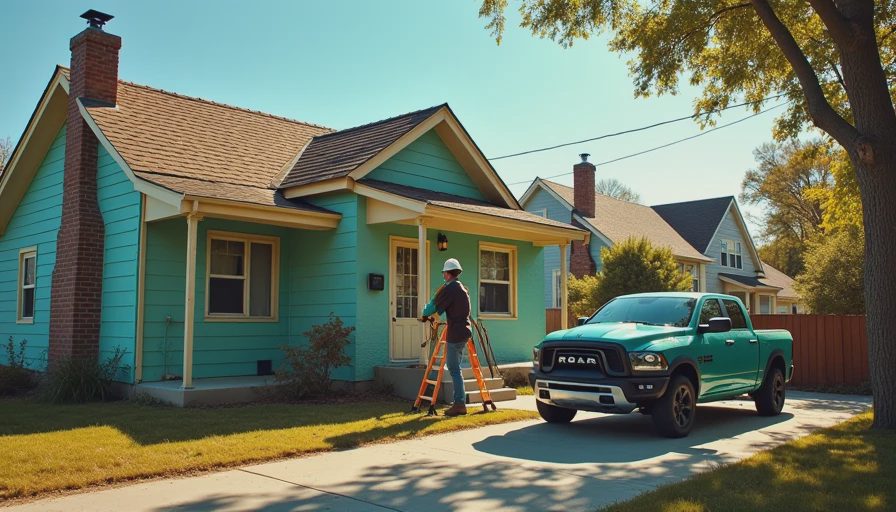
Collect at least two or three detailed proposals for substantial work. A trustworthy local contractor should be able to explain the cause of the problem, show where water is entering, describe the repair sequence, and identify what happens if hidden damage is found. The lowest bid is not automatically the best value if it excludes flashing replacement, ventilation corrections, or disposal.
Look for current licensing requirements where applicable, proof of liability and workers' compensation coverage, manufacturer training when relevant, and a written contract. Avoid large upfront payments and vague promises about an inspection that is “free” only if you sign immediately. Ask for local references involving similar roof types, especially if your home has slate, tile, wood shingles, an unusual pitch, or historic detailing.
Be cautious when a storm chaser claims that every roof on the block needs replacement. A legitimate inspection should distinguish wind damage from normal aging and should not pressure you to exaggerate an insurance claim. Roofing maintenance for aging roofs is ongoing work, so the contractor should discuss future inspections and small repairs, not only a complete tear-off.
Build a simple maintenance schedule
After repairs, walk the property from the ground twice a year and after major wind or hail. Clear gutters when leaves accumulate, confirm that downspouts discharge several feet away from the foundation, and remove small branches before they rub through shingles. Keep records of inspection dates, photographs, invoices, shingle colors, and materials used. Those notes help a future contractor understand what has already been repaired.
Have the roof professionally inspected when you notice a ceiling stain, attic moisture, repeated gutter granules, a new sag, or shingles scattered in the yard. Do not wait for a dramatic leak. A $400 flashing repair can become a much larger framing and interior restoration project when ignored through several seasons.
The best approach to roofing maintenance for aging roofs is practical: find the water path, protect the structure, improve drainage, and plan replacement when the roof has reached the end of its useful life. Know what matters first, ask for proof, and choose a contractor who can explain the work clearly. That process protects both the house and your renovation budget.