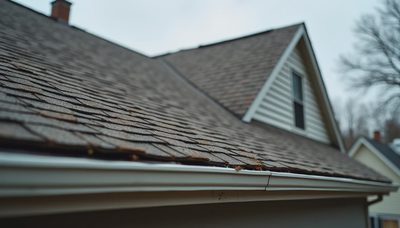
When you search for roof leaking what to do, you probably have a stain spreading across the ceiling, a drip landing in a bucket, or an attic that smells damp after rain. Start with control, not panic. Move furniture, place a container under the drip, and protect electrical fixtures below the wet area. Then work through the problem in a deliberate order. Older homes often have several layers of roofing, unusual framing, or past repairs that make the visible stain different from the actual entry point.
First steps when water is coming inside
If water is actively dripping, climb only as high as you can safely reach from inside the house. Do not walk on a wet roof, climb during lightning, or crawl into an attic without stable flooring and adequate lighting. Water can travel along rafters, roof decking, insulation, and ceiling joists before it appears indoors.
Use a bucket or plastic storage bin to catch water, but spread a towel around it to protect flooring. If the ceiling is bulging, do not stand directly underneath it. A water-filled section of drywall can become heavy and fail. Turn off power to a nearby light or room at the electrical panel only if you can do so safely and without stepping through standing water.
Take clear photos of the ceiling, attic, roof surface, damaged belongings, and any temporary measures. Photos create a useful timeline for a roofer and can support an insurance claim when covered damage is involved. Keep receipts for emergency tarping, cleanup, or damaged materials. Home insurance typically does not pay for gradual wear, but sudden storm damage and resulting interior damage can be handled differently under a policy.

How to locate the real leak
The first wet spot is not always the source. On a sloped roof, water may enter several feet above the ceiling stain and run along the underside of the roof deck. Common trouble spots include missing or cracked shingles, deteriorated flashing around chimneys, open seams near skylights, damaged plumbing vent boots, and valleys where two roof slopes meet.
In the attic, look for darkened wood, wet insulation, rusty fasteners, or a narrow water trail. Check the underside of the roof after rain, but do not press on soft decking. If the roof is dry, a roofer may use a controlled hose test, starting low and working upward in small sections. Spraying the entire roof at once creates confusion rather than a diagnosis.
Gutters and downspouts deserve attention too. A clogged gutter can overflow behind the fascia, while a short downspout can dump water beside the foundation. That does not always explain an attic drip, but it can cause rot along the roof edge and create a second moisture problem. Fix the real problem, not just the visible stain.
Temporary protection before a permanent repair
A small leak still deserves prompt attention. Place a tarp over the affected roof section only when weather and roof access are safe. The tarp should extend above the suspected entry point and be secured without creating new holes. Improvised nails through shingles can turn a manageable repair into a larger one.
For a larger opening, a professional emergency roofer can install a temporary tarp or roof patch. Typical emergency service can cost roughly $200 to $1,000, depending on access, timing, roof size, and storm demand. Interior drying may require fans, dehumidifiers, or removal of wet insulation. Do not paint over a ceiling stain until the material is completely dry and the source has been repaired; trapped moisture can lead to peeling, odor, or mold growth.
If you are still asking roof leaking what to do after placing a bucket, call a roofing contractor rather than repeatedly applying caulk. Roofing cement can be useful for limited temporary work, but it rarely solves failed flashing, rotten decking, or a widespread aging-shingle problem.

Repair or replace an old roof?
A repair often makes sense when the roof has generally sound shingles and one isolated failure, such as a damaged vent boot or loose flashing. A roofer might charge around $250 to $900 for a straightforward repair, with chimney flashing or hidden wood damage costing more. Ask whether the quote includes removal of failed material, replacement of wet decking, new flashing, and cleanup.
Replacement becomes more practical when shingles are brittle across the roof, granules fill the gutters, several areas leak, or previous repairs have created layers of patching. Asphalt shingle replacement commonly runs from several thousand dollars to well above $15,000, depending on roof size, pitch, materials, tear-off requirements, and local labor. Historic homes may require extra care around slate, wood shingles, decorative trim, or unusual roof geometry.
The cheapest bid is not automatically the best value. A low price that excludes flashing replacement or disposal can become expensive after work begins. A trustworthy local contractor should explain the condition of the roof deck, ventilation, drip edge, flashing, and gutters in plain language.
How to choose a trustworthy roofing contractor
Begin with two or three written evaluations. Look for a local business with a verifiable address, current licensing where required, workers compensation coverage, and general liability insurance. Ask for recent references involving homes similar to yours, not just new construction. A contractor who refuses to explain the proposed repair, pressures you to sign immediately, or requests the entire payment upfront deserves caution.
Each estimate should identify the roofing material, number of layers to remove, underlayment, flashing work, ventilation changes, warranty terms, payment schedule, and cleanup plan. Manufacturer warranties generally cover materials, while workmanship warranties come from the contractor; those are different protections. Read both before signing.
Be especially careful after a major storm. Door-to-door roofers may offer quick inspections, but urgency should not replace documentation. You can obtain an independent evaluation before authorizing work. If an adjuster is involved, remember that an insurance estimate does not automatically prove that every recommended upgrade is covered.
What to ask before work begins
Ask the roofer to show you the suspected entry point with photos or an on-site explanation. Ask whether the ceiling stain is dry, whether insulation needs removal, and whether the roof deck is soft. Confirm who will pull permits if a permit is required, who supervises the crew, and how exposed areas will be protected if rain arrives overnight.
Also ask about ventilation. Poor attic ventilation does not usually create a single sudden leak, but it can contribute to shingle aging, condensation, and moisture problems. Make sure ridge vents, soffit vents, and bathroom exhaust routes are evaluated together rather than adding a vent without understanding the whole system.
A clear scope of work prevents arguments later. For example, “repair leak” is vague, while “remove damaged flashing at the east chimney, replace step flashing and underlayment, replace up to four square feet of decking, and reseal counterflashing” gives everyone a measurable expectation.
A simple action plan for homeowners
When deciding roof leaking what to do, first protect people and belongings, then contain the water, document conditions, and schedule a qualified inspection. Avoid walking on the roof or probing damaged ceilings. Once the source is identified, separate emergency stabilization from permanent repair. That distinction helps you compare bids and avoid paying for cosmetic work before the structure is dry.
After repairs, inspect the attic during the next heavy rain and check ceilings again over the following days. Look for lingering odor, soft drywall, damp insulation, or fresh discoloration. Older homes usually give warning signs before they give you a bill: overflowing gutters, loose flashing, peeling paint, musty attic air, and small stains all deserve attention. Know what matters first, fix the source, and use a contractor who can explain the work clearly.