
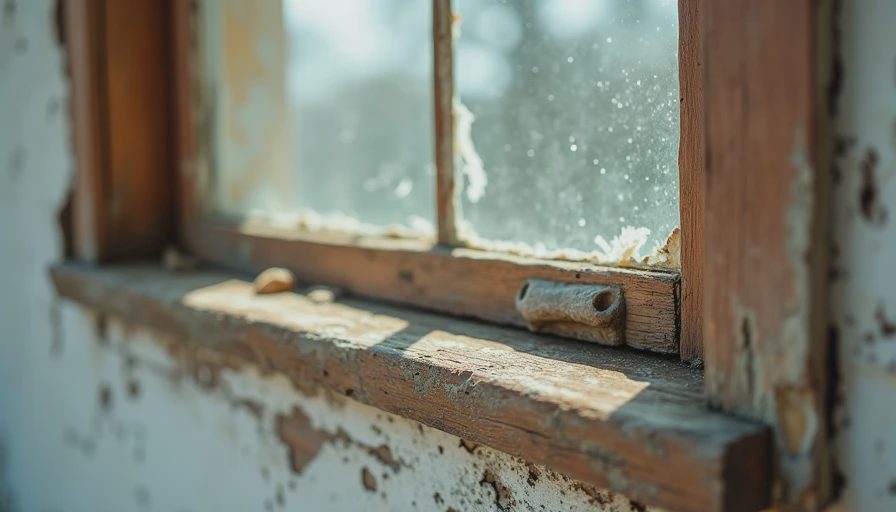
Windows in older homes rarely fail all at once. Soft spots at the sill, faint staining on the lower wall, or a sash that no longer closes tightly usually appear first. These early signals are easy to dismiss as normal aging. When they are ignored, water can move into the wall cavity, the floor framing, and the finish materials below the window. Repair then expands from the window unit itself to the surrounding structure.
Spotting early window failure before water damage starts gives you the chance to correct the source while the affected area is still small. This article outlines the signs that appear first, the places to look, and the practical steps that confirm whether water has already begun to move beyond the window.
Why Windows Are Frequent Entry Points in Older Homes
Windows interrupt the exterior cladding and the weather-resistive barrier. The joints around the frame, the sill, and the interface with the wall are common locations for water to find a path inward. On older houses several conditions increase the risk.
Original flashing and sealant that have aged
Many older windows were installed with limited or no head flashing and with sealants that have since hardened, cracked, or pulled away. Once those materials stop shedding water, rain can run behind the cladding or directly into the rough opening.
Wood that absorbs moisture at the sill
The sill is the lowest point and the most exposed horizontal surface. Repeated wetting softens the wood, opens joints, and creates a reservoir that holds water against the frame and the wall below.
Movement between the window and the wall
Seasonal expansion and contraction, settlement, or past repairs can open gaps at the perimeter of the frame. These gaps allow both air and water to enter.
Failed insulated glass seals
When the seal between panes fails, moisture appears inside the unit. While this is primarily a visual and energy issue, it also indicates that the overall window assembly is aging and that other seals may be compromised.
Water that enters at these points does not always produce an immediate dramatic leak. It can wet materials slowly, giving the early signs time to appear before larger damage is obvious.
Early Signs That Appear Before Major Water Damage
Several observations are worth checking on a regular basis.
Soft or discolored sills
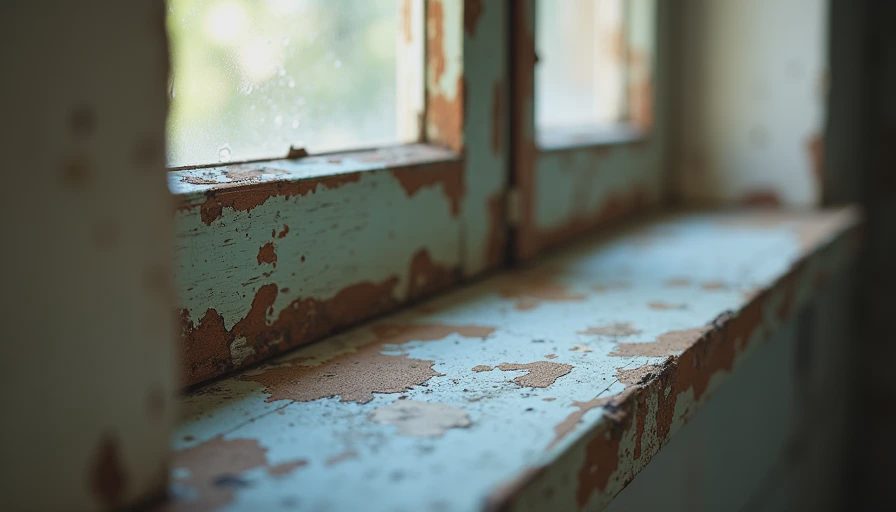
Press gently on the interior and exterior sill surfaces. Softness, especially near the outer edge or at the joints with the side jambs, indicates that the wood has been absorbing moisture. Dark staining or peeling paint in the same locations reinforces the finding.
Minor staining on the wall below the window
Light discoloration, bubbling paint, or a faint tide mark on the interior wall beneath the sill often shows that small amounts of water have already moved past the window. The staining may be subtle and easy to overlook until it expands.
Gaps at the frame-to-wall joint
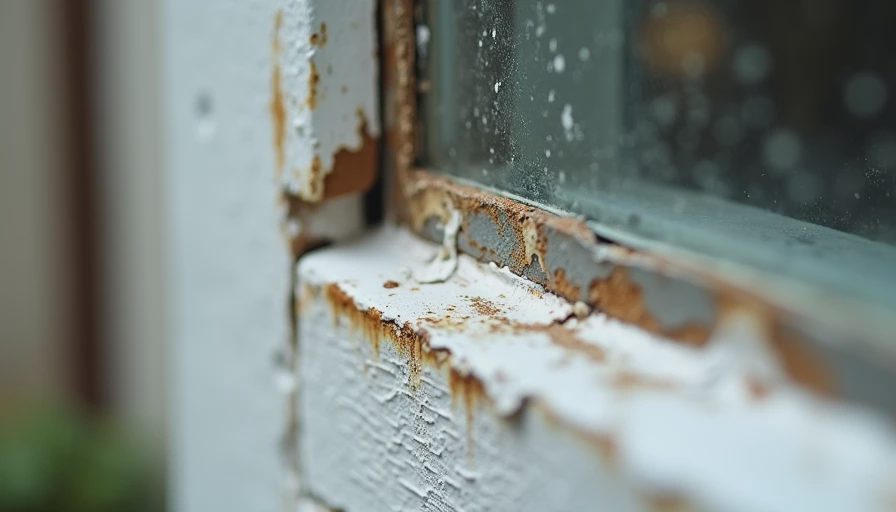
Look at the exterior perimeter of the window where the frame meets the cladding or trim. Open joints, cracked sealant, or gaps that appear seasonally allow water to reach the rough opening.
Sashes that no longer seal tightly
A sash that rattles, shows daylight at the edges when closed, or requires noticeable force to latch may have shifted or may no longer meet the weatherstripping evenly. While primarily an air-leakage issue, the same gaps can admit wind-driven rain.
Condensation or moisture on the interior lower corners
Persistent dampness at the bottom corners of the glass or frame, especially in cold weather, can indicate that cold air or small amounts of water are entering and cooling the surface.
Catching these signs early keeps the repair focused on the window and its immediate perimeter rather than on larger sections of wall or floor.
A Simple Inspection Sequence You Can Perform
You do not need specialized tools to gather useful information.
Exterior check after rain
Walk around the house after a moderate rain and look at each window. Note any water running behind trim, staining on the wall below the sill, or soft spots in the exterior wood. Pay particular attention to windows on the sides that face prevailing weather.
Interior sill and lower wall examination
On a dry day, inspect the interior sill and the wall directly beneath each window. Probe gently for softness, look for staining or peeling finishes, and note any musty odor near the window.
Operation and daylight test
Open and close each sash. Feel for resistance or looseness. With the sash closed and locked, look for daylight around the edges. Daylight indicates a gap that can also admit water under wind pressure.
Frame-to-wall perimeter
Examine the exterior sealant and the joint between the window frame and the surrounding trim or cladding. Cracked, missing, or hardened sealant is a common early failure point.
Document what you find with dated photographs and brief notes about location and severity. The record helps track whether conditions are stable or advancing and provides clear information for a contractor.
What Happens If Early Signs Are Ignored
Water that continues to enter at the window can wet the rough opening, the wall sheathing, the insulation, and eventually the floor framing below. Soft sills progress to soft framing members. Interior finishes begin to show more obvious staining, swelling, or mold growth. By the time the damage is unmistakable, the repair often includes portions of the wall and floor in addition to the window itself.
Addressing the window and its perimeter seals while the wood is only beginning to soften keeps the scope closer to a window repair or replacement rather than a structural opening of the wall.
Practical Responses Once Early Failure Is Confirmed
The appropriate response depends on the extent of the damage and the overall condition of the window.
Limited sealant and weatherstripping repair
If the frame and sill are still sound and the only issues are failed sealant and worn weatherstripping, careful removal of old material, proper re-sealing, and new weatherstripping can restore weather resistance.
Sill repair or replacement
Soft sills can sometimes be repaired by cutting out the damaged wood and splicing in new material, followed by thorough sealing and painting. When the softness extends into the framing below, more extensive work is required.
Full window replacement
If the frame itself is soft, the sashes no longer hold shape, or multiple insulated glass units have failed, replacement of the unit becomes the more durable solution. Proper installation with appropriate flashing and sealing at the rough opening is essential so the new window does not recreate the same water path.
A trustworthy window contractor should be able to distinguish between these levels of work and explain why one approach fits the observed conditions better than another.
Questions to Ask When You Bring in Help
Consider asking:
How far has moisture already moved beyond the sill into the surrounding framing or wall?
Can the current frame and sill be repaired and sealed effectively, or has the damage progressed past that point?
What flashing and sealing details will be used so that water is directed out of the wall rather than into it?
How will the installation address both the window unit and the joint between the window and the existing wall?
Clear answers that reference the actual condition of the sill, frame, and adjacent materials are more useful than general product claims.
Putting the Early Signs to Use
Window failure in older homes usually announces itself through soft sills, minor staining, gaps at the perimeter, and sashes that no longer seal. These signals appear before large-scale water damage is obvious. Checking for them regularly, especially after rain and during seasonal changes, allows you to act while the affected area is still limited.
Start with a simple exterior and interior inspection focused on the sill, the lower wall, and the frame-to-wall joint. Document what you find and address the entry points before moisture reaches farther into the structure. When the early signs are taken seriously, the repair stays closer to the window itself and the surrounding finishes remain intact.
Older windows often give useful warnings. Reading those warnings carefully helps you stop water at the source rather than dealing with the damage after it has already spread.