If you are searching for signs i need to replace my windows, you are probably feeling a cold draft, noticing peeling paint, or watching heating costs climb. Older homes often give warning signs before they give you a bill. The trick is separating a repairable nuisance from a window that has reached the end of its useful life.
Window replacement is not always the first answer. A loose sash, worn weatherstripping, or failing caulk can sometimes be fixed for $50 to $300 per window. But widespread rot, broken seals, and frames that no longer close correctly usually justify a closer look at full replacement. Know what matters first, and fix the real problem rather than the visible symptom.
Start with drafts and comfort problems
A draft is one of the most useful signs i need to replace my windows, but it does not automatically prove the glass or frame is defective. On a windy day, move a smoking incense stick or a thin tissue around the sash, trim, and lock. If the air moves at the meeting rail or along the frame, the window may have worn weatherstripping or poor alignment. If air enters between the wall and the trim, the installation or surrounding framing could be the real problem.
Older single-pane windows can feel cold even when they are sound. Storm windows, interior panels, new sash cords, and careful weatherstripping can improve comfort without removing historic wood. By contrast, a vinyl window with a warped sash, cracked frame, or broken locking mechanism may be difficult to repair economically.
Pay attention to patterns. One uncomfortable bedroom window might need a targeted repair. Six windows on the same wall that create cold floors, curtains that move, and uneven room temperatures point to a broader envelope problem. Also inspect attic insulation, door weatherstripping, and ductwork before blaming every comfort issue on the windows.
Look closely for moisture, rot, and failed seals
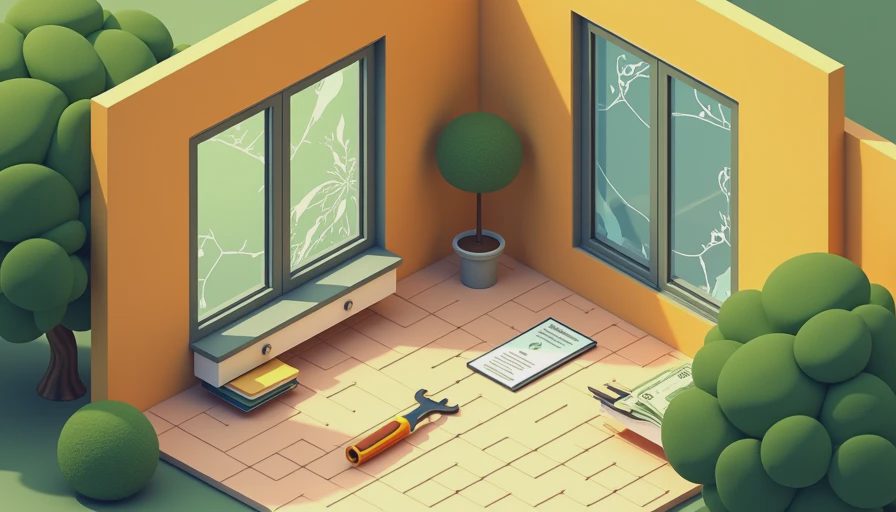
Water damage is among the clearest signs i need to replace my windows. Press gently on painted wood around the sill and lower corners with a screwdriver. Soft wood, bubbling paint, dark staining, or a musty smell indicates moisture has entered the assembly. Small areas of rot may be repaired by an experienced carpenter, but deep decay can compromise the sill, side jambs, and wall below.
Look outside as well. Cracked caulk, missing glazing compound, gaps at the corners, and damaged drip caps allow rain behind the trim. A replacement window will not solve a roof, gutter, or flashing failure above it. If water appears after storms, trace the path upward before approving a window proposal.
Fogging between double-pane glass is another important warning. Insulated glass units use a sealed space between panes; when that seal fails, moisture enters and creates haze or droplets that cannot be cleaned from either side. Sometimes only the glass unit can be replaced. If the sash is also warped, rotten, or obsolete, replacing the complete window may be the more durable choice.
Check operation, safety, and daily frustration
A window that sticks once in a while may only need cleaning, lubrication, or adjustment. A window that will not open for ventilation, will not stay up, or cannot lock securely deserves prompt attention. These are signs i need to replace my windows when they affect escape, security, or basic use throughout the house.
Test each window slowly. Open it a few inches, raise it fully, and confirm that it stays in position. For a double-hung window, check whether both sashes move smoothly. For casement windows, inspect the crank, hinges, and locking points. Do not force painted-shut historic windows; a qualified window restoration professional may be able to free and repair them while preserving original materials.
Safety matters especially in bedrooms and upper floors. A painted-shut window may be more than an inconvenience if it is a required emergency exit. Broken balance systems, loose glass, sharp cracks, and missing locks should move the project higher on your repair list, even if the window is not yet leaking.
Compare repair costs with replacement costs
The signs i need to replace my windows become more convincing when several repair categories appear together. Re-glazing one pane might cost roughly $100 to $300. Replacing weatherstripping or exterior caulk can be relatively affordable. Carpenter repairs for localized rot may run several hundred dollars, depending on access and finish work.
Full replacement commonly costs several hundred dollars per opening and can exceed $1,000 for large, custom, architectural, or historically appropriate units. Labor, interior trim, exterior trim, disposal, permits, and lead-safe practices can change the total substantially. A low bid that excludes finish carpentry is not necessarily a bargain.
Make a simple room-by-room list with four columns: operation, air leakage, moisture damage, and appearance. Mark each item as minor, moderate, or severe. If one window has four severe problems, replacing it is easier to justify. If ten windows have only brittle caulk, start with maintenance and observe the result through a heating or cooling season.

Avoid replacing windows to hide another house problem
Window symptoms often overlap with roofing, siding, gutter, and drainage failures. Water running down a wall can damage a window sill even when the window itself is serviceable. Condensation on the inside of glass can come from high indoor humidity, poor bathroom ventilation, or a cold single-pane surface. Condensation between panes, however, points to a failed insulated glass seal.
Before signing a contract, inspect the roof edge, gutters, downspouts, siding joints, and interior wall below each opening. Check whether downspouts discharge at least several feet away from the foundation. In an old house, a contractor who immediately recommends replacing every window without explaining moisture sources is skipping an important diagnostic step.
A trustworthy local contractor should be able to show you the damaged component, explain whether repair is possible, and describe what happens if you wait. Ask for an itemized estimate rather than a single package price. Confirm who handles trim, painting, disposal, and any lead-safe work in a pre-1978 home.
A practical replacement decision
Use these signs i need to replace my windows as a starting checklist, not as a reason to panic. Replacement deserves serious consideration when you have recurring leaks, extensive frame rot, failed insulated glass across many rooms, unsafe operation, or repair costs approaching the price of a dependable new unit. It is also reasonable when windows are so inefficient that rooms remain uncomfortable despite weatherstripping and other envelope improvements.
Get at least two detailed evaluations. Ask one contractor who sells replacement windows and one independent carpenter or restoration specialist to inspect the openings. Compare material options, including wood, fiberglass, and vinyl, based on exposure, maintenance, appearance, and expected service life. A historic wood window may be worth preserving, while a severely deteriorated builder-grade unit may not.
Prioritize the worst openings first rather than replacing every window for cosmetic consistency. Fix active leaks before improving energy performance, and address gutters or flashing before installing new trim. With a clear diagnosis, realistic pricing, and careful installation, your project can improve comfort without creating a new moisture problem. The best window decision is the one that solves the real issue in your old house.