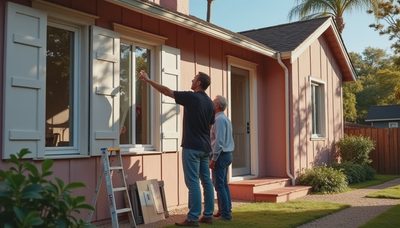
When to replace windows is rarely an obvious question in an older house. A window can look worn without being an urgent problem, while a fairly attractive window may be allowing water into the wall. The right decision depends on the frame, glass, operation, weather exposure, and condition of the surrounding trim. Before ordering a dozen replacement units, identify the actual failure and decide whether repair can solve it.
Start with the warning signs
Drafts are one of the easiest clues to notice. On a windy day, move a lit incense stick or a thin strip of tissue around the sash, meeting rails, and trim. Movement indicates air leakage, although the source may be worn weatherstripping rather than a failed window. Caulk gaps around exterior trim can also create a draft that looks like a window problem.
Water is more serious. Look for peeling paint, soft wood, dark staining, swollen trim, or damp drywall beneath the opening. Check after heavy rain rather than relying only on a dry-day inspection. Water may be entering through failed glazing compound, a damaged sill, missing head flashing, or siding above the window. Replacing the unit without fixing the drainage path can leave the wall vulnerable.
Difficulty opening or locking a window is another useful warning sign. A slightly sticky sash may need cleaning, lubrication, or a balance repair. A sash that is badly warped, repeatedly drops, or cannot close tightly points toward a larger failure. Fogging between panes means the insulating seal has failed. The glass is no longer performing as designed, but the frame might still be worth preserving.

Repair or replacement: know what actually failed
Repair is often sensible when the frame is sound and the problem is limited. New weatherstripping, fresh glazing putty, a replacement balance, repaired sash cords, or careful exterior caulking can restore function for a modest cost. Historic wood windows deserve special attention because their individual parts can often be repaired, and their original proportions may be difficult to reproduce with modern products.
Replacement becomes more compelling when rot extends into the frame, the sill is soft across a broad area, or repeated repairs have not improved operation. A permanently failed insulated glass unit can sometimes be replaced without removing the entire frame. That option is worth pricing before accepting a full replacement proposal. If the opening is out of square because of settlement, a contractor should explain how the installation will be adjusted rather than simply hiding the problem with trim.
The practical question of when to replace windows should include the condition of the wall around them. A contractor who only measures the visible glass has not finished the diagnosis. Ask whether the sill pan, flashing, sheathing, insulation, and exterior casing will be inspected. Fix the real problem, not just the visible one.
How much window replacement can cost
Prices vary with material, size, access, installation complexity, and regional labor rates. As a rough planning range, a basic vinyl replacement window may cost several hundred dollars installed, while larger units, wood windows, custom shapes, and full-frame installations can run from roughly $1,000 to $2,500 or more each. Historic restoration may cost less than replacement for one window but more for a group requiring extensive paint removal and joinery repairs.
Compare proposals by scope, not by the number at the bottom. One estimate may describe an insert replacement that leaves the existing frame in place. Another may include a full-frame removal, new flashing, insulation, interior trim, exterior casing, disposal, and painting. Those are different projects. A low bid can become expensive when it excludes rotten wood repair or finish work.
Energy savings also need realistic expectations. New windows can reduce drafts and improve comfort, but they do not correct missing attic insulation, leaky ductwork, poor weatherstripping elsewhere, or a badly air-sealed foundation. If utility bills are the main concern, arrange a broader home inspection or energy assessment before treating every window as the culprit.
When to replace windows for comfort and efficiency
Cold glass is not automatically evidence of failure. Older single-pane windows feel colder because glass transfers heat quickly, but curtains, interior storms, exterior storms, and air-sealing can improve comfort. Condensation on the room-side glass usually reflects high indoor humidity and a cold surface. Run bathroom fans, use kitchen ventilation, and check humidity before blaming the window.
Condensation between insulated panes is different. It indicates that the sealed space has lost its insulating gas or dry air. A replacement glass unit may solve the issue if the frame is healthy. If several windows have failed seals, the home has significant air leakage, or the frames are deteriorating, a larger replacement project may make more sense.
Think about how the room is used. A bedroom that remains uncomfortable despite normal heating, a home office beside a noisy street, or a south-facing room that overheats may justify targeted upgrades. You do not always need to replace every window at once. Prioritize the worst exposures and the openings with moisture or security concerns.

What to ask a window contractor
A trustworthy local contractor should be able to explain this clearly: what failed, what can be repaired, what installation method is proposed, and what existing materials will be removed. Ask for a written description of the product line, glass package, frame material, warranty, labor coverage, and cleanup. Confirm whether the quoted price includes interior and exterior trim work.
Ask how the contractor will handle lead paint if the home was built before 1978. Renovation work that disturbs painted surfaces may require lead-safe practices and proper containment. Also ask how water will be managed at the sill and head, especially if the contractor is working on an older masonry or wood-sided house. Photos of comparable projects are more useful than a vague promise of quality.
Get at least two detailed estimates, but do not choose strictly by price. Check that the business carries appropriate insurance, provides a written contract, and identifies who will perform the installation. A salesperson who pressures you to sign immediately is giving you useful information about how the project may proceed.
A sensible replacement plan for an old house
Begin with a room-by-room inspection. Record drafts, sticking, fogged glass, visible rot, water marks, and security problems. Photograph damage from inside and outside, then note which windows face prevailing weather. This makes it easier to compare contractor recommendations and prevents a sales visit from defining the entire scope.
Next, separate urgent moisture repairs from comfort upgrades. Stop active leaks and stabilize rotten trim before spending money on appearance. If a window is secure, dry, and repairable, it can usually wait while you address the roof, gutters, flashing, or drainage issue above it. Older homes usually give warning signs before they give you a bill, so use those clues to set priorities.
Finally, decide when to replace windows based on evidence rather than age alone. A fifty-year-old wood window may be repairable, while a newer unit with a failed seal or leaking installation may need immediate attention. When to replace windows is ultimately a building-envelope decision: protect the wall, improve operation, and choose work that solves the cause instead of covering the symptom.