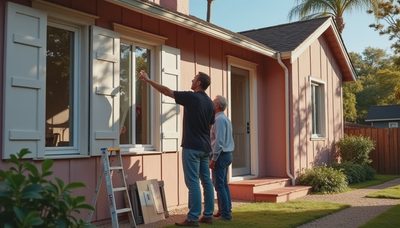
Knowing when to replace windows in home is less about the calendar and more about what the windows are doing to the house. A 100-year-old wood window can still work well after careful repairs, while a newer vinyl unit can fail early if it was poorly installed. The right decision starts with the symptoms: drafts, water damage, broken seals, difficult operation, and rising heating or cooling costs.
Older homes usually give warning signs before they give you a bill. Walk through the house on a windy or rainy day and pay attention to cold air around the sash, stained trim, peeling paint, or water collecting on the sill. Also look at rooms that feel uncomfortable even when the thermostat says the temperature is normal. These clues help separate a window problem from an insulation, siding, roof, or drainage problem.
Signs Your Windows May Need Replacement
The clearest reason to replace a window is a failed frame or sash that cannot be repaired safely. Soft wood around the lower corners, crumbling vinyl, severe rust on metal components, or a sash that no longer stays in place can allow water and air into the wall. Surface peeling is not automatically a replacement issue, but deep rot that returns after scraping and painting usually deserves closer attention.
Foggy glass between double-pane panes is another common warning. That haze usually means the insulating seal has failed, allowing moisture into the space between the panes. The window may still open and close, but its insulation performance is reduced. In some cases, glass replacement is possible without replacing the entire frame. Ask whether the sash or insulated glass unit can be replaced before accepting a full-window proposal.
Persistent drafts matter too, especially when weatherstripping, caulk, and storm windows cannot solve them. A simple test is to move a thin piece of tissue around the closed window on a windy day. Movement indicates air leakage, though it does not prove the entire window needs replacement. A contractor should inspect the frame, trim, surrounding wall, and exterior flashing before recommending a product.
When Repair Makes More Sense
Repair is often the better choice for older wood windows with solid frames. A skilled carpenter or window restoration specialist may be able to replace loose glazing, repair sash cords, add weatherstripping, repaint the exterior, and install a properly fitted storm window. These steps can improve comfort while preserving the original proportions and character of the house.
Repair is especially sensible when only one or two windows have problems. Replacing a single failed pane or rebuilding a sash may cost substantially less than replacing several full units. It can also avoid damage to historic trim, plaster, or interior casing. The goal is to fix the real problem, not just the visible one.
However, repair becomes less attractive when rot extends into the frame, multiple windows have failed seals, or the units are painted shut throughout the house. If a repair estimate approaches the cost of a properly installed replacement, compare the expected service life and maintenance requirements. Do not choose replacement simply because a salesperson calls every old window inefficient. Ask for a room-by-room explanation.
How to Decide When to Replace Windows in Home
A practical decision begins with an inventory. Count the windows, note their material, record which ones stick or leak, and photograph damaged sills and trim. Separate cosmetic concerns from safety and moisture concerns. A cracked pane, rotten frame, or window that cannot open in a bedroom can deserve priority over a window that merely looks dated.
Next, investigate the wall around the unit. Staining below a window may come from failed caulk, missing drip cap, damaged siding, or water entering higher on the wall. Condensation on the inside of the glass can result from high indoor humidity rather than a failed window. Condensation between panes points more directly to a seal problem. This distinction can prevent an expensive replacement that does not solve the moisture source.
Budget by project scope, not by the advertised price of one window. Basic replacement windows may run roughly $400 to $900 installed, while custom sizes, wood units, historic profiles, complex trim work, and extensive repairs can push the cost well above $1,000 per opening. A whole-house project can quickly reach several thousand dollars. Get an itemized quote showing products, removal, disposal, flashing, insulation, interior trim, exterior finishing, and permits if required.
Choosing Replacement Windows for an Old House
If replacement is justified, match the product to the house rather than selecting the cheapest white window. Double-hung windows often suit traditional homes, while casement windows can provide strong ventilation and a tighter seal when properly installed. Wood offers repairability and a familiar appearance; fiberglass provides rigidity and low maintenance; vinyl is commonly less expensive but varies widely in frame quality and profile.
Glass options deserve attention. Low-emissivity coatings can reduce heat transfer, and insulated glazing can improve comfort near the window. The best configuration depends on your climate, sun exposure, orientation, and existing heating system. A window with a strong energy label is not automatically a good fit if the installer leaves gaps around the frame or fails to manage exterior water.
Installation quality is just as important as the brand. Andersen, Marvin, Pella, and Jeld-Wen all offer products across different price and performance ranges, but a recognizable name cannot compensate for poor flashing or an incorrectly sized opening. A trustworthy local contractor should be able to explain this clearly, including how the sill will shed water and how the new unit will connect to the existing wall.

Questions to Ask a Window Contractor
Ask whether the proposal is for insert replacement or full-frame replacement. An insert fits inside the existing frame and usually preserves interior trim, but it may reduce glass area and leave hidden frame problems untouched. Full-frame work removes more material and allows inspection of the rough opening, though it can cost more and require interior or exterior finish work.
Ask how the contractor will handle rot, lead paint, insulation, flashing, and disposal. Homes built before 1978 may contain lead-based paint, so qualifying renovation work can involve specific containment and cleanup practices. Ask for proof of licensing where applicable, insurance, references for similar old-house projects, and a written warranty that distinguishes product coverage from installation coverage.
Compare at least three detailed proposals. Look for identical scope rather than simply comparing totals. One quote may include trim repair and disposal while another leaves those items as extra charges. Be cautious if a salesperson pushes a same-day decision, promises dramatic savings without inspecting the house, or refuses to explain the installation sequence.
A Sensible Replacement Plan
You do not have to replace every window at once. Start with openings that admit water, have dangerous broken glass, or create serious drafts in bedrooms and living areas. Grouping windows on the same elevation can make exterior finishing more efficient. If the house needs roof, siding, or drainage work, coordinate those projects so new windows are not installed just before surrounding materials are removed.
Before signing, confirm measurements, opening locations, colors, screens, hardware, interior casing, exterior capping, cleanup, and payment milestones. Take photographs of concealed conditions before they are covered. After installation, check that each sash operates, locks engage, screens fit, and trim is sealed. Look for gaps, damaged paint, or water entry after the first substantial rain.
The best answer to when to replace windows in home is usually a prioritized one: repair sound historic units, replace failures that threaten comfort or the building envelope, and plan larger upgrades around the house's real condition. Know what matters first. A careful inspection and a clear scope will save more money than a rushed sale, and the right local contractor will help you improve the home without erasing what makes it worth keeping.