
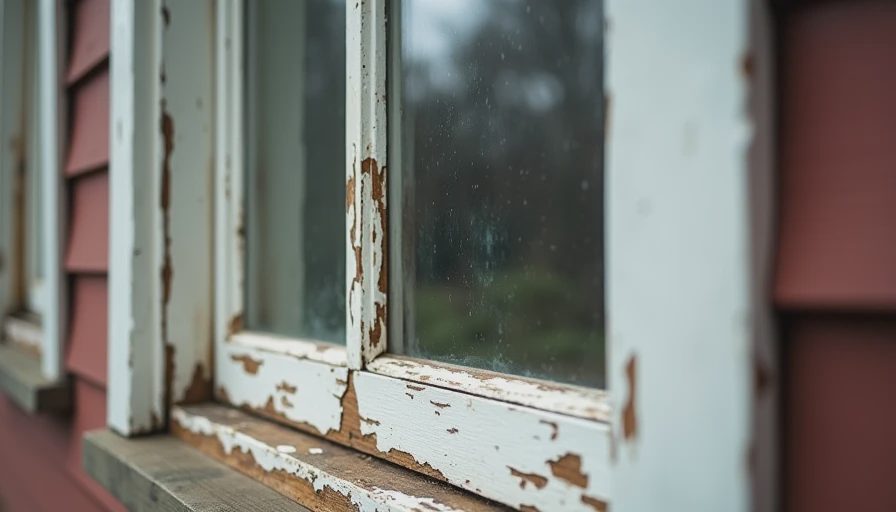
Drafts around the sashes, fog between the panes, or windows that no longer open smoothly are common complaints in older homes. The immediate question is whether these problems can still be repaired or whether the units have reached the point where replacement is the clearer path. On an aging house the decision affects comfort, energy use, and the look of the exterior, so it helps to move past general advice and examine the actual condition of the windows you have.
This article focuses on the practical checks that reveal whether repair remains realistic for old windows in an old house. The goal is to give you a clearer basis for discussion with a contractor rather than to push one outcome over the other.
Start with How the Windows Are Actually Performing
Before looking at individual parts, notice the daily experience of the windows.
Drafts and air leakage
Stand near the closed windows on a windy day or hold a thin piece of tissue or smoke pencil along the edges. Air movement that is easy to feel usually means the weatherstripping, sash fit, or frame seals have deteriorated. Localized drafts at one or two points can often be reduced with new weatherstripping or adjustment. Widespread air leakage around most of the sash perimeter is harder to correct permanently on an older unit.
Condensation and fogging
Moisture that appears on the room side of the glass in cold weather is often a humidity and ventilation issue rather than a window failure. Fog or condensation that stays trapped between the panes of a double-glazed unit, however, means the sealed insulated glass has failed. Once the seal is broken, the insulating value drops and the fogging rarely clears for good.
Operation and hardware
Sashes that stick, rattle, or will not stay open point to worn balances, swollen wood, or hardware that has reached the end of its useful adjustment range. Some of these problems respond to cleaning, lubrication, and part replacement. Others indicate that the sash or frame has moved enough that smooth operation cannot be restored without major work.
Document what you observe with notes and simple photographs. Patterns that appear across many windows are more significant than a single problematic unit.
Examine the Frame and Sash Materials
The condition of the wood, metal, or vinyl that holds the glass largely determines whether repair is still practical.
Wood frames and sashes
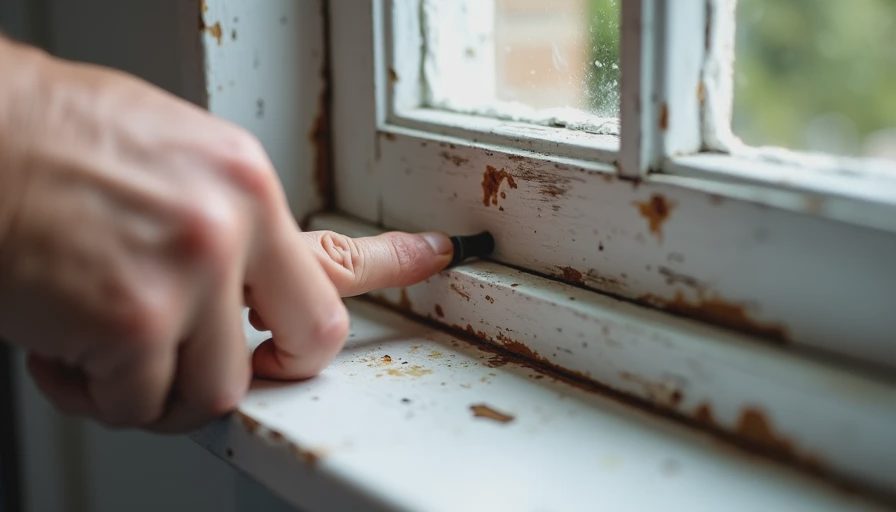
On many older homes the original windows are wood. Check for soft spots, especially at the bottom rails and the lower corners of the frames where water tends to collect. Probe gently with a screwdriver tip; soft or crumbly wood means decay has already started. Surface weathering and peeling paint can often be corrected. Softness that goes deeper than the outer layer usually requires more extensive repair or points toward replacement of that unit.
Also look at the joints where the stiles and rails meet. Open joints or visible movement suggest the sash has loosened over time.
Glazing and putty
Traditional single-pane windows rely on putty or glazing compound to hold the glass. Cracked, missing, or hardened putty allows water to reach the wood and is a common repair item. If the majority of the putty on a sash is still intact and flexible, re-glazing selected areas can restore weather resistance. When most of the putty has failed and the wood beneath is already soft, the repair becomes larger.
Metal and vinyl units
Some older homes have aluminum or early vinyl windows. Look for corrosion at the corners of aluminum frames, failed thermal breaks, or vinyl that has become brittle and cracked. These materials are less forgiving of partial repair than wood; once the frame itself is compromised, replacement of the unit is often the more durable option.

Assess the Insulating Glass and Energy Performance
If the windows are double-glazed, the condition of the sealed units matters as much as the frames.
Failed seals and fogged panes
A cloudy or permanently fogged appearance between the panes means the air seal has failed and moisture has entered the space. The insulating value is reduced, and the visual problem will not resolve. Individual insulated glass units can sometimes be replaced within an existing frame if the frame itself is still sound. When many units in the house show the same failure, the overall system is aging together.
Single-pane glass and storm windows
Many older homes still have single-pane glass paired with exterior or interior storm windows. The combination can provide reasonable performance when both layers fit well and the storms are properly weatherstripped. If the primary windows are drafty and the storms are missing, damaged, or poorly fitted, the energy loss is greater. Repair may involve restoring the storms and improving the primary weatherstripping rather than replacing the main windows.
Overall comfort and cost of heating or cooling
Notice whether certain rooms are consistently harder to keep comfortable. Windows that feel markedly colder than the walls on a winter night, or that allow noticeable summer heat gain, contribute to uneven temperatures. This information helps you weigh the benefit of improving those specific openings.
Practical Steps Before You Call a Contractor
A short sequence of checks gives you clearer information to share.
Make a simple inventory
Walk through the house and note each window’s location, material, approximate age if known, and the main problems you observe—draft, fogging, sticking, soft wood, or failed hardware. Group the windows that share the same issues.
Test a few representative units more carefully
Choose one or two windows that show the most common problems. Check the weatherstripping, operate the sash through its full range, and inspect the sill and lower frame for decay. These detailed examples help a contractor understand the typical condition.
Consider the rest of the wall assembly
Windows sit within the wall. Soft sills or frames sometimes connect to moisture problems in the surrounding sheathing or trim. If you see peeling paint or staining on the exterior trim below the windows, note it; the water path may involve more than the window unit itself.
Decide what matters most for your household
Some owners prioritize keeping original windows for appearance and are willing to invest in careful repair. Others place higher value on reducing drafts and simplifying future maintenance. Clarifying your own priorities makes the later conversation more productive.
Questions to Ask a Window Contractor
A contractor who works regularly on older homes should be able to discuss both repair and replacement options with reference to the actual units in your house. Consider asking:
Which of the current problems can be corrected by repairing or adjusting the existing sashes and frames?
For any windows you recommend replacing, what specific conditions make repair less practical?
If insulated glass units have failed, can new glass be installed in the existing frames, or do the frames also need to be replaced?
How will the work address the surrounding trim and flashing so that water is directed away from the wall?
What maintenance should be expected after either repair or replacement?
Listen for answers that refer to the condition of your frames, sashes, and glass rather than a single package recommendation for the whole house. A trustworthy window contractor should be willing to explain why certain units can still be repaired and why others cannot.
Putting the Decision Together
Begin with the daily performance of the windows—drafts, fogging, and operation. Then examine the frames and sashes for decay, open joints, and failed glazing materials. Check the condition of any insulated glass and note how the windows affect comfort in different rooms.
The combination of those observations usually shows whether a focused repair program can still restore reasonable performance or whether enough of the system has reached the end of its practical life that replacement of selected units (or all of them) becomes the clearer path.
Older windows often give useful signals before they fail completely. Reading those signals carefully—and checking the frames, seals, and glass in sequence—helps you decide what needs attention first and avoid replacing units that can still serve the house with proper repair.