
If you own an older house, you have probably wondered when do windows need to be replaced after feeling a cold draft or finding peeling paint around a frame. The answer is not based on age alone. A 100-year-old wood window can sometimes be repaired, while a newer vinyl window with a failed seal may need attention now. The important question is whether the window is still keeping out water, air, and noise without creating damage elsewhere.
Windows should be evaluated as part of the whole wall, not as isolated pieces of glass. Look for moisture, rot, difficult operation, failed glazing, and rising heating or cooling costs. A careful inspection can help you avoid replacing good historic windows while also preventing a small leak from becoming a wall-repair project.
Signs your windows are reaching the end of their useful life
The clearest sign is water intrusion. Check the sill, trim, and nearby drywall after wind-driven rain. Soft wood, dark staining, bubbling paint, or a musty smell suggests that water is getting past the exterior seal or pooling on the sill. Do not assume caulk will solve it. Water may be entering above the window through damaged flashing, siding, or roof drainage.
Operation is another practical test. A window that will not open, stay open, close tightly, or lock securely is no longer doing its basic job. In older wood windows, worn sash cords, swollen rails, and layers of paint are often repairable. A replacement becomes more reasonable when the frame is badly distorted, the sash is missing, or repair costs approach the price of a dependable new unit.
Glass problems also matter. A cracked pane should be replaced promptly, but one broken pane does not automatically mean the entire window must go. Fogging between panes in an insulated glass unit usually indicates a failed seal. The glass panel may be replaceable if the frame is sound. If the frame is also leaking, rotting, or difficult to operate, a complete replacement can provide better value.
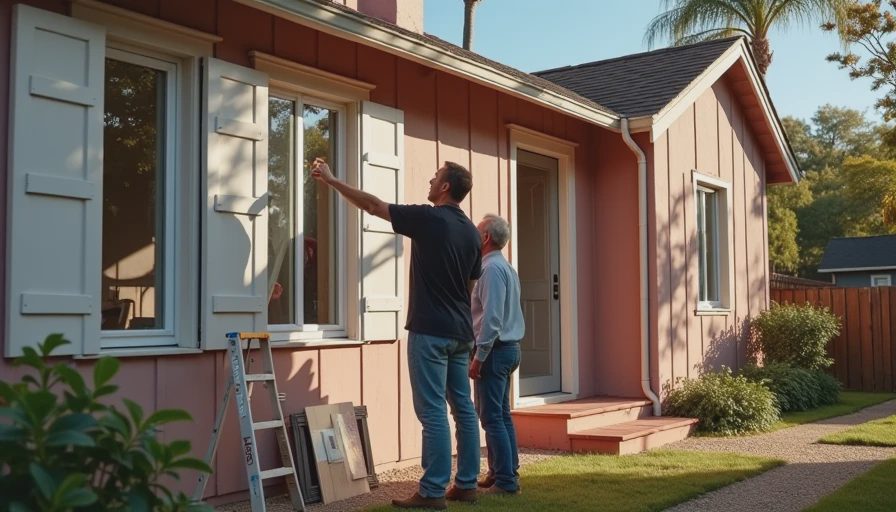
When do windows need to be replaced instead of repaired?
When do windows need to be replaced if the damage is not obvious? Start by comparing the cost and result of both choices. Repair often makes sense when the original frame is square, the sill is solid, and the problem is limited to glazing, weatherstripping, paint, hardware, or a small area of rot. A skilled restoration contractor may repair a wood window for roughly $150 to $600, depending on access and damage.
Replacement is more compelling when several problems appear together. For example, a window with a rotten sill, failed insulated glass, loose frame, and missing hardware may require $800 or more in repairs while still performing poorly. A new installed window can commonly cost about $500 to $1,500 per opening, with custom sizes, difficult access, interior trim, and historic details pushing the price higher.
Do not choose a replacement simply because a salesperson says the window is old. Ask what failed, where water is entering, whether the rough opening is sound, and what repair would cost. A trustworthy local contractor should be able to explain this clearly and show you the damaged components. If the recommendation is replacement for every window without an inspection, get another opinion.
Drafts, condensation, and energy loss
A draft around a movable sash usually points to worn weatherstripping, loose stops, or gaps in the frame. Those issues can often be corrected without removing the window. Hold a thin piece of tissue near the edges on a windy day to locate air movement. Do not use an open flame for this test.
Condensation needs a little more diagnosis. Moisture on the room-side glass can result from high indoor humidity, poor ventilation, or a cold surface. Moisture trapped between insulated panes is a seal failure. Condensation on the exterior glass can actually mean the glass is insulating well because the outside surface is cooler. Each situation leads to a different fix, so replacing windows based on condensation alone is risky.
Energy savings also deserve realistic expectations. New windows can improve comfort and reduce drafts, but air sealing the attic, repairing duct leaks, and adding insulation may produce a larger improvement per dollar. If you are replacing windows to fix a cold room, inspect the wall, floor, and heating system first. Fix the real problem, not just the visible one.

Special considerations for old and historic houses
Old windows often have durable, repairable wood frames and distinctive proportions that are difficult to reproduce. Removing them can also disturb interior trim, siding, plaster, and exterior flashing. Before replacing original windows, ask whether storm windows, interior panels, weatherstripping, glazing repair, or sash restoration could solve the performance problem.
Replacement may still be the right choice for severely deteriorated openings, inaccessible upper floors, or windows that have already been altered beyond practical repair. Match the new unit to the opening and the house. Cheap replacements with narrow frames can look out of place and may reduce the amount of natural light. Confirm how the contractor will protect plaster and trim before work begins.
For an older home, timing matters. If several windows leak, prioritize openings above finished rooms, windows beside electrical equipment, and any area with visible structural rot. Stop the water first, then plan cosmetic improvements. Older homes usually give warning signs before they give you a bill.
How to plan a window replacement project
If you are still asking when do windows need to be replaced, document each opening before calling contractors. Photograph damaged trim, label the room, note whether the window opens, and record drafts or moisture after rain. This prevents a vague estimate from turning into an expensive surprise.
Request itemized proposals from at least two qualified local contractors. The estimate should identify the window brand and series, glass type, installation method, trim work, disposal, permits if required, and warranty coverage. Ask whether the contractor installs into the existing frame or removes the entire unit to the rough opening. Those methods have different costs and may produce different results.
Do not compare bids on window count alone. A $700 insert installation may not address rotten framing, while a $1,400 full-frame installation could include necessary flashing and trim. Ask what happens if hidden damage is found and request a written change-order process. The lowest bid is not a bargain if it leaves water behind the new window.
A practical decision for homeowners
When do windows need to be replaced? Replace them when they cannot be made watertight, secure, and reasonably functional at a sensible repair cost, or when repeated repairs have not solved the underlying problem. Repair them when the frame is sound and the failure is limited to glass, hardware, paint, or weatherstripping.
Start with the worst openings rather than automatically ordering a whole-house package. A phased project of two to four windows can protect vulnerable rooms, reveal the contractor's workmanship, and spread costs over time. Typical planning budgets range from several hundred dollars per standard opening to well over $2,000 for custom, historic, or structurally complicated work.
Know what matters first: water entry, rot, safety, and operation come before appearance. Once those risks are understood, you can choose repair or replacement with much less guesswork and find a contractor who solves the cause instead of covering the symptom.