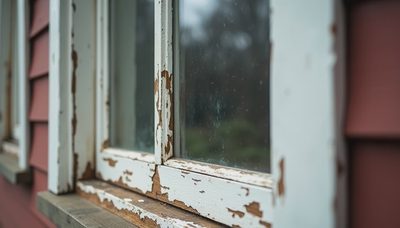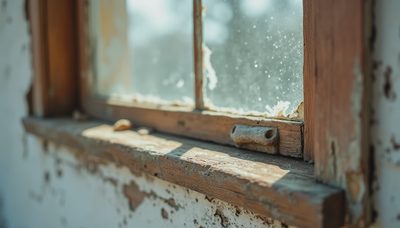
When an old house has drafty rooms, rattling sashes, or condensation between panes, replacing the windows can feel urgent. But vinyl vs aluminum windows cost is only one part of the decision. The cheapest frame is not always the best match for a historic facade, a damp climate, or a homeowner planning to stay for twenty years. Before collecting bids, understand what each material does well, where it fails, and which problems replacement will actually solve.
Typical vinyl and aluminum window prices
For a standard replacement window, homeowners often see installed prices in a broad range of roughly $500 to $1,500 for vinyl and about $600 to $1,800 for aluminum. A small basement window might cost considerably less, while a large picture window, bay window, or custom opening can exceed $3,000. Labor, glass selection, trim repairs, disposal, access, and local demand can move the final number quickly.
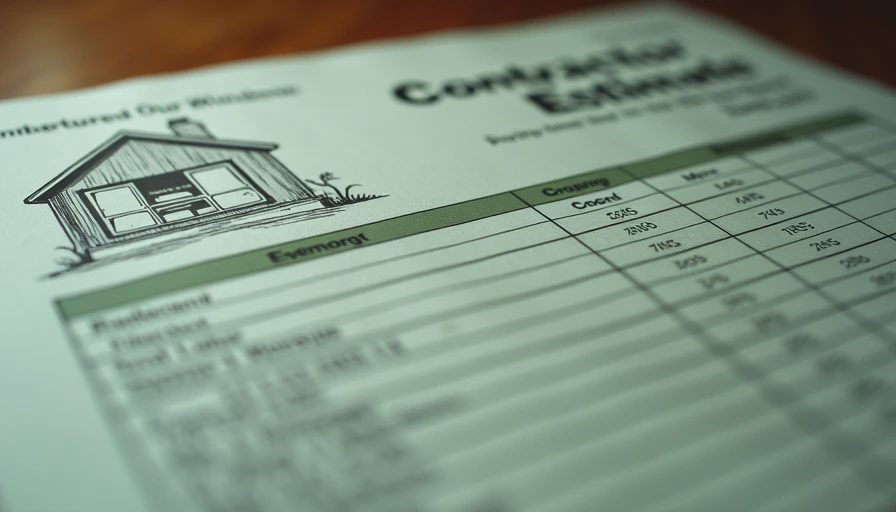
That range makes vinyl vs aluminum windows cost comparisons tricky. A contractor quoting $700 for a basic double-hung vinyl unit is not necessarily undercutting a $1,100 aluminum quote. The products may have different glass packages, frame depths, warranties, hardware, and installation methods. Ask whether the estimate includes interior casing, exterior capping, flashing, foam insulation, permits, and cleanup. A low quote that leaves rotten sill repairs out is not a low project cost; it is an incomplete one.
In an older house, installation can matter more than the frame material. Removing a window may reveal water damage, loose masonry, lead paint, or an opening that is not square. Set aside a contingency of 10% to 20% for hidden conditions, especially when the existing frames are wood and the exterior trim is already soft.
Where vinyl makes sense
Vinyl windows are popular because they usually offer a lower starting price, simple maintenance, and good insulating performance. The frame does not require painting, and modern vinyl units commonly come with double-pane insulated glass and low-emissivity coatings. For a rental, starter home, or practical renovation, that combination can be difficult to beat.
The best vinyl products have thick, well-reinforced frames, welded corners, solid locks, and a credible warranty. Avoid choosing by color sample alone. Very dark vinyl can absorb more solar heat, and low-cost frames may flex in wide openings. That flexibility can create operating problems or gaps around the sash if installation is rushed.
Vinyl also works well when an old house needs many windows replaced at once. For example, replacing twelve ordinary windows at $700 to $1,000 each produces a rough installed budget of $8,400 to $12,000 before major trim repairs. That is a substantial project, but the predictable sizing and broad availability of vinyl can help control scheduling and labor.
Vinyl is not automatically the right answer for every older home. Its thick profiles can look noticeably different from narrow historic wood or metal frames. Some homeowners also dislike the limited repairability: when a sealed glass unit fails or a frame component breaks, replacement of the sash or entire unit is often more practical than repairing individual parts.
Where aluminum earns its higher price
Aluminum frames are strong, slim, and resistant to swelling. Those qualities are useful for wide windows, modern additions, sunrooms, and openings exposed to heavy weather. The narrow sightlines can also preserve more glass and daylight than a bulky replacement frame. In a 1950s ranch or mid-century home, aluminum may look more appropriate than thick white vinyl.
Older aluminum windows have a poor reputation for cold interior surfaces, and that criticism is often deserved. Uninsulated metal conducts outdoor temperatures into the room, which can encourage condensation and make a frame feel icy in winter. Modern aluminum windows can include thermal breaks, insulated glass, and improved seals, but the product specification matters. Ask directly whether the frame is thermally broken and request the window's U-factor and air-leakage information.
The higher vinyl vs aluminum windows cost may be justified when strength, appearance, or opening size is central to the project. However, aluminum is not a magic fix for a leaking wall. Water can enter through failed flashing, cracked caulk, deteriorated masonry, or a bad sill pan regardless of the frame material.
Energy performance and comfort
Do not compare frame materials without comparing the whole window. The National Fenestration Rating Council label can help you review U-factor, solar heat gain coefficient, visible transmittance, and air leakage. A lower U-factor generally indicates better insulation. In a cold climate, that can matter more than choosing one frame category over another.
A replacement window will not stop drafts coming from attic bypasses, uninsulated walls, loose trim, or a poorly sealed opening. Before ordering, stand near the window on a windy day and inspect the sash, meeting rail, casing, and sill. Smoke from a simple incense stick can reveal moving air, though it should never be used near flammable materials. Also look for staining below the window, peeling paint, or swollen wood. Those clues point to moisture management, not merely an old pane of glass.
An energy upgrade is easiest to judge by comfort and reduced air movement, not by assuming the entire heating bill will disappear. If the furnace runs constantly because the attic is underinsulated, window replacement alone will disappoint.

Repair, insert, or full-frame replacement?
The most useful vinyl vs aluminum windows cost decision may be deciding whether replacement is necessary at all. Historic wood windows with sound frames can often be repaired, weatherstripped, and fitted with a quality storm window. That approach preserves original trim and may cost less than full replacement, although it requires skilled labor and periodic painting.
An insert replacement fits inside the existing frame. It usually causes less interior disruption and can be less expensive, but it reduces the glass area and leaves the old frame hidden behind the new unit. A full-frame replacement removes the old window to the rough opening. It offers a better opportunity to repair rot, install flashing correctly, and improve insulation around the perimeter.
Choose full-frame work when the sill is rotten, the opening leaks, the existing frame is badly distorted, or the trim hides water damage. Choose an insert only after someone confirms the existing frame is structurally sound and properly flashed. Fix the real problem, not just the visible glass.
How to compare contractor estimates
Request at least three written estimates and make each contractor price the same number of openings. Have them identify the manufacturer, series, frame material, glass package, hardware, installation method, warranty, and expected timeline. Ask who performs the work and whether subcontractors handle trim or masonry repairs.
A trustworthy local contractor should be able to explain this clearly: where water drains, how the sill is protected, how the opening will be insulated, and what happens if rotten wood is found. Be cautious when a salesperson insists on signing immediately or offers a dramatic discount that expires that night. A careful window assessment should include measurements, photos, and questions about your home's age and construction.
For an old house, also ask whether exterior changes could affect a historic-district review. Replacement windows that look acceptable in a showroom can appear out of place once installed across a full facade. Bring a sample profile or photograph to the conversation before committing.
A practical choice for your old house
The right vinyl vs aluminum windows cost depends on the opening, the home's style, the climate, and the condition of the surrounding wall. Vinyl is often the sensible value choice for standard openings, low maintenance, and controlled budgets. Thermally improved aluminum deserves consideration for large spans, narrow sightlines, and mid-century designs where appearance and strength matter.
Start with the failed component and the water path, not the sales brochure. Get the rough opening inspected, compare complete installed bids, and reserve money for trim or framing repairs. Older homes usually give warning signs before they give you a bill. Know what matters first, then choose a window that solves the underlying problem instead of covering it.