
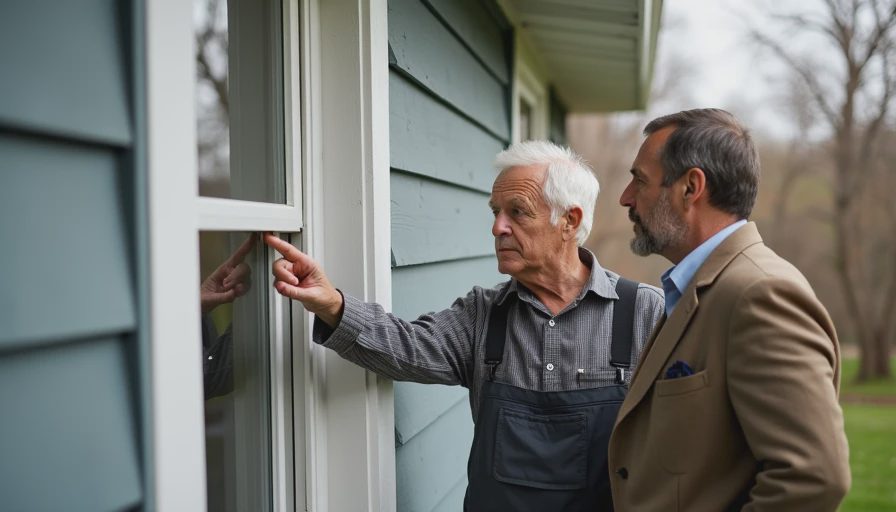
Window work on an older home involves more than removing old units and setting new ones. The condition of the existing frames and rough openings, the way water is managed at the perimeter, and the integration of the new windows with the walls all influence how well the installation performs and how long it lasts. A price quote and a brochure do not automatically cover these topics.
A trustworthy window contractor should be willing to explain the actual conditions on your house and the details of how the work will address them. This article outlines the key subjects you can expect to hear discussed in clear language before you commit.
Explaining the Condition of the Existing Windows and Openings
The starting point is an honest assessment of what is already there.
Frame and sill condition
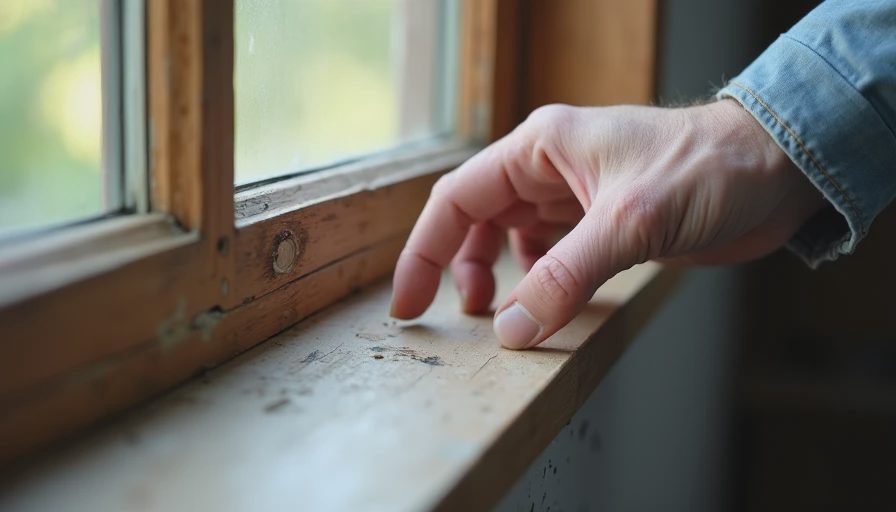
The contractor should be able to describe whether the current frames and sills are still structurally sound, partially soft, or too far gone for repair. Specific observations—soft spots at the sill, open joints, or decay at the lower corners—help you understand why repair is or is not realistic for each opening.
Rough-opening and surrounding materials
Windows sit within a larger wall assembly. A thorough evaluation includes the condition of the rough opening, the presence or absence of existing flashing, and any signs of moisture in the adjacent sheathing or framing. The contractor should explain what was visible and what remains uncertain until the old unit is removed.
Patterns across the house
Rather than treating every window as identical, the contractor should note which openings show similar problems and which are in better condition. This helps prioritize work and avoids a one-size-fits-all recommendation when conditions vary.
Clear descriptions of the existing conditions show that the proposal is based on inspection rather than assumption.
Explaining Water Management and Flashing Details
Water that enters around a window can damage the wall long after the installation looks finished.
How water will be directed out of the wall
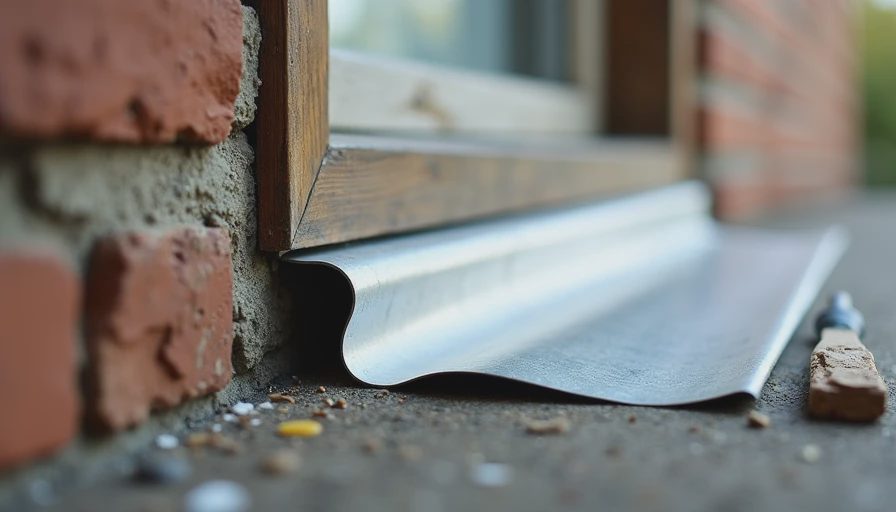
The contractor should be able to describe the flashing approach at the head, sides, and sill of each opening. Details such as head flashing, sill pans or equivalent protection, and the integration of the window with the weather-resistive barrier determine whether water that reaches the opening is directed outward or allowed to move into the wall.
Integration with existing cladding and trim
On older homes the new window must work with the existing siding, brick, or other cladding. The contractor should explain how the new unit will be sealed and flashed so that the transition does not create a new entry path.
What happens to existing failed sealant and gaps
Simply placing a new window into an opening that already has gaps or failed sealant leaves the original water paths intact. The contractor should describe how those conditions will be corrected as part of the installation.
Willingness to discuss these details in plain language is a strong indicator of careful work.
Explaining Installation Methods and Sequence
How the windows are installed affects both performance and the surrounding finishes.
Removal and protection of existing finishes
The contractor should outline how the old units will be removed, what interior and exterior finishes may be disturbed, and how those finishes will be protected or restored. On older homes with plaster, original trim, or delicate cladding, this planning matters.
Shimming, leveling, and securing the new units
Proper installation requires the window to be set plumb, level, and square, with appropriate shimming and fastening. The contractor should be able to describe the method and why it suits the rough openings on your house.
Air sealing and insulation around the frame
Gaps between the new window frame and the rough opening must be sealed against air leakage and, where appropriate, insulated. The contractor should explain the materials and approach that will be used so the installation does not become a new source of drafts.
Exterior and interior finishing
The final appearance and weather resistance depend on the exterior trim, sealant, and any interior casing work. The contractor should clarify what is included and how the finished details will shed water and look consistent with the house.
A clear sequence reduces the chance of surprises once work begins.
Explaining Performance Expectations and Limitations
Realistic performance talk helps set accurate expectations.
What the new windows will and will not solve
New windows can improve comfort, reduce drafts, and lower energy loss at the openings. They do not automatically correct whole-house air leakage, inadequate insulation, or HVAC distribution problems. A trustworthy contractor will distinguish between the benefits of the window work and the issues that lie outside its scope.
Maintenance requirements
Even high-quality windows need periodic inspection of exterior sealant, drainage paths, and operating hardware. The contractor should outline the basic maintenance that helps the installation last.
Warranty coverage and conditions
Manufacturer warranties and workmanship warranties both matter. The contractor should explain what each covers, what is required to keep them valid, and how service requests are handled.
Honest discussion of limitations and responsibilities builds confidence that the proposal is grounded in real performance rather than optimistic claims.
Explaining Scope, Price, and Change Conditions
The written proposal should match the verbal explanations.
What is included and what is not
The contractor should be able to walk through the proposal line by line—number of openings, type of units, flashing and sealing work, finish work, and cleanup—so there is no ambiguity about the scope.
How unknown conditions will be handled
Once old windows are removed, additional soft framing or water damage is sometimes revealed. The contractor should explain how such conditions will be documented, priced, and approved before extra work proceeds.
Timeline and sequencing
On an older home the order of work can affect other trades or the livability of the house. The contractor should provide a realistic sequence and note any dependencies on weather or other projects.
Clarity on these points prevents most mid-project disputes.
Questions You Can Use to Open the Conversation
You do not need specialized knowledge to ask useful questions. Consider starting with:
What specific conditions did you observe in the frames, sills, and surrounding walls?
How will water be directed out of the openings once the new windows are installed?
What steps will be taken to seal the new units against both water and air leakage?
Which problems will the new windows address, and which issues lie outside this scope of work?
How will any additional damage found after removal be handled and priced?
A contractor who answers with reference to your actual openings and who is willing to walk you through the details is more likely to deliver work that fits the house.
What the Explanations Reveal
The willingness to explain condition, water management, installation details, performance limits, and change processes shows that the contractor treats the job as a building-envelope project rather than a simple product swap. On an older home those envelope details determine whether the new windows improve comfort and durability or simply cover over unresolved paths for water and air.
Listen for answers that are specific to your house rather than generic sales language. Take notes and compare them with the written proposal. When the two align and the explanations address the topics above, you have a stronger basis for deciding whether the contractor and the scope are the right fit.
Older windows and the walls around them often hide conditions that only become fully visible once work starts. A trustworthy window contractor anticipates those conditions, explains how they will be handled, and sets expectations that match the realities of an aging house. Asking for those explanations before you sign is one of the most effective ways to protect both the project and the home.