
If you are asking when is it time to replace windows, your house is probably already giving you clues. You may feel a cold draft near the sill, see peeling paint around a frame, or notice that one room is always harder to heat than the rest. In an older home, those symptoms can point to a window problem, but they can also come from failing flashing, poor insulation, roof leaks, or moisture trapped inside the wall. The goal is to fix the real problem, not just the visible one.
Start with the warning signs
The clearest reason to consider replacement is a window that no longer performs its basic jobs: keeping weather out, opening safely, closing tightly, and maintaining a reasonable indoor temperature. A window that rattles in the wind, admits water, or has a sash that will not stay open deserves attention.
Look closely at the frame and surrounding trim. Soft wood, dark staining, bubbling paint, and a musty smell can indicate rot. Small areas of damage may be repairable, especially on a solid wood window. Widespread rot, a sagging frame, or repeated paint failure usually means the underlying moisture problem is continuing.
Failed insulated-glass seals create another common clue. Fog or droplets between double-pane glass cannot be wiped away because the insulating seal has broken. The window might still operate, but its energy performance and appearance are compromised. Replacing the glass unit can sometimes solve that problem without replacing the entire frame.
When is it time to replace windows rather than repair them? Replacement becomes more convincing when several symptoms appear together, repairs have already failed, or the frame itself is distorted.

Repair or replacement: make the distinction
Repair is often the better choice for historic wood windows with sound frames. Reglazing, replacing a sash cord, adding weatherstripping, repairing a sill, or repainting correctly can extend the life of a well-built window for many years. A skilled carpenter may restore a window for a few hundred dollars, depending on access and damage.
Replacement makes more sense when the frame is rotten, the opening leaks after proper flashing repairs, or the window is painted shut and unsafe to operate. Vinyl, fiberglass, and wood-clad replacement windows can improve comfort, but installation quality matters more than the brochure’s efficiency claims. A poor installation can leave gaps around the frame and create water paths behind the siding.
Do not assume condensation automatically means you need new windows. Condensation on the room-side glass often reflects high indoor humidity, weak ventilation, or a cold surface. Condensation between panes points to a failed seal. Condensation on exterior glass can actually occur when an efficient window keeps the indoor heat from warming the outside pane.
A trustworthy local contractor should be able to explain which type you have and show where the moisture is entering.
How much do replacement windows cost?
Window replacement prices vary widely with size, material, access, glass package, and interior or exterior trim work. A basic vinyl replacement window may cost roughly $500 to $1,200 installed. Larger openings, custom sizes, fiberglass units, wood windows, historic detailing, and difficult second-story access can push the price to $1,500 or more per opening.
A whole-house project can therefore range from several thousand dollars to well over $20,000. That number is not automatically unreasonable, but the proposal should explain what it includes. Ask whether the price covers disposal, insulation around the frame, flashing, exterior capping, interior trim, permits, and cleanup.
When is it time to replace windows based on cost? Compare the price of repeated repairs with the condition of the surrounding wall. Spending $300 to repair a sound window can be sensible. Spending that amount every year while water continues entering a rotten opening is not a durable plan.
Energy savings should not be the only reason to buy new windows. The payback period can be long, particularly if your old windows are drafty because of removable storm windows, missing weatherstripping, or air leaks around the trim rather than through the glass itself.
Check the wall before ordering windows
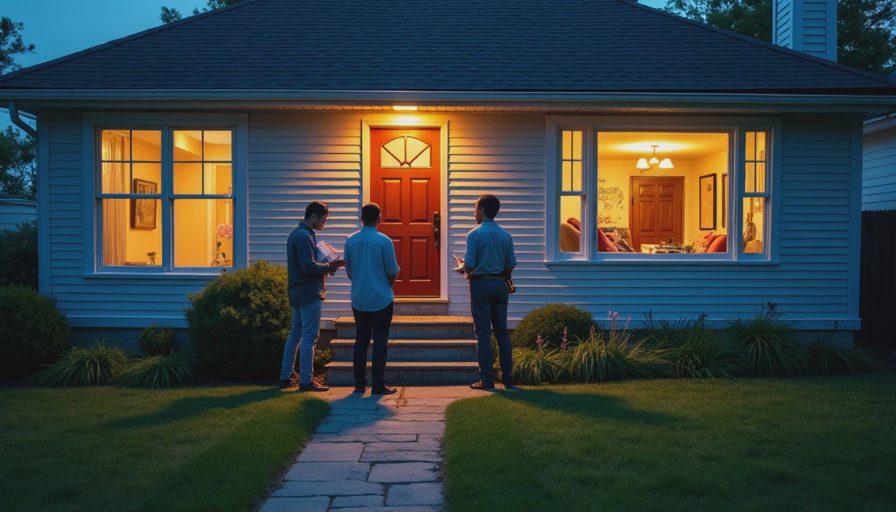
Old houses often hide the real cause of a window complaint. Water may be entering above the window through failed flashing, cracked siding, deteriorated caulk, or a gutter that dumps onto the wall. Replacing the window without correcting that path can damage the new unit and the framing around it.
Inspect the head flashing, side trim, sill, and nearby siding. Look for staining below the window, swollen boards, loose mortar, or paint that fails in a narrow vertical strip. Inside, check the drywall corners and baseboard beneath the opening. A moisture meter can help a professional identify whether the framing is currently wet, although it does not replace a careful visual inspection.
Air leakage deserves a similar investigation. On a windy day, move a smoke pencil or thin tissue around the sash, meeting rails, trim, and sill. Do not use an open flame. If air moves around the casing, sealing the rough opening may provide more benefit than changing the glass.
When is it time to replace windows after this inspection? Choose replacement when the complete assembly is worn out, not merely because a sales representative points to an old pane.
Questions to ask a window contractor
Get at least two detailed estimates, and ask each contractor to describe the installation method. Replacement windows installed inside the existing frame are less disruptive, but they can reduce glass area and leave hidden frame damage unaddressed. A full-frame installation exposes more of the opening and allows repairs, but it often costs more and requires additional trim work.
Ask who will perform the work, how the opening will be flashed, how the contractor will insulate around the unit, and how interior damage will be handled. Request product specifications for the frame, glass, hardware, and warranty. A reputable installer should not object to explaining these items in plain English.
Be cautious with a quote that covers a whole house after a five-minute visit. The contractor should measure each opening, inspect trim and siding, identify safety concerns, and discuss ventilation and moisture. Old homes rarely have perfectly uniform openings, so identical pricing for every window deserves questions.
A practical replacement checklist
Before signing a contract, walk through this sequence:
- List the windows with drafts, leaks, broken seals, rot, or safety problems.
- Separate cosmetic issues from active water damage and structural concerns.
- Check gutters, siding, roof flashing, and interior humidity near problem windows.
- Price targeted repairs for windows with solid frames.
- Compare full-frame and insert replacement options for severely deteriorated openings.
- Read the estimate for flashing, insulation, trim, disposal, permits, and cleanup.
- Confirm the payment schedule, warranty terms, start date, and change-order process.
When is it time to replace windows across the whole house? Usually, it is when many units share the same failures, repairs are no longer economical, or you are already planning exterior work that makes access efficient. Otherwise, phased replacement can be more practical. Start with windows over living spaces, bedrooms with severe drafts, and openings with active leaks or rot.
Older homes usually give warning signs before they give you a bill. Pay attention to moisture, movement, failed seals, and unsafe operation. When is it time to replace windows? The answer is not simply an age number. It is when repair cannot restore a sound, dry, operable opening at a sensible cost. Know what matters first, document the symptoms, and choose a contractor who can explain the entire wall assembly before recommending a sale.